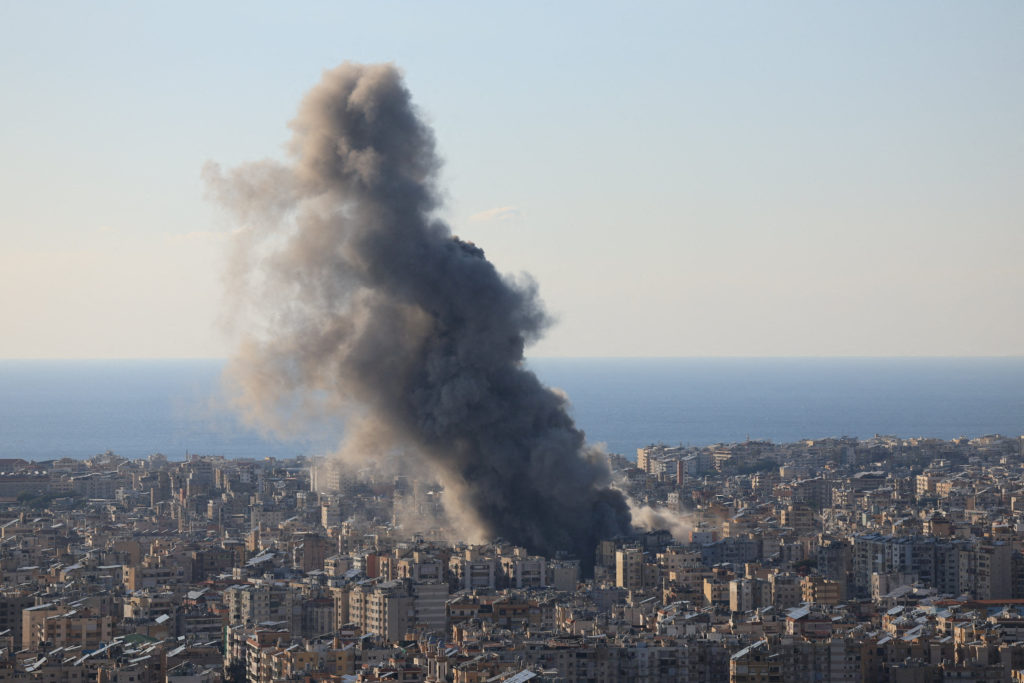
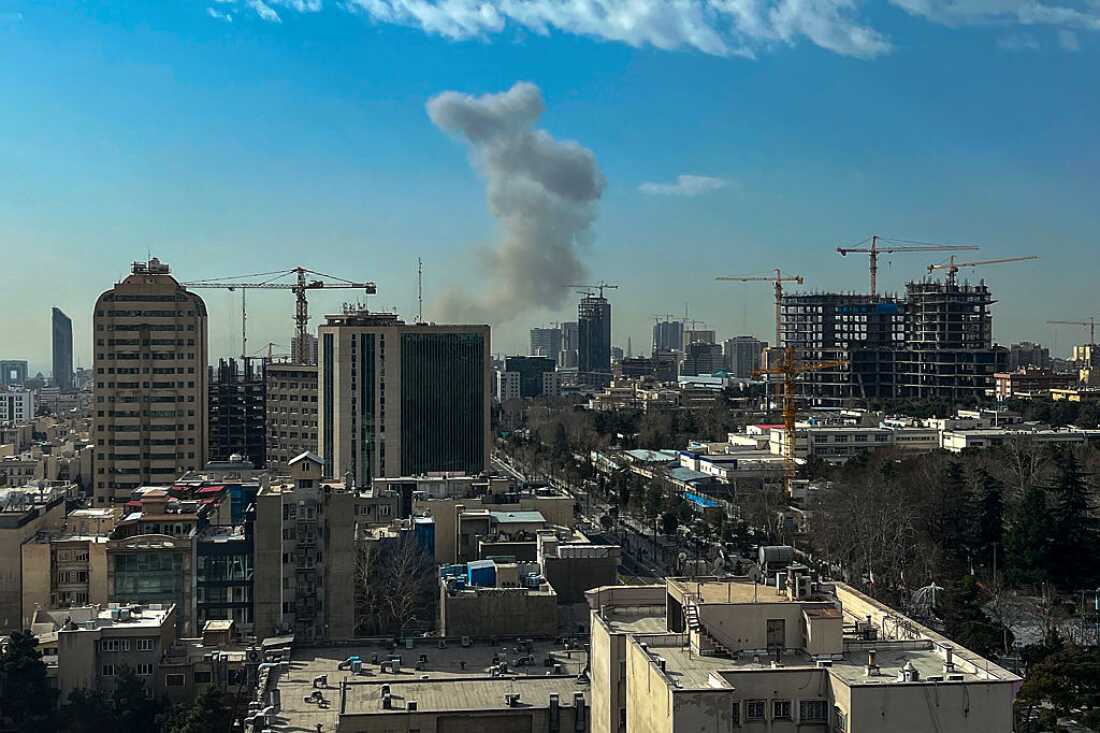
The ongoing conflict between the United States and Iran has captured global attention, not only because of the immediate military actions but also due to its potential to reshape regional geopolitics and affect global economic stability. What started as targeted military operations has now escalated into a wider confrontation, involving multiple countries and prompting urgent discussions about security, diplomacy, and international law.
The Origins of the Conflict
The current escalation can be traced to a series of coordinated strikes by the U.S. and Israel against Iran. These operations targeted high-ranking military officials and strategic military sites. While the immediate goal was to neutralize perceived threats, the strikes have triggered widespread retaliation from Iran and its allied militias in the region.
Key Drivers
Several factors contributed to the outbreak of hostilities:
-
Geopolitical Tensions: Iran’s nuclear ambitions and regional influence have long been a source of tension with the United States and its allies.
-
Military Provocations: U.S. and Israeli strikes aimed at curbing Iranian power have been met with missile and drone attacks across multiple countries.
-
Regional Alliances: Iran’s connections with groups like Hezbollah and its support for proxy forces in Lebanon, Iraq, and Yemen have amplified the scope of the conflict.
The result is a complex battlefield spanning Israel, Lebanon, the Gulf states, and Iraq, raising fears of a wider regional war.
The Human Cost: U.S. and Allied Casualties
The human toll of the conflict has been significant. Six U.S. service members have been confirmed dead, and several others have been injured due to Iranian missile and drone strikes targeting U.S. forces stationed in Kuwait and other parts of the Middle East.
Incidents in the Air
One of the most alarming developments was a friendly-fire incident in which Kuwaiti air defenses mistakenly shot down three U.S. F‑15 fighter jets. Fortunately, all six aircrew members ejected safely and were recovered. This incident underscores the chaotic and high-risk environment in which military forces are operating.
Broader Impact on Civilians
Iran’s retaliatory strikes have also affected civilian populations in Israel, Saudi Arabia, and other Gulf states. Reports indicate casualties and damage to infrastructure, including residential buildings, airports, and power facilities. Such attacks highlight the vulnerability of non-combatants in modern conflicts and the urgent need for international monitoring and humanitarian assistance.
Regional Dynamics
The U.S.–Iran conflict is not limited to direct confrontations between the two countries. The involvement of allied forces and regional militias has significantly widened the scope of the war.
Israel and Hezbollah
Hezbollah, an Iranian-aligned militia based in Lebanon, has launched rocket and drone attacks on Israel. In response, Israel has conducted strikes in southern Lebanon. This escalation threatens to draw Lebanon more directly into the conflict and risks destabilizing the already fragile political and security situation in the country.
Gulf States
Countries such as Saudi Arabia, Kuwait, Qatar, and the United Arab Emirates have faced missile and drone attacks attributed to Iran. These attacks have resulted in both human casualties and economic disruptions. The targeting of strategic assets and infrastructure indicates a calculated effort to pressure U.S. allies in the region and demonstrate Iran’s reach.
Strait of Hormuz and Global Energy Markets
One of the most significant strategic consequences of this conflict is its impact on the Strait of Hormuz, a critical chokepoint for global oil shipments. Disruptions here could affect international oil prices, influence global energy markets, and increase uncertainty for countries reliant on Middle Eastern oil.
International Response
Other nations are closely monitoring the situation, particularly those dependent on stable oil exports from the Middle East. Diplomatic channels are being explored, but the high-stakes environment and rapid escalation make immediate resolution challenging.
Potential Future Scenarios
The trajectory of the conflict remains uncertain, but several possible outcomes can be anticipated:
-
Extended Military Engagement: If hostilities continue, both Iran and U.S.-allied forces may increase operations, potentially drawing more regional actors into the conflict.
-
Economic Disruptions: Prolonged instability could significantly affect global energy markets, leading to rising fuel prices and potential supply shortages.
-
Political Negotiations: There may be renewed calls for diplomacy and third-party mediation, particularly if the conflict threatens broader international security.
-
Humanitarian Challenges: Civilian casualties and displacement could rise, creating urgent humanitarian needs in affected areas.
The Global Implications
This conflict is not merely a regional issue; it has implications for international law, diplomacy, and global security. Nations worldwide are monitoring the situation closely, considering both the economic and strategic consequences. The escalation demonstrates how modern conflicts can rapidly extend beyond borders, affecting trade, energy, and regional stability.
Conclusion
The U.S.–Iran conflict represents one of the most serious geopolitical crises in recent years. With multiple countries involved, high military and civilian casualties, and far-reaching economic and strategic consequences, the situation demands careful analysis and responsible reporting.
Staying informed through reliable sources and understanding the broader implications of the conflict is essential for anyone interested in global affairs. While military developments continue, the long-term solution likely lies in diplomacy, regional cooperation, and measures that prioritize human safety and international stability.
This conflict serves as a reminder of how quickly localized tensions can escalate into a broader international crisis, affecting millions of lives and reshaping the geopolitical landscape.
Authoritative News Sources
-
PBS NewsHour – Live updates & detailed coverage of the widening U.S.–Israel–Iran conflict
https://www.pbs.org/newshour/world/live-updates-u-s-israel-conflict-with-iran-widens -
PBS News – In‑depth report on where things stand as the conflict expands
https://www.pbs.org/newshour/world/where-things-stand-as-u-s-israeli-attacks-on-iran-widen -
Reuters – Netanyahu says the war with Iran won’t last for years
https://www.reuters.com/world/middle-east/netanyahu-says-us-israel-war-iran-not-going-take-years-2026-03-03/ -
Reuters – U.S. orders some diplomatic staff to leave the Middle East as tensions escalate
https://www.reuters.com/world/middle-east/us-orders-non-emergency-staff-leave-bahrain-iraq-jordan-2026-03-03/ -
The Guardian – Expanded Middle East war overview (regional context)
https://www.theguardian.com/world/2026/mar/02/us-israel-war-on-iran-dramatically-expands-across-middle-east