
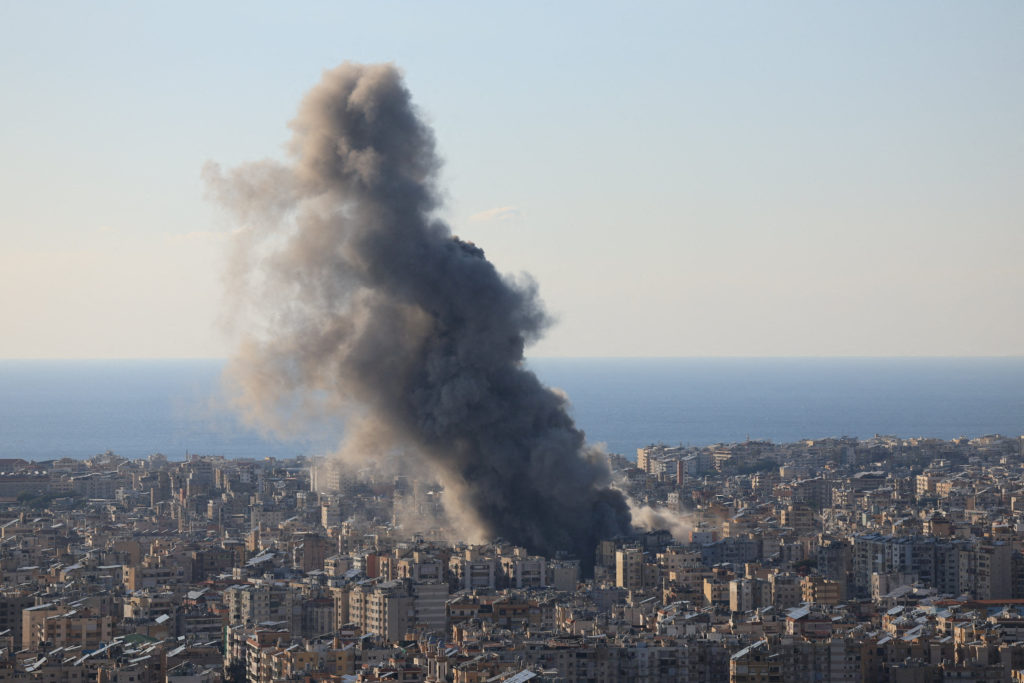
The recent escalation of tensions involving Iran has drawn widespread international attention. Reports of military strikes, casualties in Tehran, and strong political reactions from global leaders have raised concerns about the stability of the region. Conflicts in the Middle East often have far-reaching consequences, not only for the countries directly involved but also for global security, diplomacy, and economic stability.
This article provides a clear and balanced overview of the current situation, focusing on the latest developments, the impact on civilians, international reactions, and the broader implications of the conflict.
Recent Developments in Tehran
Recent reports indicate that Tehran experienced significant attacks during the latest escalation of the conflict. According to available information, at least 40 people were killed in the city following overnight strikes. These incidents have intensified concerns about civilian safety and the possibility of further military actions.
Urban areas are particularly vulnerable during conflicts because they contain large populations and essential infrastructure such as hospitals, schools, transportation systems, and communication networks. Damage in these areas can affect millions of residents and disrupt everyday life.
The situation in Tehran has become a major focus for international observers as governments and organizations closely monitor the developments.
Political Statements and Reactions
Global political leaders have reacted quickly to the situation. Former U.S. President Donald Trump stated that the conflict could end soon and suggested that the military actions might reach their objectives in a relatively short period.
However, Iranian authorities have indicated that they will continue to respond to any actions against their territory. Such statements reflect the ongoing tension between the parties involved and highlight the uncertainty surrounding the duration of the conflict.
Political messaging during conflicts is often intended to communicate strength and determination while also influencing diplomatic discussions and public opinion.
Civilian Impact and Humanitarian Concerns
One of the most serious aspects of the current situation is its impact on civilians. Reports of casualties in Tehran underline the human cost of the conflict. When fighting occurs in or near populated areas, ordinary citizens are often the most affected.
Conflicts can lead to several humanitarian challenges, including:
- Injuries and loss of life among civilians
- Damage to homes and infrastructure
- Disruptions to essential services such as electricity and water
- Increased stress and uncertainty among local populations
Humanitarian organizations typically emphasize the importance of protecting civilians and ensuring access to emergency assistance during crises.
Rising Regional Tensions
The recent events have also increased tensions across the wider Middle East. When conflicts involve major regional powers, neighboring countries often become concerned about potential spillover effects.
Military actions and strong political statements can sometimes lead to a cycle of retaliation. This is why many international observers stress the importance of diplomacy and communication between governments.
Preventing further escalation is considered crucial for maintaining stability in the region.
International Attention and Monitoring
The developments in Iran have attracted significant international attention. Governments, analysts, and global organizations are closely following the situation to understand its potential implications.
News updates and live reports have become an important way for people around the world to stay informed about what is happening. Accurate reporting is essential during such events because it helps the public understand the facts and avoid misinformation.
The international community generally encourages dialogue and peaceful solutions to prevent further violence.
The Importance of Stability
The Middle East is a region with major political and economic importance. Any escalation of conflict can influence international relations and global markets.
Maintaining stability in the region is therefore a key priority for many countries. Diplomatic engagement, international cooperation, and careful monitoring are often used to reduce tensions and avoid wider conflict.
Conclusion
The recent escalation involving Iran and reported attacks in Tehran have raised serious concerns about regional security and civilian safety. With at least 40 people reported killed, the situation has drawn strong reactions from political leaders and international observers.
Statements from global figures suggest differing perspectives on how the conflict may develop, while Iranian authorities have emphasized their determination to respond to actions against their country.
As the situation continues to evolve, the focus remains on preventing further escalation and protecting civilians. The international community continues to monitor developments closely while emphasizing the importance of stability and peaceful resolution.

