
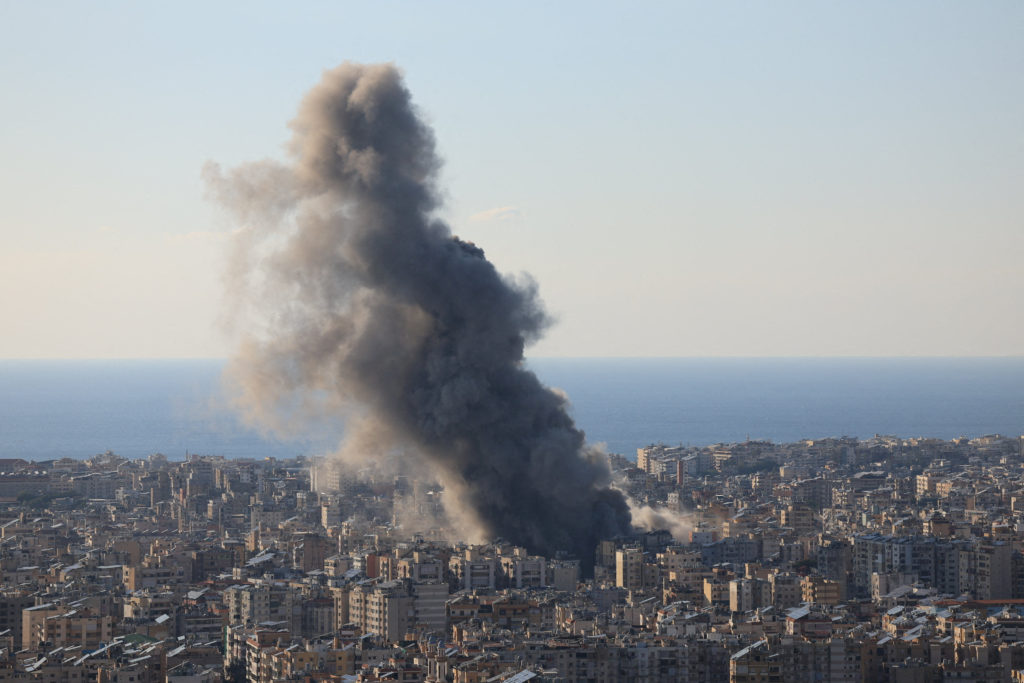
The geopolitical landscape of the Middle East has been dramatically reshaped in the last few days as military conflict between the United States, Israel, and Iran continues to escalate. What began as targeted operations has now expanded into a multi-faceted confrontation, with consequences that extend far beyond the immediate combat zones. This blog examines the ongoing situation, the military developments, regional and global implications, and the human and strategic dimensions of the crisis.
Background: The Origins of the Current Conflict
Tensions between Iran, the United States, and Israel have a long history, with disputes over nuclear programs, regional influence, and military operations. The latest flare-up began when the U.S. and Israel conducted a series of precise military strikes within Iran. These operations targeted key military installations, including missile sites and command centers, as part of a broader strategy to curb Iran’s ability to project military power.
Iran responded swiftly and decisively. Retaliatory strikes were launched across the Gulf region, signaling that Iran was prepared to escalate the conflict in defense of its sovereignty and military assets. The nature of the attacks — involving ballistic missiles, drones, and threats to strategic infrastructure — demonstrated Tehran’s intent to project power and send a warning to both regional and global actors.
Day Four: Intensifying Military Operations
As the conflict entered its fourth day, several developments highlighted the increasing intensity and complexity of the confrontation.
-
U.S. President Donald Trump announced that there is no fixed timeline for the ongoing military operations, emphasizing that the United States has the capacity to continue its campaign for as long as necessary. His statements reinforced the U.S.’s commitment to maintaining regional stability and ensuring that Iran’s military capabilities are contained.
-
Iran’s counterattacks have included ballistic missile and drone strikes targeting multiple Gulf countries, including the United Arab Emirates, Qatar, Bahrain, Kuwait, and Oman. These operations have primarily focused on military installations but have also threatened critical infrastructure, including ports and industrial facilities.
-
Casualties have been reported among both military personnel and civilians, reflecting the indiscriminate risk of modern warfare. The Pentagon confirmed that U.S. forces have suffered losses, underscoring the conflict’s immediate human cost.
Regional Impacts and Defense Responses
The Gulf region has become an active theater of military operations. Several countries hosting U.S. military bases have had to respond to the unfolding threats.
-
Gulf states have activated advanced air defense systems to intercept incoming missiles and drones.
-
These nations have emphasized that they are not active participants in the conflict but are prepared to defend their sovereignty and populations.
-
The presence of U.S. forces in these countries has created a delicate diplomatic balance. While the bases serve as strategic assets for American operations, local governments must carefully navigate their own security priorities.
These measures have helped mitigate the scale of destruction but have not eliminated the threat. The risk of miscalculation or accidental engagement remains high due to the complex proximity of multiple armed forces operating in the region.
Human and Economic Consequences
Beyond military outcomes, the conflict has triggered significant humanitarian and economic concerns.
-
Humanitarian Impact: Civilians in Iran, Israel, and Gulf countries have been affected directly and indirectly by the ongoing operations. Casualties, injuries, and psychological trauma are significant, while thousands are displaced due to instability in affected areas. International organizations have called for restraint to prevent further civilian suffering.
-
Economic Impact: The Gulf region is a crucial hub for global energy supply. Disruption to oil production facilities and shipping routes, particularly the strategic Strait of Hormuz, has contributed to volatility in global oil prices. Any prolonged closure or disruption could have far-reaching effects on global energy markets.
Wider Geopolitical Implications
The ongoing conflict is not just a localized issue; it has implications for regional and global security.
-
The involvement of multiple nations in the Middle East has increased the risk of a wider war. Proxy groups aligned with Iran are now engaged in border areas such as southern Lebanon, further complicating the security environment.
-
International reactions have varied. Some governments have criticized the operations as disproportionate, while others have supported U.S. and Israeli actions as necessary measures to contain Iranian aggression.
-
Diplomatic channels remain active, but the speed and intensity of military operations have narrowed the window for negotiation and peaceful resolution.
The situation demonstrates the delicate balance of power in the Middle East, where military, political, and economic factors are deeply intertwined. Any misstep or escalation could trigger broader consequences that extend far beyond the immediate region.
Strategic Outlook
Analysts warn that the conflict may continue to escalate if either side perceives strategic gains or threats. Key risks include:
-
Further Missile and Drone Strikes: Iran’s capability to target multiple nations simultaneously could prolong hostilities.
-
Regional Spillover: Neighboring countries could become directly involved, intentionally or inadvertently.
-
Global Economic Effects: Disruption of oil supply routes and energy infrastructure could have worldwide consequences.
Despite these risks, both the United States and Israel maintain that their operations are defensive in nature and necessary to secure regional stability. Iran continues to assert its right to defend its sovereignty while demonstrating its regional influence through coordinated military strikes.
Conclusion
The U.S.–Israel–Iran conflict represents a complex and rapidly evolving situation with significant consequences for human life, regional stability, and global markets. While military operations continue, the humanitarian, economic, and geopolitical stakes remain high.
For ordinary citizens in affected regions, the conflict underscores the importance of safety measures, staying informed, and understanding that the situation could evolve rapidly. For the international community, the ongoing escalation serves as a reminder of the fragile balance of peace in the Middle East and the importance of diplomatic engagement.
As of now, there is no clear end in sight, and the world watches closely to see whether a prolonged conflict will unfold or if diplomatic channels can intervene before the crisis deepens further.
References for Further Reading
-
CBS News – Live Updates on U.S.–Israel War with Iran
-
Al Jazeera – Middle East Conflict Coverage and Humanitarian Impacts

