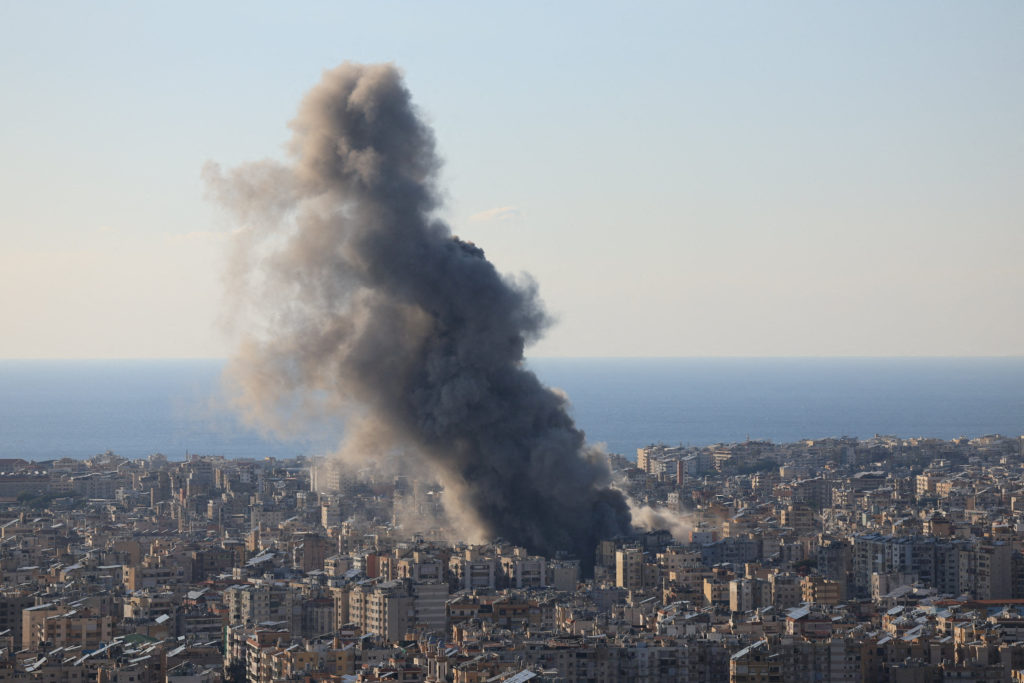
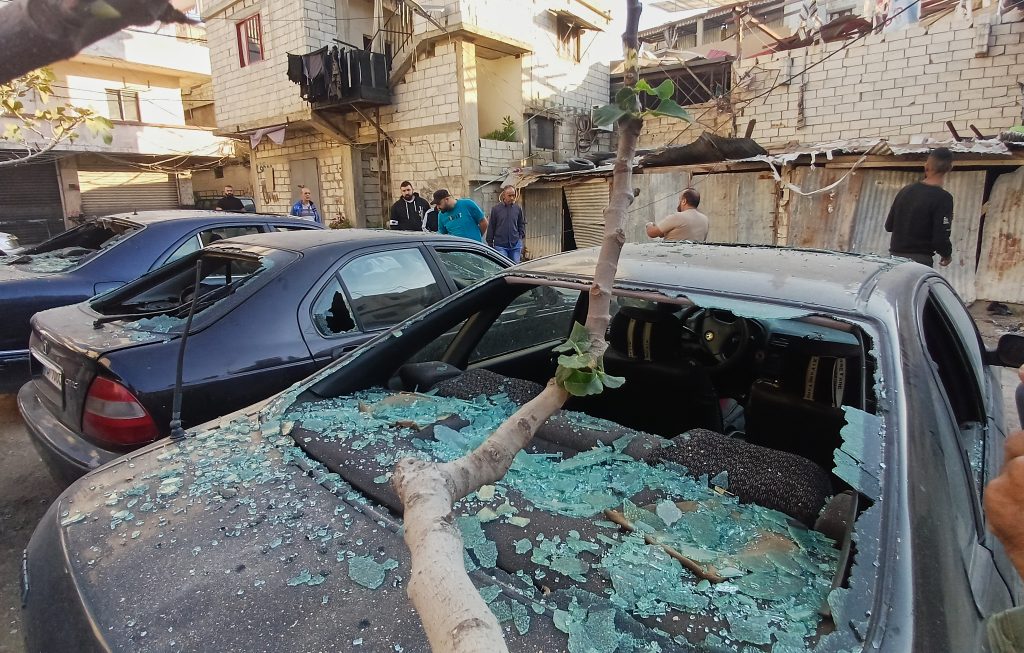
The evening of November 18, 2025, marked one of the deadliest incidents in southern Lebanon in recent years. A powerful drone strike hit the Ein el-Hilweh Palestinian refugee camp near Sidon, killing multiple people and injuring many others. The attack struck close to a mosque where families and community members had gathered, turning an otherwise ordinary night into a scene of devastation and grief.
Although the region has witnessed conflict for decades, the scale and location of this strike have reignited discussions on civilian protection, rules of war, and the fragile political balance between armed groups and states in the Middle East. This blog aims to provide a clear, comprehensive, and responsible overview of what happened, why it matters, and what the broader consequences could be.
What Happened at Ein el-Hilweh?
Witnesses and local officials reported that the strike targeted a vehicle parked outside a mosque within the refugee camp. Ein el-Hilweh is the largest and most densely populated Palestinian refugee settlement in Lebanon, home to tens of thousands of people living in crowded urban conditions. Any attack in such an environment carries an extremely high risk of civilian casualties.
Emergency services responded quickly, transporting the wounded to nearby hospitals as residents attempted to assist first responders. Community members described scenes of panic, with many searching for missing relatives amid the debris. The attack not only resulted in loss of life but also created shock waves throughout the camp, raising fears of further violence.
The strike came at a time when tensions in the region had already been simmering due to intermittent cross-border hostilities. Despite previous ceasefires and diplomatic efforts, isolated incidents have continued, underscoring the persistent instability along the Lebanon-Israel border.
Israel’s Statement and Its Implications
Israeli authorities stated that the strike targeted what they described as a training location used by armed militants. According to this version of events, the operation was intended to eliminate individuals involved in planning hostile activities.
Claims such as these, whether from states or armed groups, are common in conflict zones. However, when an attack occurs in the heart of a refugee camp, questions immediately arise about the accuracy of intelligence, the assessment of risk, and whether sufficient precautions were taken to avoid civilian casualties. Even if a target is considered legitimate, international humanitarian law requires that attacks be proportionate and that harm to civilians be minimized as much as possible.
The use of drones adds another layer to this discussion. Drones are often praised for their precision, yet when used in urban, crowded, or displaced communities, the consequences can still be catastrophic.
Hamas’s Response and the Conflicting Narratives
Hamas, which maintains a presence in parts of Lebanon, denied the claim that the targeted location was a military site. They stated that the area hit by the strike served civilian purposes, including a sports field and gathering place for residents. Such disputes between opposing sides are not unusual, but they highlight the difficulty of verifying claims in conflict settings.
These conflicting narratives feed into a broader pattern seen across many global conflicts: one side asserts military necessity, while the other accuses it of attacking civilians. Without transparent investigations, the truth remains obscured, and accountability becomes more difficult to achieve.
Humanitarian Impact
The human cost of this attack cannot be overstated. Refugee camps like Ein el-Hilweh already face numerous challenges—limited infrastructure, overcrowding, unemployment, and inadequate access to essential services. Many residents have lived through generations of displacement, carrying the burden of trauma and instability.
For families in Ein el-Hilweh, this latest strike adds yet another layer of suffering. Children are particularly vulnerable, not only to physical harm but also to long-term emotional and psychological effects. Humanitarian organizations working in the region often emphasize how conflict disrupts education, healthcare, and social stability—three pillars essential for rebuilding lives and communities.
The attack also places pressure on local hospitals and medical workers, many of whom operate with limited resources. In crisis situations like this, shortages of supplies, beds, and trained staff can worsen outcomes for the injured.
Legal and Ethical Considerations
International humanitarian law, specifically the Geneva Conventions, sets clear rules for conduct during armed conflict. One of the most important principles is the distinction between civilians and combatants. Another is proportionality: military operations must not cause excessive harm to civilians compared to the expected military gain.
The Ein el-Hilweh strike raises several legal questions:
1. Was the target clearly identified?
If there was uncertainty about whether the location was a civilian area or a military site, the attack may not meet legal standards.
2. Could civilian harm have been avoided?
Even when a target is valid, states must choose methods and weapons that reduce the risk to civilians.
3. Was the attack proportionate?
If the objective could have been achieved through other means with less risk to civilian life, the proportionality requirement may not have been met.
4. Should independent investigation be required?
Given the severity of the casualties, a transparent inquiry would help establish facts and ensure accountability.
Ethically, the attack raises broader debates about drone warfare, urban targeting, and the responsibilities of states operating near refugee populations.
Political and Regional Consequences
This strike comes at a sensitive time for Lebanon. The country continues to face political instability, economic crisis, and strained relations among different factions. An attack of this magnitude risks escalating tensions between armed groups and regional powers.
Some analysts believe that such incidents could undermine ongoing diplomatic efforts aimed at maintaining calm along the border. When strikes of this nature occur, they can provoke retaliation, lead to broader clashes, or hinder negotiations already underway.
In addition, Lebanon’s internal dynamics may be affected. The government faces pressure to respond politically or diplomatically, while communities in the south fear additional strikes.
The Path Forward
To prevent further tragedy and support long-term stability, several steps are essential:
1. Transparent Investigation
Independent assessments can help clarify what happened and provide accountability.
2. Enhanced Civilian Protection Measures
All actors in the region must prioritize the safety of civilians, especially in densely populated areas.
3. Diplomatic De-escalation
Regional and international stakeholders should work to reduce tensions and reinforce ceasefire arrangements.
4. Support for Affected Families
Medical, psychological, and humanitarian support is urgently needed for survivors and displaced residents.
5. Strengthening International Law Compliance
Reaffirming global standards and ensuring that all parties respect international humanitarian obligations is vital for long-term peace.
Conclusion
The deadly drone strike on the Ein el-Hilweh refugee camp is a stark reminder of the fragile nature of security in conflict-affected regions. Beyond the headlines, it represents a profound human tragedy, raising serious questions about legality, ethics, and civilian protection. As the world watches, the need for accountability, compassion, and diplomatic restraint has never been more urgent.