
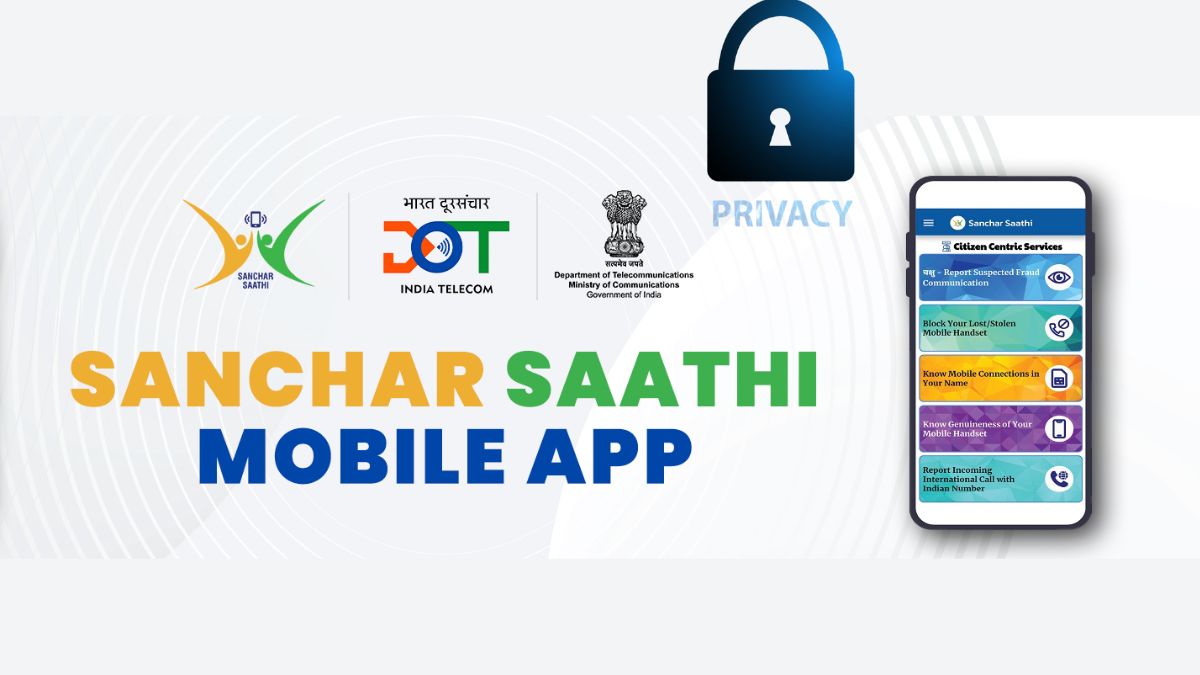
In late 2025, a major digital policy move in India caught the world’s attention: a directive asking smartphone manufacturers to pre-install a government-developed mobile safety application on all new devices sold in the country. Within days, the order became the centre of a heated national conversation, raising questions about personal privacy, data security, state authority, and the growing threat of cybercrime. The intense public reaction eventually pushed the government to roll back the requirement, but the episode left behind valuable lessons about today’s digital world and its vulnerabilities.
This blog explores what happened, why the debate was so intense, and how cybercrime plays a crucial role in shaping these discussions—especially in a country where millions of new users enter the digital world every year.
The Motivation Behind the Order
India has witnessed an exponential rise in digital services: mobile payments, online identification, e-governance portals, banking apps, and education tools have become part of daily life. However, this expansion also created a parallel rise in digital crimes. Fraudulent calls, cloned phones, identity theft, and SIM-card misuse have grown into persistent threats. Many cases involve criminals replicating a phone’s unique identification number, using it to commit fraud, and leaving innocent consumers to deal with the consequences.
The government’s push for a mandatory safety app was, at least on paper, designed to combat these issues. The idea was to provide a built-in tool to verify phone authenticity, track lost or stolen devices, and block fraudulent activity. According to officials, this would strengthen national cyber safety, protect consumers, and streamline reporting in case of device theft.
Given the frequency of scams and the technological gap many first-time smartphone users face, the intention was to offer defensive digital protection—a sort of shield that every device would automatically have.
Why Users and Tech Companies Raised Concerns
Despite the stated intentions, the directive sparked a wave of criticism. Cybersecurity experts, digital rights organizations, and everyday users worried that a government-managed app deeply embedded into every device could open doors to excessive monitoring or data extraction. Even if such monitoring was not part of the app’s existing design, the possibility itself raised alarms.
The concerns revolved around several points:
1. Mandatory installation felt intrusive
People wanted control over what runs on their personal devices. Making an app permanent and non-removable felt like an overreach.
2. Potential for misuse
Any centralized tool—especially one tied to identity and device data—could theoretically be abused by malicious actors or misused by authorities.
3. Lack of transparency
Users wanted clarity on what data the app collects, how it is stored, and who has access to it. Without full transparency, trust was difficult to build.
4. Precedent for future digital control
Critics feared that if one mandatory app was accepted, similar requirements could follow.
While the government maintained that the app was safe and focused on cyber-protection, the backlash grew large enough that the requirement was eventually withdrawn.
The Role of Cybercrime in Driving These Policies
Understanding the controversy requires understanding the digital threats India currently faces. Cybercrime has become more sophisticated, more coordinated and more accessible to criminals than ever before. Several trends play a key role:
1. Phone identity cloning and IMEI fraud
Cybercriminals duplicate the unique identification numbers of mobile devices and use cloned phones for illegal activities—ranging from financial scams to untraceable communications.
2. SIM swapping and identity hijacking
Criminals are increasingly targeting telecom networks to hijack SIM cards and gain access to bank accounts, social media, and digital wallets.
3. Social engineering scams
From fake customer-care calls to phishing attempts disguised as official messages, fraudsters exploit trust more than technology.
4. Stolen phones as gateways
Lost or stolen devices often contain banking apps, saved credentials, and sensitive data. Criminals know that even a few minutes of access is enough to compromise accounts.
5. Expansion of digital finance
With more people using online payments, criminals have more targets—and more creative methods to deceive them.
It is in this landscape of rising cybercrime that governments feel compelled to introduce protective measures. The intention behind India’s app mandate stemmed from the real need to protect millions of consumers from digital threats. But the challenge lies in balancing security with personal freedom—a balance that every modern nation is struggling to maintain.
Why the Government Backtracked
Public pressure played a major role. Many Indians voiced discomfort with a default, non-removable government app. Critics emphasized that cybersecurity tools should empower users, not compel them. Tech companies also expressed practical difficulties: every smartphone brand would have to adjust its systems, redesign interfaces, and potentially open devices to new vulnerabilities.
To maintain trust in the digital ecosystem, the government ultimately modified its directive. The app would no longer be mandatory or permanently embedded. Instead, users would be free to install or uninstall it as they choose.
Interestingly, the reversal highlights an important point: even when security measures are well-intended, they must align with public expectations, transparency standards, and digital rights.
The Bigger Picture: What This Episode Teaches Us
This incident is more than just a policy misstep. It underscores deeper questions:
-
How can governments protect citizens from cybercriminals without overstepping personal privacy?
-
How much authority should the state have over personal digital devices?
-
Should cybersecurity be addressed through mandatory tools—or through education, transparency, and optional protection?
In a world where every smartphone is a gateway to identity, finance, communication, and personal life, trust is the foundation. Security tools must strengthen that trust, not undermine it.
Final Thoughts
Cybercrime is a growing, evolving threat, and governments everywhere are searching for solutions. India’s attempt to enforce a universal safety app reflects that urgency. But the strong reaction against it shows that citizens want protection that respects autonomy and privacy.
Going forward, the conversation must continue—not only about apps and regulations but about building a digital environment where safety and freedom can coexist. Because in the end, cybersecurity works best when people trust the systems created to protect them.