
The ongoing conflict between Ukraine and Russia continues to make headlines as hostilities escalate, not only along the front lines in Ukraine but also deep within Russian territory. A recent drone strike in the southern Rostov region of Russia has drawn international attention due to its casualties and the broader implications for the conflict. The strike coincided with critical discussions in the European Union about financial support for Ukraine, highlighting the intersection of military action and geopolitical decision-making.
The Rostov Drone Strike
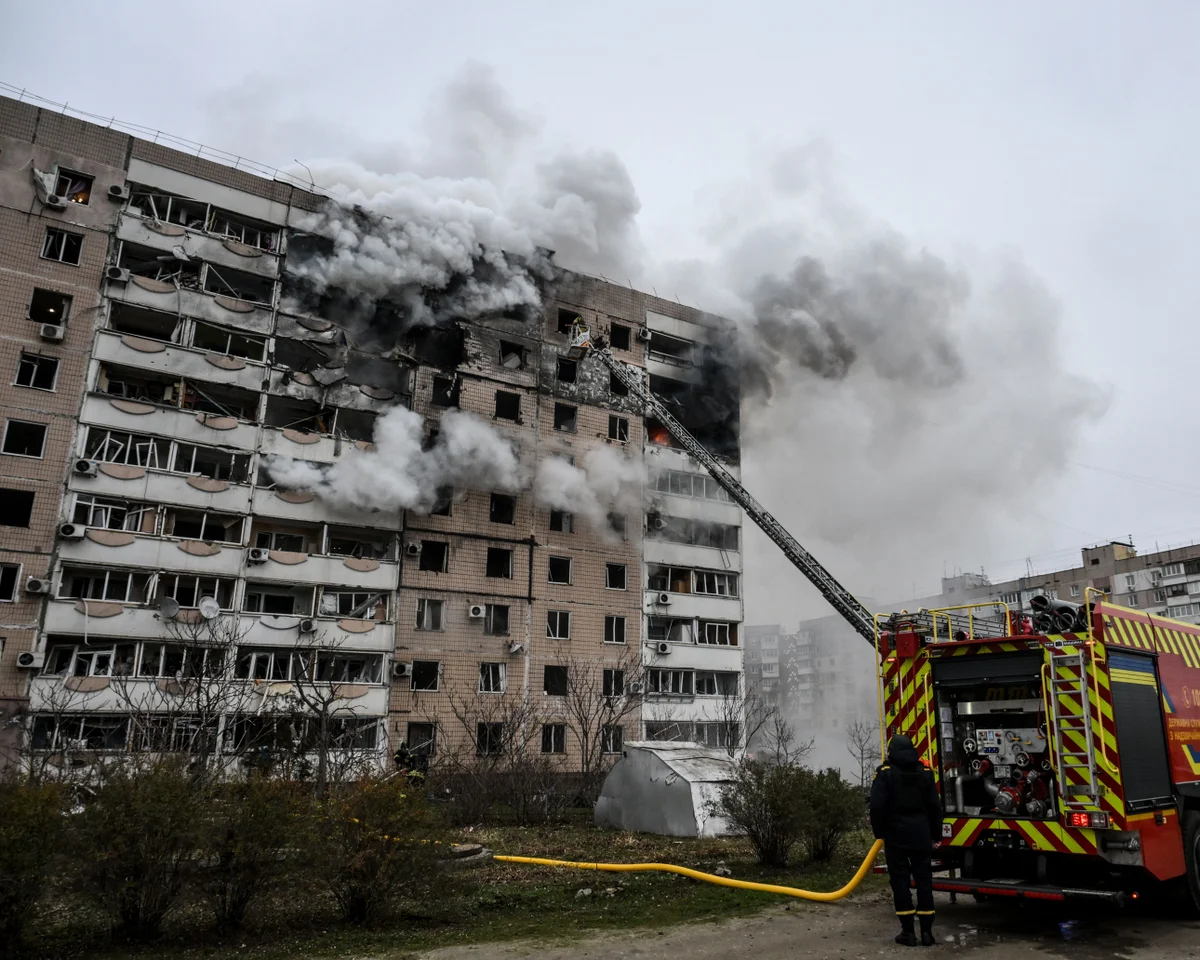
On December 17, 2025, Ukrainian forces conducted a series of drone attacks in Russia’s Rostov region. The strikes targeted multiple locations, including the city of Rostov-on-Don and the nearby town of Bataysk. Among the casualties were three individuals, including two crew members aboard a cargo ship that caught fire during the attack. The fire was later extinguished, but the attack caused significant property damage and left additional civilians injured.
This strike is part of a broader strategy by Ukrainian forces to conduct operations beyond their borders. While previous actions primarily focused on military installations, recent attacks indicate a capacity to strike logistical and infrastructure targets within Russia. Analysts suggest that such operations serve multiple purposes: demonstrating operational reach, disrupting supply lines, and signaling Ukraine’s continued resilience against Russian offensives.
The use of drones in modern warfare has increased dramatically over the past decade, providing militaries with a tactical advantage in terms of precision, speed, and risk reduction. In this instance, the deployment of drones allowed Ukrainian forces to engage targets within Russian territory without exposing personnel to immediate danger. While the human cost is tragic, military experts note that drone operations have become a key component in asymmetric warfare strategies worldwide.
Civilian Impact and Response
Beyond the immediate casualties, the attacks have raised concerns about civilian safety in areas not traditionally considered front lines. Bataysk, a town near Rostov-on-Don, reported civilian injuries and property damage, highlighting the spillover effect of military operations on non-combatants. International observers have emphasized the need for both sides to consider the humanitarian implications of extended conflict zones.
Local authorities responded quickly to contain fires and provide medical assistance, but the incident has sparked renewed debates over civil protection measures in conflict-adjacent regions. The presence of industrial infrastructure, transport hubs, and residential areas within the range of military drones underscores the growing challenge of maintaining civilian safety in modern warfare.
EU Debates Financial Support for Ukraine
Simultaneously, European Union leaders convened in Brussels to discuss financial assistance for Ukraine. A key focus of the discussions was the possibility of using frozen Russian state assets to fund Ukraine’s defense and reconstruction. President Volodymyr Zelenskyy has repeatedly urged EU nations to release these resources as a demonstration of sustained support in the face of ongoing Russian military operations.
The debate reflects broader geopolitical considerations. EU leaders must balance the urgency of supporting Ukraine with internal fiscal and legal frameworks that govern asset seizure and allocation. The decision is particularly pressing as Ukraine seeks to maintain operational momentum while preparing for potential future offensives. Analysts suggest that timely financial support from European allies is critical to ensuring Ukraine’s strategic and operational stability.
Military and Strategic Implications
The Rostov strike illustrates the evolving nature of the Ukraine-Russia conflict. The use of drone technology enables Ukraine to extend its operational reach, challenge Russian logistical networks, and send a clear signal of capability to both domestic and international audiences. However, these strikes also carry risks, including potential escalation and retaliation, which could affect both military and civilian targets.
Experts note that drone operations reflect a broader trend in modern conflict: the increasing reliance on unmanned systems to conduct precision strikes while minimizing immediate risk to personnel. Such strategies are being adopted globally, as militaries recognize the tactical advantages and flexibility drones provide. However, as technology proliferates, the risk of accidental civilian casualties and international criticism grows, requiring careful strategic planning and adherence to the laws of armed conflict.
Diplomatic and Humanitarian Considerations
The combination of military action and diplomatic negotiation underscores the multifaceted nature of the Ukraine-Russia conflict. While Ukraine demonstrates operational capability through drone strikes, international partners continue to consider economic and humanitarian measures to support stability and recovery. The EU discussions about funding, particularly through frozen Russian assets, highlight the interplay between military events on the ground and broader political decisions at the international level.
Humanitarian organizations have reiterated the importance of protecting civilians and ensuring that critical infrastructure is safeguarded during conflicts. Incidents like the Rostov drone strike emphasize the need for continuous monitoring of civilian impact and adherence to international humanitarian law, even as nations pursue strategic military objectives.
Conclusion
The recent drone strike in Russia’s Rostov region and the simultaneous EU discussions on Ukraine’s financial support highlight the complexity of the ongoing conflict. Military operations have expanded beyond Ukrainian borders, demonstrating the operational reach and strategic intent of Ukrainian forces. At the same time, diplomatic negotiations and financial considerations remain critical to sustaining Ukraine’s defensive and reconstruction efforts.
As the conflict continues, both military innovation and international cooperation will play key roles in shaping outcomes. The Rostov incident serves as a reminder of the human costs of modern warfare, the importance of strategic planning, and the need for sustained international support to balance operational effectiveness with humanitarian responsibilities.
Reference
https://www.aljazeera.com/news/2025/12/18/ukraine-drones-kill-3-in-russias-rostov-as-eu-debates-funding-for-kyiv — Ukraine drones kill 3 in Russia’s Rostov as EU debates funding for Kyiv (Al Jazeera)