
Introduction
A devastating explosion at a nursing home in Pennsylvania has once again exposed the fragile balance between care, safety, and accountability in facilities meant to protect society’s most vulnerable members. The incident resulted in multiple fatalities, injuries, and widespread trauma among residents, staff, and families. While investigations are still ongoing, the tragedy has ignited a national conversation about infrastructure safety, emergency preparedness, and oversight in long-term care facilities.
Nursing homes are designed to be places of comfort, healing, and protection for elderly individuals who depend on professional care. When such spaces turn into sites of disaster, the consequences extend far beyond physical destruction — they erode trust, raise ethical questions, and demand urgent reform.
What Happened: An Overview of the Incident
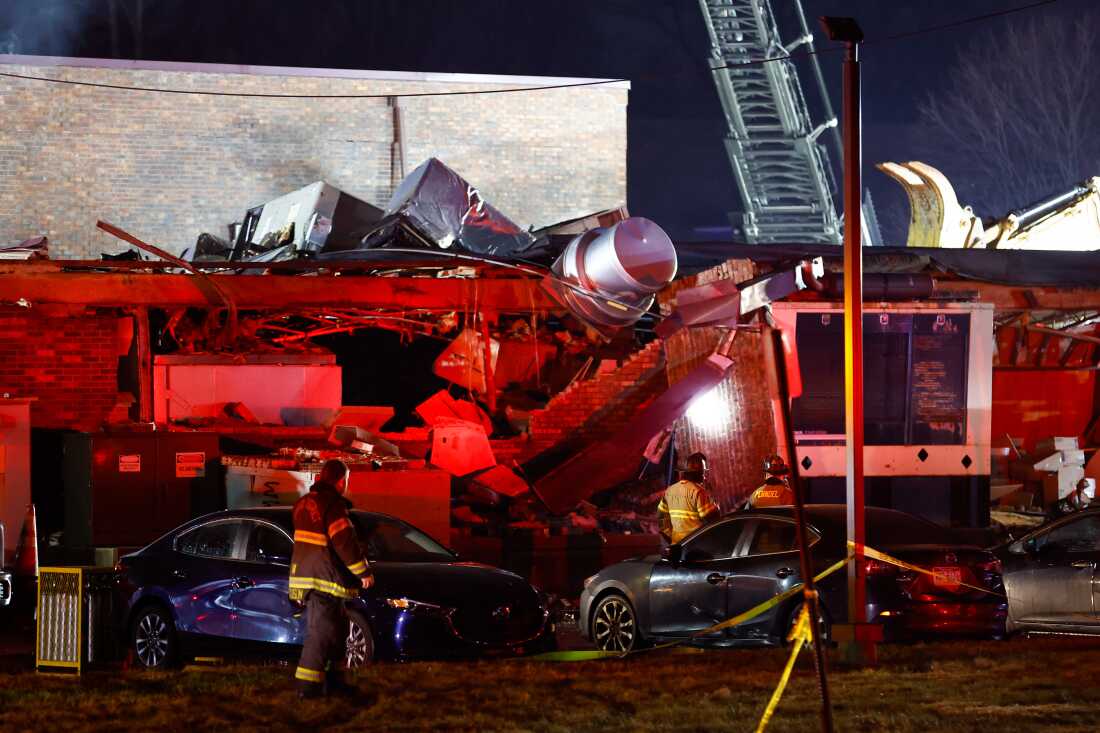
The explosion occurred at a nursing home facility in Pennsylvania, triggering a fire that spread rapidly through sections of the building. Emergency services responded swiftly, but despite rescue efforts, at least three individuals lost their lives, and several others sustained injuries of varying severity. Residents were evacuated under chaotic and emotionally distressing circumstances, many of whom required immediate medical attention and relocation.
The blast reportedly caused structural damage, forcing authorities to cordon off parts of the building and assess the risk of further collapse. Firefighters, paramedics, and law enforcement agencies worked through hazardous conditions to rescue trapped individuals and prevent additional loss of life.
While early findings suggest a possible gas-related cause, officials have emphasized that conclusions will only be drawn after a full forensic and safety investigation is completed.
The Human Cost: Residents, Families, and Caregivers
Beyond the statistics lies a deeply human tragedy. Nursing home residents are often individuals with limited mobility, chronic illnesses, or cognitive impairments. In emergencies, they rely almost entirely on caregivers and emergency responders for survival.
Families of residents were left anxiously waiting for information, some discovering hours later that their loved ones had been injured or killed. For many, the nursing home represented a place of trust — a facility they believed would provide safety when they could not be physically present.
Staff members, many of whom risked their lives to evacuate residents, are also victims of trauma. Caregivers in long-term facilities often form deep emotional bonds with residents, and witnessing such devastation can leave lasting psychological scars.
Facility Responsibility: Safety Systems and Preventive Measures
This tragedy raises serious questions about the responsibility of nursing home management. Facilities housing elderly residents must adhere to strict safety regulations, including:
-
Regular inspection of gas lines and utility systems
-
Fire prevention and suppression mechanisms
-
Emergency evacuation protocols
-
Staff training for crisis situations
-
Clear communication systems during emergencies
When any of these systems fail, the consequences can be fatal. Even if the explosion was accidental, the presence of preventive safeguards could have reduced its severity or prevented it entirely.
A key concern in such incidents is whether safety warnings were overlooked, maintenance delayed, or compliance measures treated as routine paperwork rather than life-saving protocols.
Role of Authorities and Emergency Response
Local authorities and emergency responders played a crucial role in limiting further loss of life. Their rapid response, coordination, and rescue efforts likely prevented a higher death toll. However, the incident also highlights the importance of pre-incident planning.
Municipal authorities must ensure that care facilities within their jurisdiction are not only licensed but continuously monitored for compliance. Emergency drills, coordination between nursing homes and local fire departments, and real-time hazard reporting systems are critical in minimizing disaster outcomes.
Accountability and Legal Implications
Whenever lives are lost in institutional settings, accountability becomes a central issue. Investigators will determine whether negligence, code violations, or systemic failures contributed to the explosion. Depending on findings, consequences may include:
-
Legal action against facility operators
-
Regulatory penalties
-
License suspension or revocation
-
Mandatory safety upgrades
For families of victims, justice is not only about compensation but about ensuring that similar tragedies do not happen again.
Elder Care in Crisis: A Broader Perspective
This incident is not isolated. Across the United States, long-term care facilities face aging infrastructure, understaffing, budget constraints, and increasing demand. When safety investments are postponed or oversight is weakened, the elderly pay the price.
The tragedy underscores the urgent need to rethink how elder care facilities are funded, regulated, and managed. Safety should never be compromised for cost-cutting or administrative convenience.
Lessons Learned and the Path Forward
To prevent similar disasters, several steps must be prioritized:
For Nursing Homes
-
Conduct frequent, independent safety audits
-
Upgrade aging infrastructure
-
Implement robust emergency response training
-
Foster a culture of safety over compliance
For Regulators
-
Strengthen inspection enforcement
-
Increase transparency in safety records
-
Impose stricter penalties for violations
For Families
-
Ask detailed safety questions before choosing facilities
-
Review inspection histories
-
Maintain open communication with management
For Society
-
Recognize elder care as a public responsibility
-
Advocate for stronger protections
-
Demand accountability and reform
Conclusion
The Pennsylvania nursing home explosion is a tragic reminder that safety in care facilities is not optional — it is a moral and legal obligation. While investigations will determine the exact cause, the loss of life demands reflection, accountability, and immediate action.
Elderly individuals deserve dignity, security, and peace in their final years. Anything less is a failure of the systems meant to protect them. This tragedy must serve as a turning point — not just a headline that fades, but a catalyst for meaningful change.