Introduction
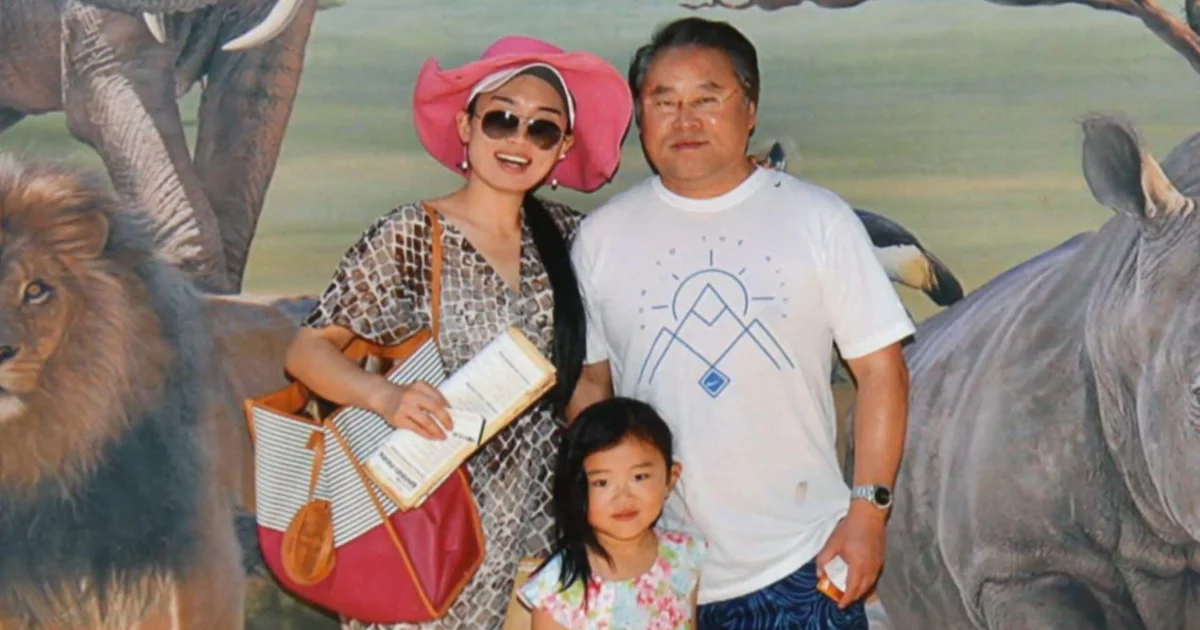
In March 2016, the quiet coastal city of Santa Barbara, California, was rocked by a horrific crime. Dr. Henry Han, his wife Jennie Han, and their young daughter Emily were brutally murdered in their home. The shocking incident not only devastated the victims’ friends and family but also left the entire community grappling with grief and disbelief. Henry Han was a respected holistic medicine practitioner, Jennie Han was known for her warmth and community involvement, and Emily, who was just shy of her sixth birthday, was remembered as a joyful and lively child.
The Discovery of the Crime
The tragic events began to unfold on March 23, 2016, when family friends and business partners, Mark and Marla Palumbo, realized that Dr. Han had failed to attend a scheduled meeting. Concern turned into horror when news reports revealed that the Han family had been found dead in their Santa Barbara residence. Emily had been found alongside her parents, shot while asleep. The discovery sent shockwaves through friends, neighbors, and patients who had trusted Dr. Han’s care for years.
The Crime Scene
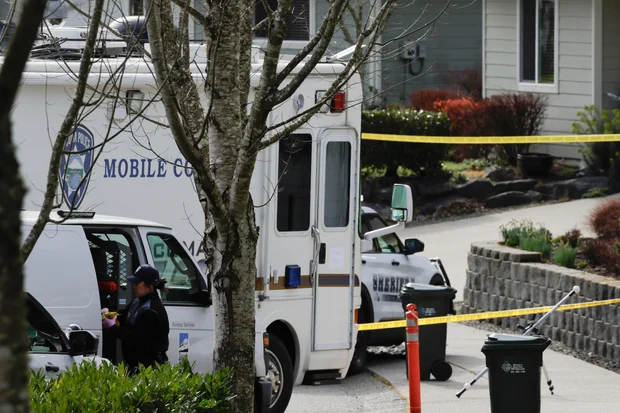
Investigators found a scene that suggested meticulous planning and a disturbing attempt to cover up the murders. The bedrooms showed signs of a struggle to conceal evidence: bleach stains were detected on the carpets, and bloodied bedding had been hidden in a washing machine. Bullet fragments were discovered within pillows and other household items. These details pointed to a premeditated act carried out with a high degree of calculation and cold intent.
A paper contract found in Dr. Han’s bedroom further raised suspicion. Dated the last day Henry Han was seen alive, the document involved a business agreement with a man named Pierre Haobsh. Although it appeared legitimate, investigators determined that it was improperly drafted, lacking notarization or witnesses, signaling potential deceit and manipulation behind the scenes.

Pierre Haobsh: The Prime Suspect
Pierre Haobsh quickly emerged as a central figure in the investigation. Haobsh had recently entered into a business partnership with Dr. Han, ostensibly to assist with research involving CBD products and holistic remedies. Despite this professional arrangement, friends of the Han family, including the Palumbos, felt uneasy about Haobsh from the start. Reports indicated that Haobsh had no formal scientific training, had falsified credentials, and engaged in suspicious financial activities, including unauthorized charges on Dr. Han’s accounts.
Investigators later uncovered surveillance footage showing Haobsh purchasing large rolls of plastic wrap and duct tape, materials that matched those used in the murder scene. This evidence, combined with Haobsh’s prior suspicious behavior, placed him at the center of the case.
The Arrest and Investigation
Data from the victims’ cell phones indicated that Haobsh had traveled roughly 200 miles south from Santa Barbara to Oceanside, California, after the murders. Within 48 hours, authorities tracked him down. During his arrest, Haobsh was found with the murder weapon, duffel bags, and personal items belonging to the Han family. These discoveries solidified his status as the prime suspect and led to charges of three counts of first-degree murder.
The Trial and Sentencing
During the trial, Haobsh claimed that shadowy figures had targeted him because of his alleged inventions and business projects, suggesting that the murders were part of a broader conspiracy. The court found these claims implausible and irrelevant to the case. In April 2022, Haobsh was sentenced to three consecutive life terms without the possibility of parole, bringing legal closure to the case while leaving emotional scars that remain with the community.
Impact on the Community
The Han family’s loss was profoundly felt by their community. Dr. Henry Han was known for his dedication to holistic medicine, integrating Eastern and Western approaches to treat patients. He had helped countless individuals manage chronic illnesses and navigate life-threatening conditions, leaving a legacy of care, compassion, and healing. Jennie Han played a vital role in the family’s clinic and was remembered for her warmth and involvement in the community. Emily, despite her young age, left a lasting impression with her vibrant personality and joyful presence.
Friends, colleagues, and patients have expressed that the sudden and violent loss of the Han family created a void that can never truly be filled. Close associates described Henry Han as compassionate and trustworthy, which made the betrayal by Haobsh all the more tragic.

Lessons and Reflections
The murder of the Han family underscores the consequences of misplaced trust and deception. Even individuals surrounded by family, friends, and a supportive community are vulnerable to manipulation and betrayal. The meticulous planning and attempts to cover up the crime also highlight the premeditated nature of the act.
The community continues to remember the Han family’s contributions, both professionally and personally. Memorials and tributes honor their memory, emphasizing Henry Han’s dedication to healing and the warmth and joy that Jennie and Emily brought to those around them.
Conclusion
The murder of the Han family remains one of the most tragic events in recent Santa Barbara history. While justice was served through the arrest and sentencing of Pierre Haobsh, the emotional and psychological impact of the crime endures. The family’s legacy of compassion, service, and kindness continues to inspire the community, serving as a reminder of the lives lost and the indelible mark they left behind.