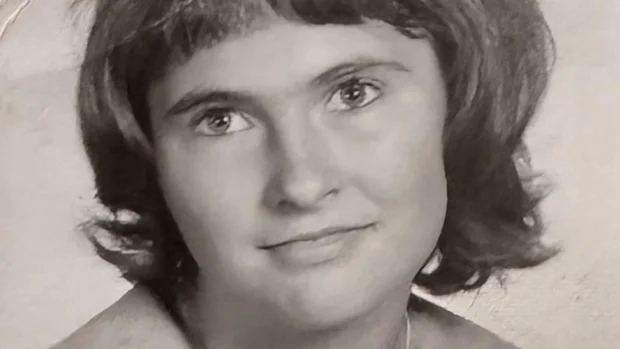

On August 22, 2025, 23-year-old Iryna Zarutska, a Ukrainian refugee, was riding the Lynx Blue Line light rail in Charlotte, North Carolina, after finishing her shift at work. What should have been a routine trip home turned into a horrifying tragedy when she was fatally attacked by a stranger. Her death left the community, her family, and friends in shock and raises urgent questions about public safety, mental health, and societal responsibility.
Remembering Iryna
Iryna was born in Kyiv, Ukraine, and fled her country with her family after the Russian invasion, seeking safety and a fresh start in the United States. Settling in Charlotte, she worked at a pizzeria and studied English at a community college.
Friends and acquaintances described her as creative, kind, and ambitious, with a love for art and animals. She dreamed of building a life filled with peace, opportunity, and security. Tragically, that hope was cut short in a sudden act of violence.

The Night of the Attack
Around 10 p.m. on August 22, Iryna boarded the light rail as part of her normal routine. Surveillance footage and police reports later revealed that:
-
Decarlos Brown Jr., 34, sitting a few seats behind her, pulled a folding knife and stabbed her three times, including once in the neck.
-
There was no prior interaction between them; the assault appeared completely unprovoked.
-
Brown exited the train at the next stop, where he was arrested immediately. Iryna was pronounced dead at the scene.
The randomness of the attack shocked the Charlotte community and prompted questions about safety on public transportation.
Who is Decarlos Brown Jr.?
Brown is a 34-year-old man with a long criminal history, including robbery, larceny, and breaking and entering. He is reportedly homeless and has been diagnosed with schizophrenia. Friends and family have said that he believed in delusions, thinking Iryna was “reading his mind” and that a government chip was implanted in his body.
-
Brown has been charged with first-degree murder in North Carolina.
-
On the federal level, he faces charges for violence on a mass transportation system, carrying potential life imprisonment or the death penalty.
His case has sparked broader discussions on mental health, criminal justice, and public safety.
Community Reaction and Aftermath
Iryna’s murder prompted grief and outrage across Charlotte. Key concerns focused on:
-
Transit security gaps: Why was there no visible security on the train?
-
Mental health intervention failures: Could earlier support have prevented this tragedy?
-
Public safety protocols: Are emergency response measures and staffing adequate?
Iryna’s family requested that the media stop circulating video footage of the attack to protect her dignity and prevent additional trauma.
Broader Societal Lessons
This tragedy underscores systemic issues:
1. Refugee Vulnerability
Refugees often face unique risks, especially in unfamiliar environments. Limited social support networks can leave them more exposed to danger even in stable countries.
2. Mental Health and the Justice System
Brown’s schizophrenia diagnosis and prior criminal record highlight the need for early mental health intervention and thoughtful integration with the justice system.
3. Public Transit Safety
Cities must ensure passenger safety from violent incidents, not just accidents or theft. This includes:
-
Enhanced security presence
-
Advanced surveillance and monitoring
-
Emergency protocols and rapid response measures
4. Media Responsibility
Ethical reporting should balance informing the public with protecting victims’ dignity, avoiding graphic or sensationalized coverage.
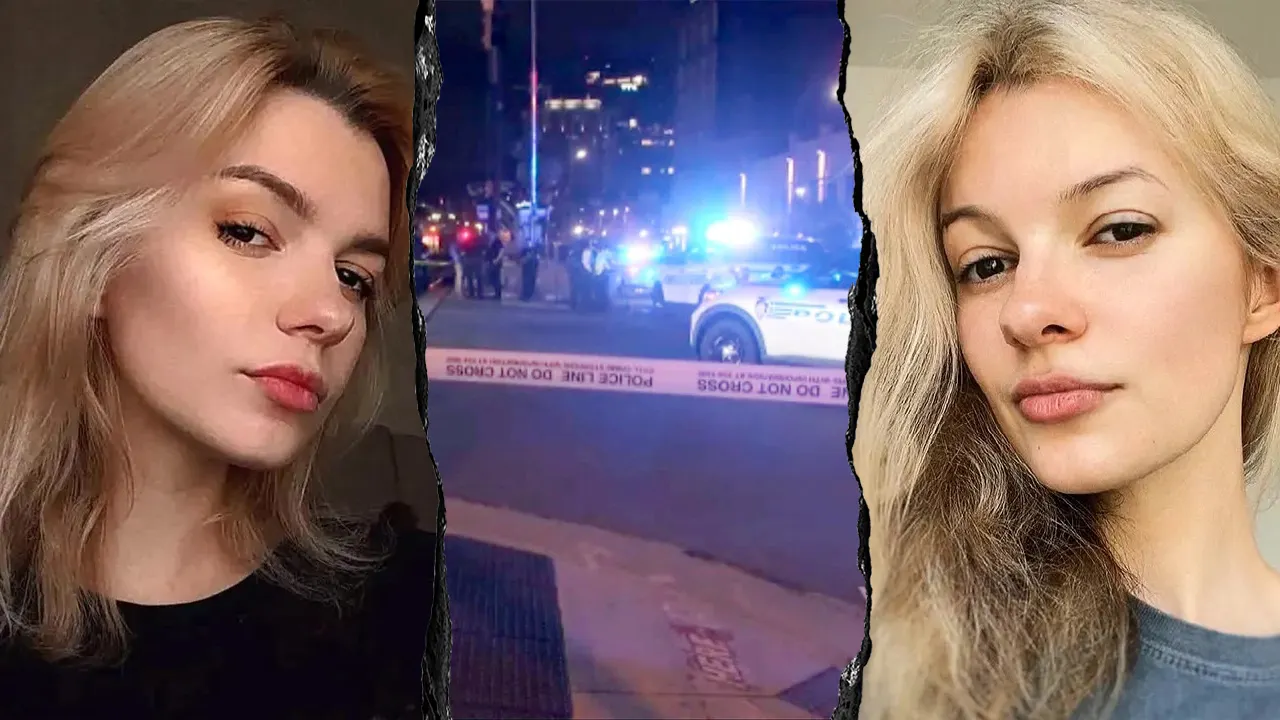
Steps Society Can Take
To prevent similar tragedies:
-
Strengthen mental health infrastructure with accessible care and early interventions.
-
Improve transit security, including trained personnel, better camera systems, and clear emergency protocols.
-
Promote community vigilance, encouraging passengers to report suspicious behavior.
-
Review legal frameworks surrounding public safety, homelessness, and bail regulations.
Honoring Iryna’s Memory
The murder of Iryna Zarutska is a profound tragedy. A young woman who fled war, worked diligently, and dreamed of a peaceful future was taken in an instant of unprovoked violence.
Her death highlights vulnerabilities in mental health care, public safety, and community support systems. By advocating for reforms, improving infrastructure, and raising awareness, society can work to ensure that others are protected and that tragic incidents like this do not repeat.
Iryna’s life, courage, and dreams should inspire meaningful change—a world where everyone can move freely and safely without fear.
Justice for Iryna — Accountability Beyond Arrest
While Decarlos Brown Jr. has been arrested and charged, justice extends beyond a courtroom outcome. True justice means:
-
Reforming public transit safety protocols to ensure no one travels unprotected.
-
Demanding mental health accountability, not just punishment after tragedy.
-
Reviewing legal standards for high-risk offenders with untreated psychiatric disorders.
Justice must not stop at sentencing — it must reshape the systems that failed her.
Building a Safer Future — So This Never Happens Again
To prevent similar tragedies, society must move beyond outrage into structured reform:
-
Mental health services must be proactive, not reactive — identifying and treating individuals before they reach crisis.
-
Transit systems need visible, trained security personnel, not just cameras.
-
Community awareness campaigns should teach riders how to identify and report alarming behavior.
-
Government resources must be allocated not only to policing but prevention.
When safety becomes universal — not conditional — we can say that Iryna did not die in vain.
Final Tribute — Carrying Her Story Forward
Iryna’s life was filled with bravery. She survived war, rebuilt her life in a new country, and worked every day toward a better future. Her story should not end in tragedy — it should ignite change.
Let her memory guide conversations about public safety, mental health, and accountability. Let her name live not only in sorrow, but in reform and protection — so that no one else fleeing danger ever finds it again on their way home.
Frequently Asked Questions (FAQ)
Who was Iryna Zarutska?
Iryna was a 23-year-old Ukrainian refugee who fled the war with her family. She lived in Charlotte, worked at a pizzeria, studied English, and dreamed of building a safe and meaningful life.
What happened to her?
On August 22, 2025, she was riding the Lynx Blue Line light rail when she was fatally stabbed by a stranger in an unprovoked attack.
Who was the attacker?
The suspect, 34-year-old Decarlos Brown Jr., has a history of criminal offenses and diagnosed schizophrenia. He believed in paranoid delusions at the time of the attack.
What charges is he facing?
He is charged with:
-
First-degree murder under North Carolina law
-
Violence on a mass transportation system under federal law, which could result in life imprisonment or the death penalty
Was there security on the train?
No security personnel were present at the time. This has raised questions about safety protocols on public transportation in Charlotte and nationwide.
What can cities do to prevent these incidents?
Experts recommend:
-
Onboard transit security or patrol officers
-
Mental health flagging systems for high-risk individuals
-
Emergency alert buttons and faster response protocols
How can the public help prevent future tragedies?
-
Report concerning behavior immediately on public transport
-
Support local mental health initiatives and legislation
-
Advocate for transit safety reforms