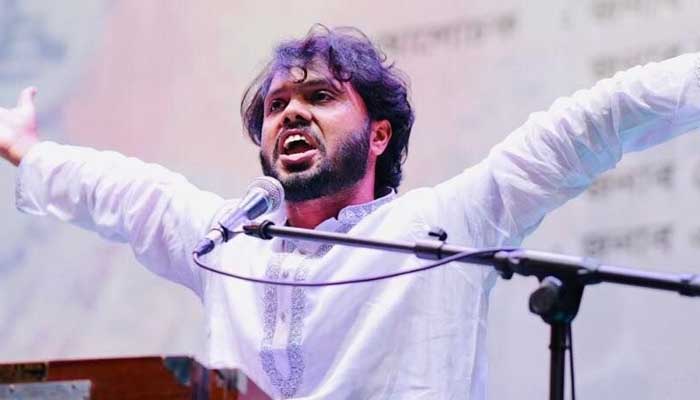
The death of a prominent student protest leader from Bangladesh in a Singapore hospital has marked a deeply emotional and politically significant moment for the country. His passing has not only ended the life of a young activist but has also reignited national debates around political violence, student movements, and the future of democratic expression in Bangladesh. For many, his death symbolizes the high personal cost of activism in an environment where dissent is often met with hostility.
Rise of the 2024 Student Protest Movement
In 2024, Bangladesh witnessed one of the largest student-led protest movements in its recent history. Sparked by demands for political reform, accountability, and fair governance, the movement quickly grew beyond university campuses and captured national attention. Students from diverse academic and social backgrounds united under a shared call for transparency and justice, challenging long-standing political norms.
The protest leader who later died played a central role in organizing demonstrations, articulating demands, and serving as a public voice for student grievances. Known for his articulate speeches and strategic thinking, he became a recognizable figure both within Bangladesh and internationally. Supporters viewed him as a symbol of youthful courage, while critics accused the movement of destabilizing the country.
The Attack and Medical Struggle
The turning point came when the student leader was seriously injured in a targeted attack in Dhaka. According to information released by authorities and medical professionals, he sustained critical injuries that required immediate emergency treatment. After initial care in Bangladesh, he was transferred to Singapore for advanced medical intervention due to the severity of his condition.
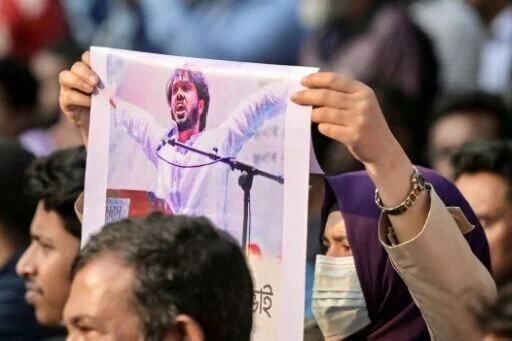
For weeks, supporters followed updates on his health with growing concern. Vigils were held across Bangladesh, and social media platforms filled with messages of solidarity, hope, and prayer. Despite the efforts of medical teams and the hopes of millions, he eventually succumbed to his injuries in a Singapore hospital.
The news of his passing deeply unsettled the country and drew reactions from across the world.For many young Bangladeshis, it felt like the loss of a leader, a mentor, and a voice that spoke directly to their frustrations and aspirations.
National and International Reaction
The news of his passing triggered an immediate emotional response across Bangladesh. Thousands of students poured into the streets, holding peaceful marches, candlelight vigils, and memorial gatherings. Universities became centers of mourning, reflection, and renewed calls for justice.
At the same time, tensions escalated in several areas as anger mixed with grief. Some protests turned confrontational, highlighting the fragile balance between public expression and public order. The interim authorities appealed for calm, urging citizens to honor the deceased through peaceful means while promising a transparent investigation into the attack.
International human rights organizations and student groups expressed condolences and raised concerns about the safety of political activists in Bangladesh. The death was widely seen as a test case for the country’s commitment to protecting freedom of expression and political participation, particularly among youth.
The Role of Student Politics in Bangladesh
Student activism has historically played a powerful role in Bangladesh’s political landscape. From the language movement of the 1950s to more recent protests, students have often been at the forefront of change. However, this legacy has also come with risks, as student leaders frequently find themselves entangled in broader political rivalries.
The death of this protest leader has forced a national reckoning over how student politics are conducted and protected. Many educators and analysts argue that students should be able to engage in peaceful activism without fear of violence or repression. Others stress the need for clearer boundaries between political parties and student organizations to prevent exploitation and escalation.
Questions of Accountability and Justice
One of the most pressing issues following the leader’s death is accountability. Supporters and civil society groups are demanding a thorough and independent investigation into the attack that led to his injuries. They argue that justice is essential not only for his family but also for restoring public trust in state institutions.
The government has stated that legal processes are underway, but skepticism remains high among protesters who fear that political influence could interfere with the investigation. The outcome of this case may shape public confidence in the rule of law for years to come.
Impact on the Youth and Future Movements
The death has left an indelible mark on Bangladesh’s youth. For some, it has deepened feelings of disillusionment and fear, reinforcing the perception that activism carries unacceptable risks. For others, it has strengthened resolve, transforming grief into determination to continue advocating for reform.
Universities have reported increased demand for counseling services as students grapple with trauma, anxiety, and uncertainty about the future. Educators are calling for greater institutional support to help students navigate political engagement safely and responsibly.
A Nation at a Turning Point
Bangladesh now stands at a crossroads. The death of a young protest leader has exposed deep societal tensions around governance, dissent, and youth participation. Whether this moment leads to meaningful reform or further polarization will depend on the actions taken by political leaders, institutions, and civil society.
The tragedy serves as a reminder that the health of a democracy is measured not only by elections and laws but by how it treats those who question authority. Protecting the voices of young people is essential for any society that seeks long-term stability and progress.
Conclusion
The passing of the 2024 student protest leader in a Singapore hospital is more than a personal tragedy; it is a national moment of reflection. His life and death have highlighted both the power and the vulnerability of student movements in Bangladesh. As the country mourns, it also faces a critical choice: to allow fear to silence dissent or to honor his legacy by strengthening democratic values, protecting activists, and ensuring justice.
The path forward will not be easy, but the decisions made in the wake of this loss will shape Bangladesh’s political and social landscape for generations to come.
References
-
Al Jazeera – Leader of 2024 Bangladesh student protests dies in Singapore hospital
https://www.aljazeera.com/news/2025/12/18/leader-of-2024-bangladesh-student-protests-dies-in-singapore-hospital