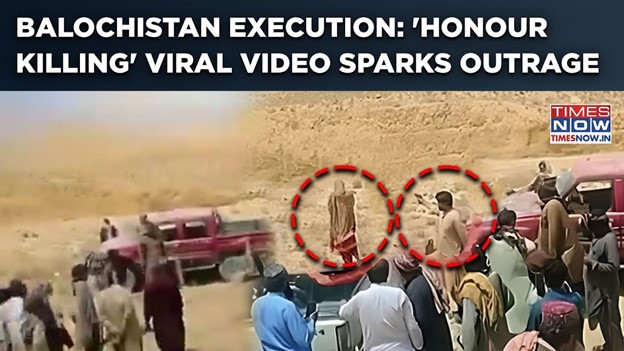
In the rugged landscapes of Balochistan, where traditions run deep and silence often cloaks the truth, a chilling story unfolded that shook Pakistan to its core. It was not just another crime; it was an honor killing—a phrase that carries the weight of betrayal, blood, and centuries-old customs. What began as whispers in a remote village soon turned into a nationwide cry for justice, drawing the attention of human rights activists, lawmakers, and international observers.
The Victims A Love That Defied Tradition
At the center of this tragedy were two young souls, deeply in love yet bound by circumstances larger than themselves. Both were in their early twenties, hopeful, and eager to carve out a life together. For them, love was a promise of freedom and happiness. But for their families, it was a transgression.
The boy came from a modest household that strictly upheld cultural codes. The girl, bright and independent, often voiced her opinions in ways that challenged traditional norms. Their relationship, kept secret for months, became a silent rebellion in a society where family honor outweighs personal freedom.
But in small villages, no secret stays hidden for long. And when their bond was discovered, it became the spark for a crime that would silence their love forever.
The Crime That Shattered Silence
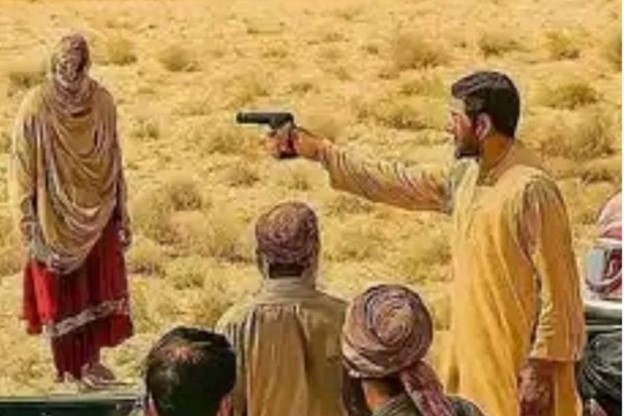
One fateful evening, the couple vanished. Villagers speculated they had eloped, seeking refuge in a nearby city. Days later, their lifeless bodies were discovered in a barren stretch of land, hastily covered as though their existence itself was a shame to be buried.
Police investigations revealed clear signs of struggle. The couple had fought for their lives, but their pleas were drowned out by rage disguised as honor. Relatives—people meant to protect them—had instead become their executioners.
The Investigation Tracing the Truth
Law enforcement moved swiftly. Suspicion fell immediately on the girl’s family, particularly her father and brothers. Witnesses revealed chilling details: a secret meeting among elders had been held days before the murder to “decide the couple’s fate.”
Phone records confirmed threatening calls were made to the boy. Some villagers admitted seeing the girl dragged away against her will. The timeline became unmistakable—the couple planned to flee to Quetta, but their families intercepted them, captured them, and executed them in cold blood.
The Arrests Behind Bars but Unrepentant
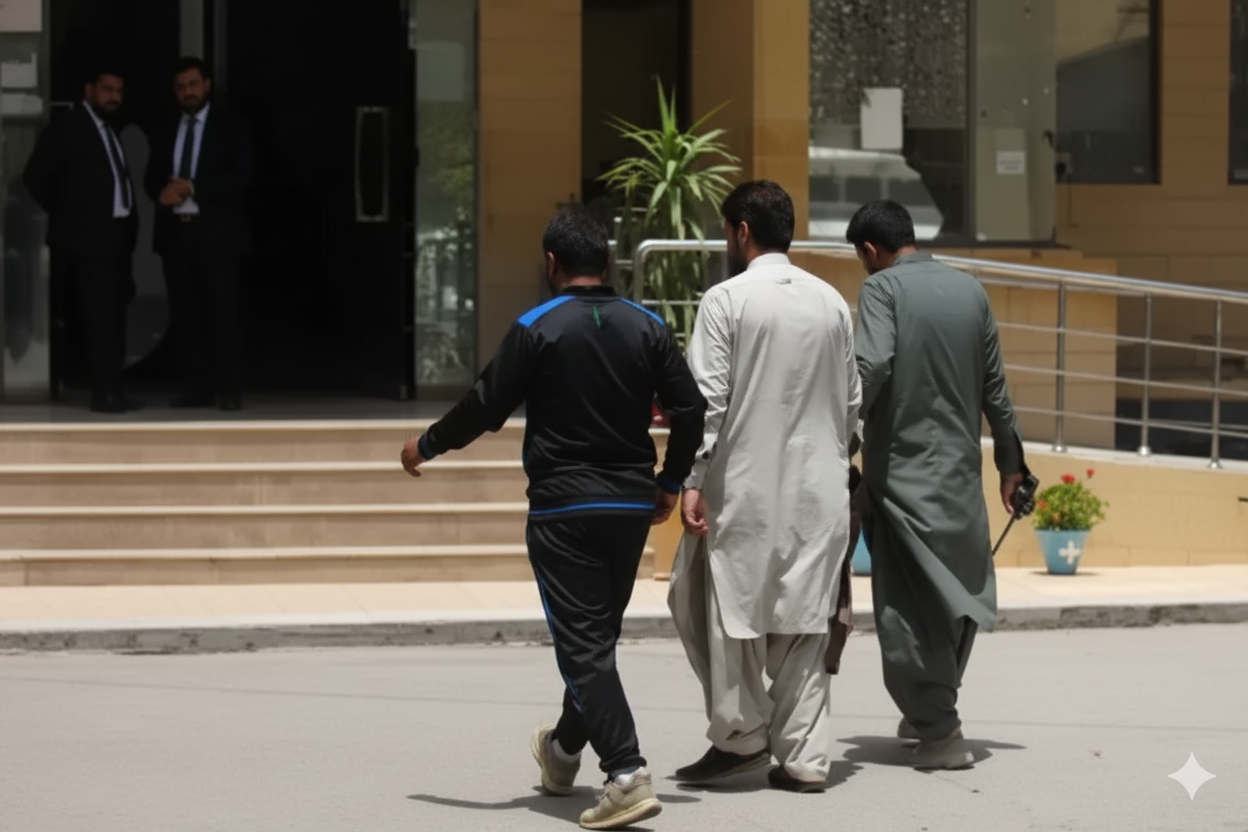
Within days, several suspects were arrested, including the girl’s father and two brothers. Interrogations revealed no remorse. Instead, they claimed they had “protected family honor.”
But this time, the state acted differently. Under the Pakistan Penal Code, combined with amendments to prevent forgiveness loopholes, the suspects were charged with premeditated murder. Authorities vowed that there would be no escape through family pardons—a legal tactic that has historically allowed honor killers to walk free.
Human Rights Council of Balochistan’s Response and Legal Framework
The Human Rights Council of Balochistan (HRCB) quickly issued a statement condemning the murders. The council declared that such killings were not cultural disputes but serious crimes against humanity.
HRCB cited the Criminal Law (Amendment) Act 2016, which was enacted after public outrage over repeated honor killings in Pakistan. This law explicitly closes the loophole of forgiveness, making sure perpetrators face life imprisonment or the death penalty even if pardoned by the victim’s family.
By linking this case to the law, HRCB reminded authorities that justice cannot remain symbolic—it must be enforced. They urged courts to treat the case as a landmark judgment to set a precedent for ending impunity in Balochistan. Through international reports, the HRCB also ensured global attention, preventing the case from being silenced like so many others before it.
Outrage Across Pakistan Voices That Refused to Be Silenced
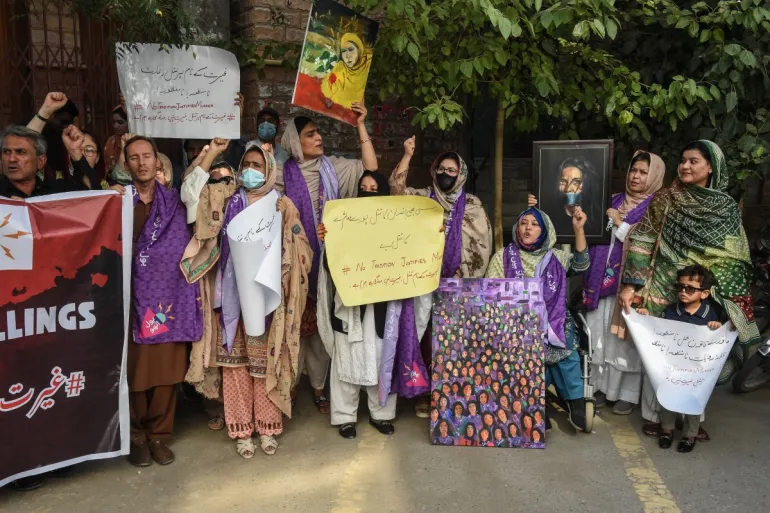
The murder sparked national outrage. Social media platforms flooded with hashtags demanding justice. Women’s rights activists staged protests across Quetta, Karachi, and Islamabad. Placards bore the names of the victims, and chants filled the streets: “Honor killings are murder, not tradition!”
Journalists highlighted how hundreds of such cases occur annually, most going unreported. Politicians and civil society members demanded stronger enforcement of the 2016 law, pointing out that law without accountability means nothing.
For many, the Balochistan couple became more than victims—they became a symbol of Pakistan’s struggle between tradition and progress.
The Dark Legacy of Honor Killings
Honor killings remain one of Pakistan’s most harrowing social issues. In patriarchal societies, family reputation is tied to a woman’s choices—her clothing, friendships, or relationships. If these choices defy tradition, her life can be deemed expendable.
Human rights groups estimate that over 1,000 women are killed each year in honor crimes, though the real number is likely much higher. Most cases never see justice, buried under family silence and social pressure.
The Balochistan case, however, stands apart because of its visibility. Thanks to relentless reporting and organizations like HRCB, it has become impossible to ignore.
The Final Hours of the Couple A Fight Against Fate
Perhaps the most haunting element of this story is imagining the couple’s final hours. They ran, they resisted, they begged for mercy. Witnesses recalled hearing the girl’s cries as she pleaded with her father not to kill her. The boy tried to shield her, but he was outnumbered.
Love, no matter how pure, was no match against hatred fueled by rigid traditions. In those final moments, the couple’s only crime was wanting to live freely—a dream denied by the very people who should have protected them.
The Road to Justice Will This Case Make History
The case now rests in the hands of the judiciary. If the courts uphold the 2016 law and sentence the perpetrators to life imprisonment or death, it may mark a turning point in the fight against honor killings. If not, it risks being another tragic story lost in dusty files.
For the grieving families, nothing will fill the void. For Pakistan, however, this case is more than justice—it is a test of willpower. Will the nation choose progress, or will it continue to let the shadow of honor justifications claim more lives?
Conclusion Love Silenced but Not Forgotten
The honor killing of the Balochistan couple is not just a crime—it is a mirror reflecting the darkest corners of society. Their story is now part of Pakistan’s history, but it also represents a demand for transformation.
As the Human Rights Council of Balochistan rightly argued, justice cannot stop at condemnation. It must translate into strict punishment, widespread awareness, and social reform. True honor lies not in silencing love but in protecting it.
The voices of the victims may have been stilled, but their story continues to echo across Pakistan, reminding us all that until honor killings end, no love is truly safe.