Introduction
The ongoing Russia–Ukraine conflict has entered a critical phase marked not only by escalating battlefield pressure but also by a severe internal challenge within Ukraine’s armed forces: a record surge in desertions and unauthorized absences. As Ukraine continues to confront a larger and better-resourced adversary, the morale, capacity, and operational sustainability of its military have come under unprecedented strain. The latest reporting indicates that desertion figures have reached historic highs, creating a complex internal crisis for the Ukrainian state, its military command, and its long-term defense strategy.
This article examines the scale of the desertion problem, the underlying causes, the human stories behind the statistics, and the implications for Ukraine’s military stability and the broader war effort.
Scale of the Desertion Crisis
The most alarming aspect of the issue is the sheer number of service members abandoning the ranks or remaining absent without authorization. Recent official figures suggest that over 235,000 soldiers have gone AWOL (Absent Without Leave), while more than 54,000 troops have formally deserted the military. The trend is not only persistent but appears to be accelerating. Between September 2024 and September 2025 alone, Ukraine recorded approximately 176,000 AWOL cases and additional tens of thousands of desertions.
These numbers reflect a breakdown in internal cohesion at a time when Ukraine faces intense pressure across multiple fronts. With frontline casualties mounting and troop rotations becoming increasingly infrequent, many soldiers feel trapped in an exhausting cycle of combat with little relief.
Voices from the Ground: Soldiers’ Experiences
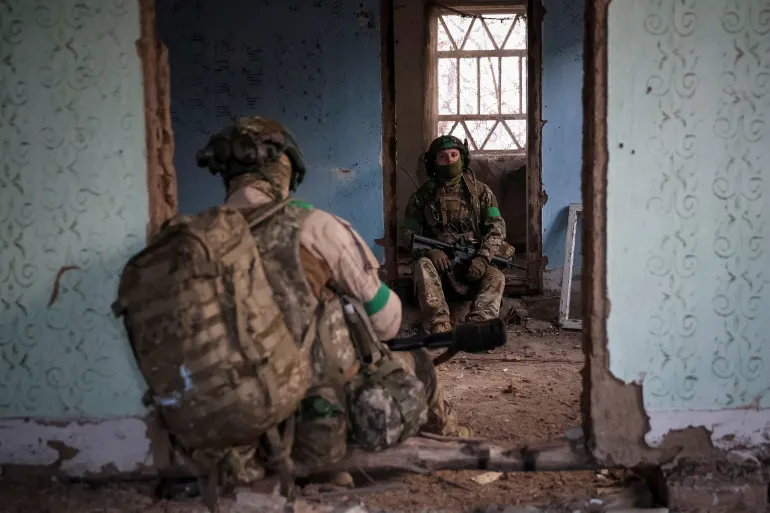
A significant part of this crisis stems from the lived experiences of ordinary Ukrainian soldiers. Accounts from those who deserted or went AWOL convey a picture of a force under immense stress. One such soldier, a 36-year-old man who had been conscripted months earlier, described receiving almost no meaningful training before being sent to the frontline. His preparation was so inadequate that he felt he was being positioned for failure or casualty from the beginning.
He explained that after firing a single bullet during training, he was deemed “ready” for the battlefield. Faced with this reality, and fearing that survival was unlikely, he made the risky decision to leave the military. His story is not isolated; many deserters echo similar concerns about inadequate preparation, limited support, and overwhelming battlefield pressure.
Systemic Strain and Declining Morale
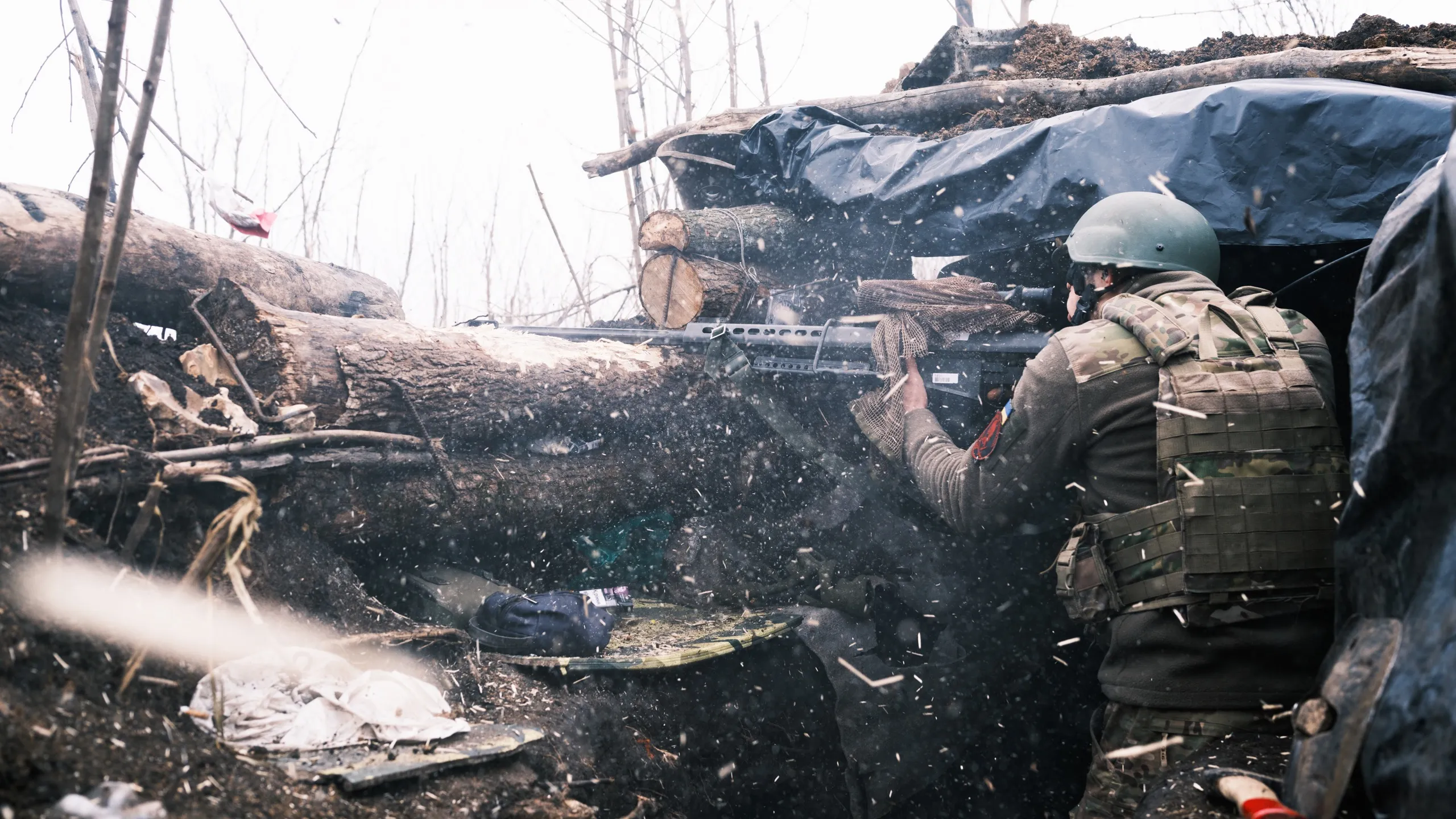
The rising rate of desertion appears to be rooted not only in battlefield stress but also in systemic issues within the Ukrainian military. Soldiers have voiced grievances about:
-
Lack of adequate rest and leave, leaving them unable to reconnect with families.
-
Commanders perceived as disconnected from the hardships faced by frontline troops.
-
Heavy casualties, especially during intense offensive and defensive operations.
-
Uncertainty regarding the duration of deployment due to extended martial law and recurring mobilization campaigns.
These conditions have worn down morale, leading many to conclude that desertion or risking imprisonment may be preferable to remaining at the front under current conditions.
Official Acknowledgement and Government Concerns
A former senior Ukrainian official acknowledged that the situation is alarming and difficult to manage. According to his assessment, both desertion and unauthorized absence figures are “very high,” suggesting the problem has exceeded the government’s internal expectations. This admission marks a rare moment of candor regarding Ukraine’s human-resource strains.
The official further noted that many soldiers weigh their limited options and determine that imprisonment—if caught for desertion—may still offer better survival prospects than combat deployment. Although harsh penalties are in place for desertion, enforcement remains inconsistent due to the overwhelming number of cases and the military’s need for manpower.
Broader Implications for Ukraine’s Military
The spike in desertion rates carries several serious implications for Ukraine’s ability to continue defending its territory:
1. Reduced Manpower Availability
Every soldier who leaves the ranks reduces Ukraine’s already strained troop reserves. With active fighting on multiple fronts, a shortage of trained personnel poses a significant operational challenge.
2. Increased Pressure on Remaining Troops
As more individuals abandon their posts, those who remain face increased workloads, extended deployments, and greater psychological stress. This creates a feedback loop that may accelerate further desertions.
3. Complications for Strategic Planning
Military leaders depend on stable personnel numbers when planning operations. High desertion rates undermine both immediate tactical decisions and long-term strategic forecasting.
4. Public Perception and National Resilience
Desertion at this scale may weaken national morale and raise questions among civilians about the overall sustainability of the war effort. Maintaining public support becomes more difficult when the military appears internally distressed.
Underlying Causes Beyond the Battlefield
While combat stress contributes significantly to desertion, several additional factors deepen the crisis:
1. Prolonged Conflict Duration
The war has extended far longer than many Ukrainians initially expected. Without a clear timetable or end-date, some soldiers feel trapped in an indefinite cycle of conflict.
2. Social and Family Pressures
Many AWOL soldiers report leaving to protect or support their families, particularly amid economic instability and displacement caused by the war.
3. Perceived Inequalities in Mobilization
Some citizens believe that mobilization policies disproportionately affect certain regions or socioeconomic groups. These perceptions—whether accurate or not—fuel growing resentment.
4. Emotional Exhaustion and Trauma
Wartime psychological trauma plays a major role. Soldiers with untreated PTSD or battlefield shock often struggle mentally, making desertion a desperate coping mechanism.
Conclusion
Ukraine’s record-high desertion levels signal a deepening internal crisis that extends beyond simple disciplinary issues. As the conflict with Russia continues, the Ukrainian military faces both external military pressure and internal challenges tied to morale, training, exhaustion, and long-term sustainability. Addressing the root causes will require substantial reforms, improved support for service members, clearer rotation policies, and increased attention to mental health.
While Ukraine remains committed to defending its sovereignty, the growing desertion problem poses a significant risk to its long-term operational stability—one that military leaders and policymakers must confront with urgency and honesty.
For more information
-
Al Jazeera. Record numbers of Ukrainians desert army amid losses to Russia. https://www.aljazeera.com/news/2025/12/9/record-numbers-of-ukrainians-desert-army-amid-losses-to-russia