Introduction: A Heartbreaking Conflict of Tradition and Modernity
To horrify the audience, in one terrible case in Pakistan, a father supposedly murdered his teenage daughter after she refused to delete her TikTok account. The tragedy represents a cold crossroads of family honor, the conflict between generations, and the power of social media among the young generation. As a platform that is popular in self-expression, TikTok tends to be in conflict with firmly ingrained societal expectations, occasionally with catastrophic outcomes.
The case has caught communities in Pakistan off guard, and it has led to some pressing issues in the form of honor-based violence, parental control, and protection of women in home areas. To most adolescents, apps such as TikTok provide a source of creativity and bonding, although it can cause discord in very religious families.
TikTok and Pakistani Youth Culture
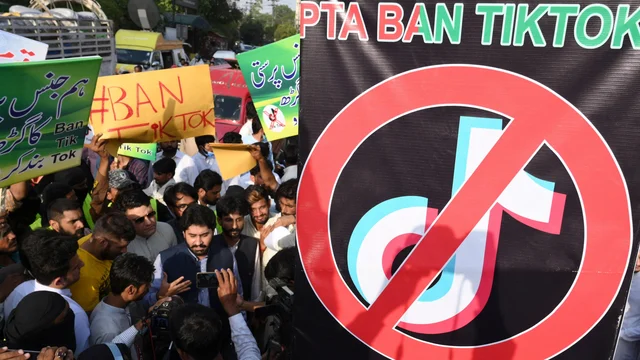
TikTok has expanded fast in Pakistan and millions of users particularly teenagers and young adults have registered on it. DataReportal (2025) reports that there are more than 47 million social media users in Pakistan, and TikTok is one of the most popular applications that enable youth to interact. Through the platform, the youngsters are able to display their talents, meet other youths and discover the possibilities they can get outside their immediate neighborhoods.
According to a sociologist focused on digital culture, Dr. Sana Rehman, TikTok is not only a platform where teenagers in Pakistan can strengthen their identities and voices but it is a way of life. However, the platform may pose tension at home where conservatism is being promoted with regard to modesty and obedience especially among young women.

The Case: When Rebellion Becomes Deadly
It is reported that the girl posted dance routines, humor skits, and makeup tutorials on TikTok many times. The fact that her father believed it was improper and his family honor was at stake led him to force her to delete the account. When she turned him down, the tensions began to rise and neighbors said they heard plenty of arguments during weeks.
The psychologists also point out that such extreme cases are usually a result of a mixture of cultural demands, a sense of a threat to family honor, and ineptitude in conflict-resolution. According to Dr. Farah Iqbal, a Karachi-based clinical psychologist, parents believing that contemporary versions of self-expression are disgraceful occasionally react violently. It is a tragic communication breakdown, which is exacerbated by social pressure.
Cultural and Societal Norms
Honor-based violence has still existed in certain regions of Pakistan. The quality of family reputation and traditional values is frequently valued over the individual freedom, particularly in the case of women. The use of social media may come to a head and parents will perceive the use of online media as a challenge to authority and image.
As activist Sharmeen Obaid-Chinoy remarks, in such a situation social media is a mere trigger. The actual problem is that there are high standards of expectations that women should fit into the traditional roles, and it is common that they do it at the cost of their safety and freedom. This type of attitude, along with a deficit of digital literacy, may turn the generational conflicts lethal.
Legal Perspective
Honor-based violence and domestic abuse have been legislated in Pakistan, and through the Criminal Law (Amendment) Act, 2016, it is a criminal offense. Nevertheless, the inefficiencies of the law, social acceptance, and the imposition of law are more than likely to violate the law.
The high-profile cases like the Multan case, in which a father murdered his daughter due to her marriage preferences in 2019, focus on the idea that the notion of honor is not a valid reason to be violent. Professionals emphasize that there are still more significant measures that should be taken to avoid such tragedies with the help of stronger implementation and awareness campaigns.
The Victim’s Story
The victim, who was 17 years old, was a well-rounded young woman, according to friends and relatives—ambitious, creative, and full of life. TikTok helped her free herself, acquire skills, and interact with other youth across the globe. Her dreams of being independent were incompatible with the conservative ideology of her father, which ended tragically.
She is remembered by friends as a bright, cheerful, and brave person who wanted to live her life her own way. Her demise brings out the dangers young women are exposed to when they seek self-expression in a confining world.

Reaction of the People, and Appeal to Action
The event has sparked a lot of fury in the internet world and civil society. The violence was denounced by activists, journalists, and influencers who demanded justice and change in the system. Human rights activist Samina Ali remarked, this is how patriarchal control can be fatal. Pakistan has to defend women and sensitize families on the harm of honor-based violence.
This tragedy highlights the necessity of thorough reforms such as the enforcement of domestic violence regulations, gender equality education in the community, and support groups for young people who can be affected. The youth should be empowered by social media instead of being put at risk.
Conclusion
The killing of a young girl based on her TikTok account serves as an unfortunate reminder of how dangerous the combination of patriarchy, control, social media, and youth ambition in Pakistan can be. It is necessary to combat such tragedies through legal changes, societal transformation, and education to save young lives. Communities and families should strive to bring about dialogue, respect, and understanding so that freedom of expression is not paid for with one’s life.