
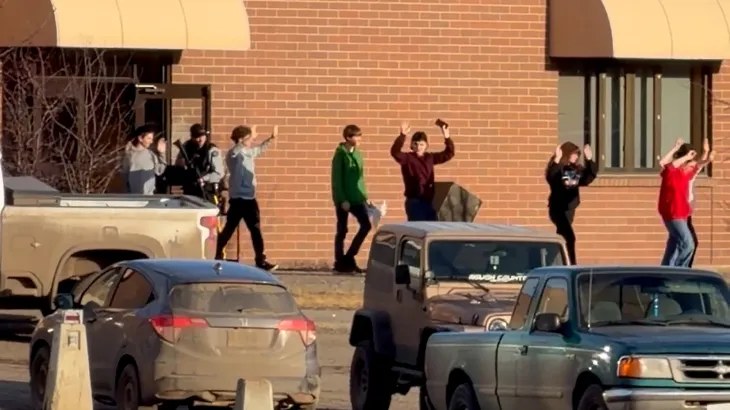
Violence in schools is among the most disturbing forms of crime because it affects places meant to be safe for learning and community life. In February 2026, a tragic mass shooting in Tumbler Ridge shocked Canada and drew international attention. The incident, which took place at a high school, resulted in multiple deaths and injuries and raised serious questions about safety, mental health, and prevention.
This article provides a complete, original, and legally responsible overview of the event, written in independent language for informational purposes. It does not reproduce or copy any original news content and relies on publicly reported facts and responsible analysis.
What Happened
According to official reports, a shooting occurred at a high school in Tumbler Ridge, British Columbia. Authorities confirmed that nine people were killed and more than two dozen others were injured. Law enforcement also reported that the suspected attacker, identified as a woman, died from a self-inflicted gunshot wound at the scene. Investigators stated that the motive was not immediately known at the time of reporting.
The scale of the attack led officials and media outlets to describe the incident as one of the worst mass shootings in Canada in recent history. The tragedy prompted emergency response teams, medical personnel, and law enforcement agencies to act quickly to secure the area, treat the injured, and begin an investigation.
Immediate Response and Emergency Efforts
When such incidents occur, emergency services follow established procedures. Police typically secure the location first to ensure that there is no continuing threat. Medical teams then prioritize treating the injured and transporting victims to hospitals. At the same time, investigators begin gathering evidence, interviewing witnesses, and documenting the scene.
In the Tumbler Ridge case, authorities worked to account for students and staff, notify families, and provide psychological support services. In school-related tragedies, trauma counseling becomes a crucial part of the response, as survivors and families often experience long-lasting emotional effects.
The Impact on the Community
Tumbler Ridge is a relatively small community, which can intensify the emotional impact of such an event. In smaller towns, schools often serve as central gathering places, and many residents know each other personally. As a result, the effects of violence extend beyond the immediate victims to the entire community.
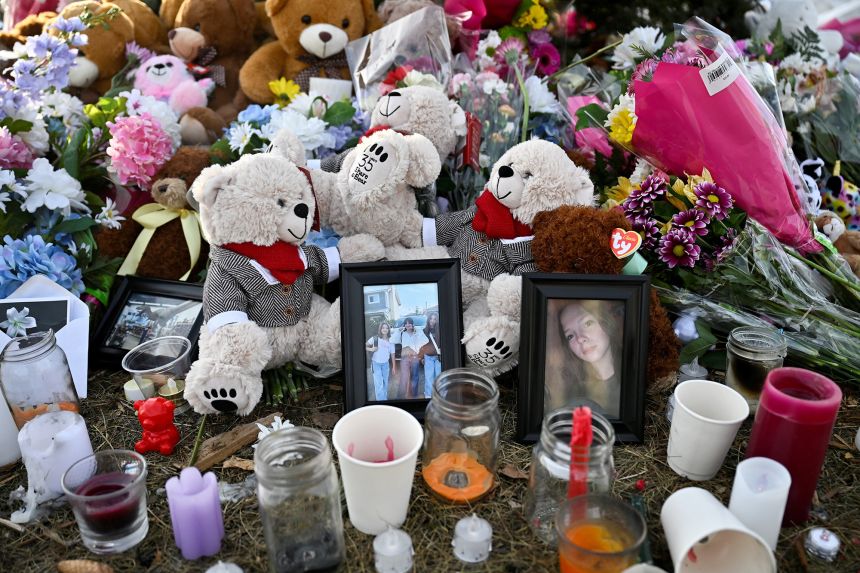
Memorial gatherings, counseling sessions, and public statements of solidarity often follow such tragedies. Community leaders typically emphasize unity and resilience while encouraging respectful remembrance of those who lost their lives.
The emotional toll on families and classmates can last for years. Survivors may struggle with grief, anxiety, and memories of the event, making long-term mental health support essential.
Investigating the Motive
One of the most difficult aspects of mass-violence investigations is determining motive. In many cases, investigators examine:
- Personal history of the attacker
- Social relationships and conflicts
- Digital communications and online activity
- Mental health history
- Possible ideological or personal grievances
In the Tumbler Ridge shooting, authorities initially reported that the motive had not been established. Determining motive often requires careful analysis and may take weeks or months, particularly when investigators must review large volumes of digital evidence.
Understanding motive is important not only for legal reasons but also for prevention efforts. Lessons learned from investigations can sometimes help authorities and institutions recognize warning signs earlier in the future.
School Safety and Prevention
Incidents like this often lead to renewed discussions about school safety. While Canada generally has lower rates of gun violence than many other countries, tragedies of this scale still occur and can spark national debate.
Common prevention strategies include:
- Threat assessment programs – Schools and law enforcement collaborate to identify potential risks early.
- Mental health support – Counseling and early intervention can help individuals in crisis.
- Security planning – Emergency drills, controlled entry points, and communication systems improve preparedness.
- Community awareness – Encouraging people to report concerning behavior responsibly.
Experts frequently emphasize that prevention requires cooperation among educators, families, health professionals, and law enforcement agencies.
Media Coverage and Public Responsibility
Mass shootings often receive widespread media coverage, which can help inform the public but also requires careful handling. Responsible reporting avoids speculation, respects victims’ families, and focuses on verified information rather than rumors.
Members of the public also play a role in ensuring that misinformation does not spread. Sharing unverified claims or graphic content can cause additional harm and distress to those affected.
Authorities typically urge people to rely on official statements and credible news organizations for accurate updates.
Legal and Ethical Considerations
When discussing violent incidents, it is essential to approach the subject responsibly and respectfully. Information should be based on confirmed facts rather than speculation. Investigations may continue long after initial reports, and details can change as new evidence emerges.
It is also important to avoid glorifying violence or focusing excessively on perpetrators. Ethical reporting prioritizes the experiences of victims and the broader societal lessons that can be learned.
In legal terms, investigations must follow established procedures, including evidence collection, forensic analysis, and official reporting. Even when a suspect dies at the scene, authorities still conduct thorough investigations to determine the full sequence of events and ensure transparency.
The Broader Issue of Mass Violence
Mass shootings, though relatively rare in many countries, have profound social and psychological consequences. Beyond the immediate loss of life, communities often face:
- Long-term trauma among survivors
- Increased fear and anxiety
- Economic and social disruption
- Policy debates about prevention and safety
Researchers and policymakers continue to study patterns of violence to better understand risk factors and develop prevention strategies. These efforts often involve collaboration between universities, public health agencies, and law enforcement organizations.
Remembering the Victims
In tragedies like the Tumbler Ridge shooting, the focus should remain on the people who lost their lives and those who were injured. Each victim had a family, friends, and a future that was suddenly taken away.
Communities often establish memorials, scholarships, or remembrance events to honor victims and ensure that their lives are not forgotten. Such efforts can also provide a sense of unity and healing.
Conclusion
The mass shooting in Tumbler Ridge stands as a painful reminder that even communities considered safe can face sudden acts of violence. While investigations seek to understand what happened and why, the priority remains supporting victims, helping survivors recover, and learning lessons that may help prevent similar tragedies in the future.
Incidents like this highlight the importance of community awareness, mental health support, responsible reporting, and continued research into the causes and prevention of mass violence. Though the impact of such events cannot be erased, understanding them can help societies respond more effectively and compassionately.
For More Information
For verified details and original reporting about this incident, see:
Read the original Al Jazeera report on the Canada school shooting