
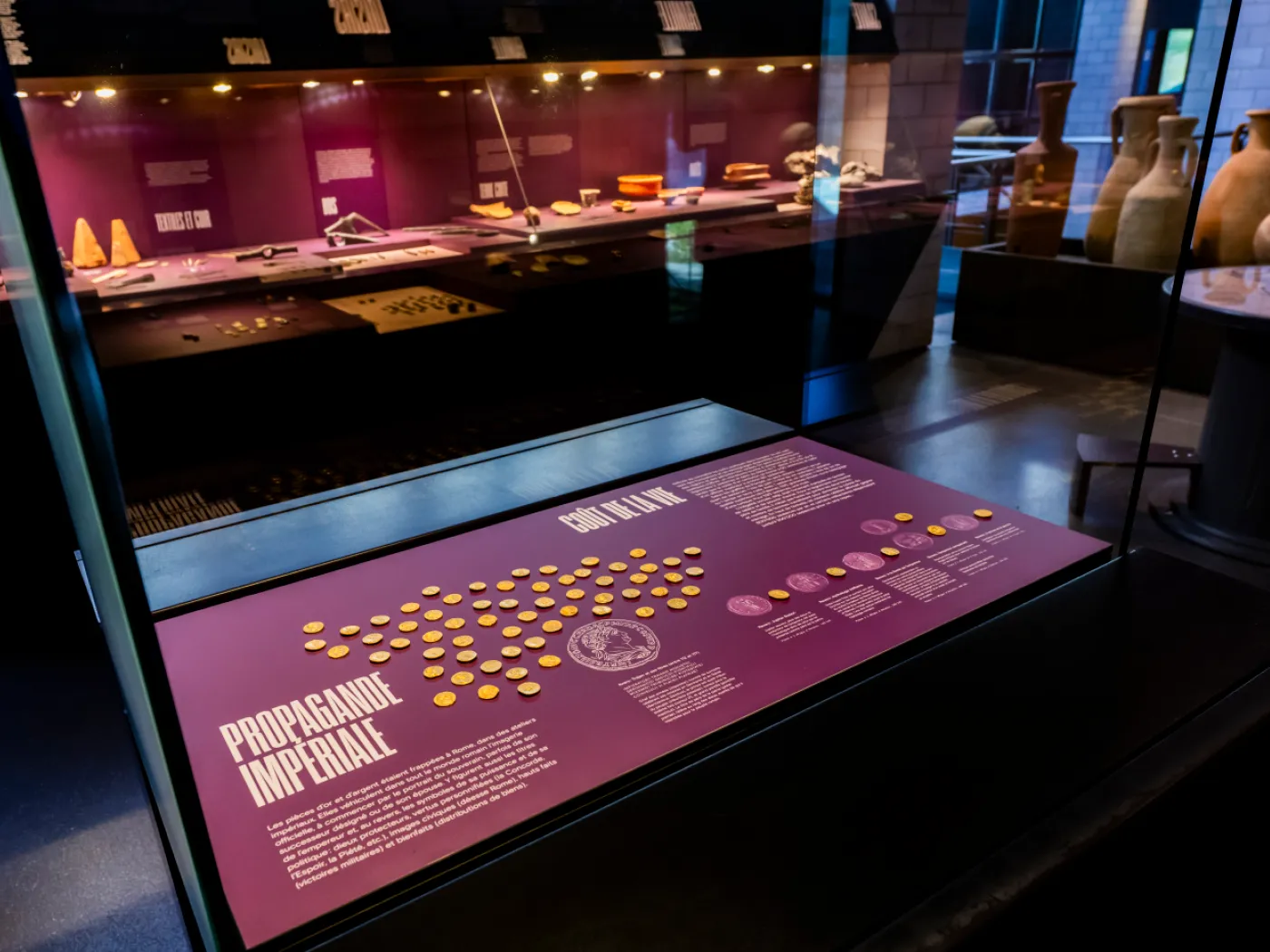
A major cultural crime has shaken Switzerland after dozens of ancient gold coins were stolen from the Roman Museum in Lausanne. The theft, which occurred during the evening closing hours, has raised alarms across the heritage preservation community and prompted a large-scale police investigation. These coins, valued not only for their material worth but also for their archaeological importance, represent significant historical evidence. Their disappearance has sparked concern among museum officials, law enforcement authorities, and researchers who specialize in ancient European history.
This article provides a comprehensive overview of the incident, ongoing investigations, and the broader implications of cultural theft in the modern world.
The Incident: How the Theft Unfolded
According to official reports, the robbery took place on a weekday evening as the museum was preparing to close. Only one staff member—a 64-year-old security guard—was on duty inside the facility at the time. Before committing the theft, two unidentified men entered the museum through normal visitor access by purchasing tickets. Nothing in their behavior initially raised any suspicion.
Shortly after entering, the men launched a sudden attack on the security guard. Although he was physically restrained, authorities report that he did not suffer serious injuries. Once the guard was subdued, the intruders proceeded to a protected glass showcase containing a selection of ancient Roman-style gold coins. Using force, they smashed the display case, seized an unspecified number of coins, and quickly fled the scene.
Once the attackers were out of sight, the guard managed to activate the museum’s security alarm. By the time police arrived, however, the suspects had already escaped.
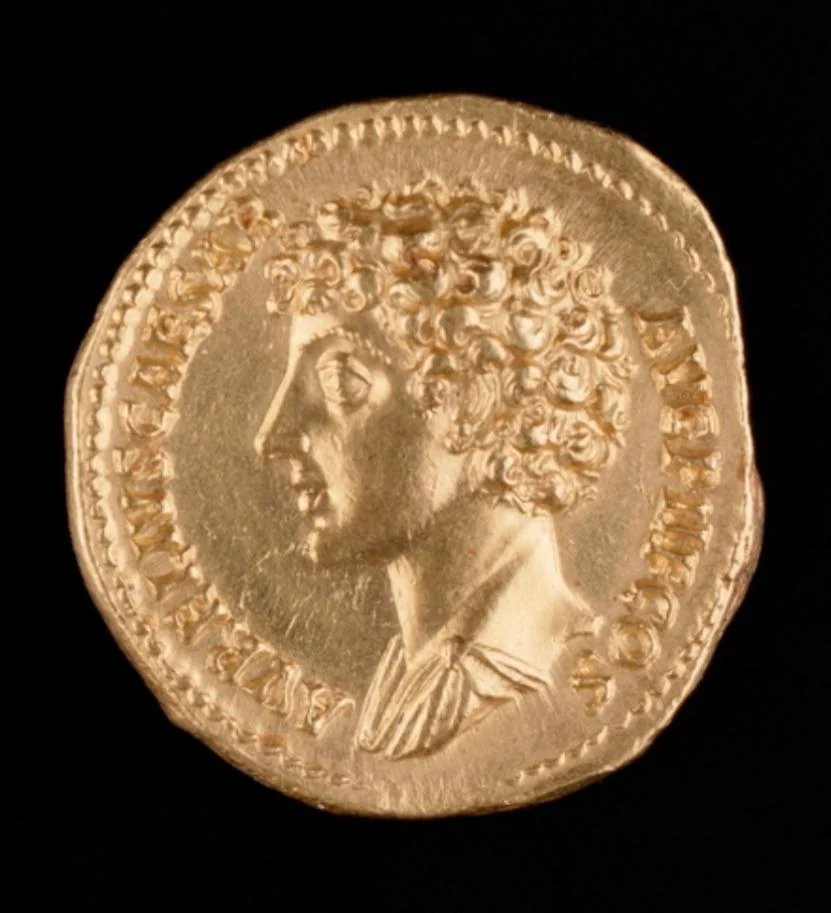
The stolen coins’ exact number remains under assessment as authorities conduct a full inventory. Investigators emphasize that the coins hold significant archaeological value, making their loss more than a matter of simple theft—they represent a missing part of European cultural history.
Immediate Police Response and Ongoing Investigation
Law enforcement authorities responded rapidly once the alarm was triggered. The Lausanne Police initiated an extensive investigation involving multiple branches of the municipal and regional police forces. Five municipal police teams were deployed to the scene, along with a canine search unit and a forensic investigation team.
A criminal case has been officially opened for robbery and property damage against unknown suspects. The crime scene was secured for hours as forensic specialists collected physical evidence, analyzed the damaged display case, and attempted to reconstruct the suspects’ movements inside the building.
The museum temporarily closed for a full day to allow uninterrupted investigative work. Staff members involved in or affected by the robbery were provided psychological support services, underscoring the seriousness of the incident and the stress experienced during the attack.
Authorities are currently reviewing security camera footage, analyzing digital evidence, and gathering witness statements. As of now, the thieves remain unidentified and at large.
Significance of the Stolen Artifacts
Although the coins’ financial value has not yet been publicly estimated, experts emphasize that their archaeological and historical importance outweighs any monetary evaluation. The stolen items are believed to be genuine Roman-era gold coins, or high-value Roman-style pieces with substantial heritage relevance. Such artifacts help historians understand economic systems, artistic techniques, and cultural exchanges within ancient Europe.
The loss of these coins therefore represents a disruption not only for the museum’s collection but also for researchers who rely on such items for ongoing historical studies.
Cultural heritage experts warn that once artifacts of this nature are stolen, they are often trafficked through black markets, making recovery extremely difficult. Many similar items disappear for decades—or forever—into private illegal collections.
A Growing Pattern of Cultural Theft Worldwide
The Lausanne robbery is part of a broader and alarming trend. In recent years, museums and cultural institutions across Europe and other parts of the world have reported increasing numbers of thefts targeting artifacts made from precious metals, ancient jewelry, and historically significant relics.
Such crimes are often conducted by organized groups who exploit vulnerabilities in museum security systems or take advantage of limited evening staffing. They use speed, intimidation, and strategic planning to carry out high-value thefts within moments.
Authorities caution that stolen cultural items are not easily sold in legitimate markets, pushing them into hidden networks of illicit trade. The ethical and historical loss is often far greater than the financial one.
The Lausanne incident highlights the urgent need for museums—especially smaller institutions—to reevaluate security protocols, update monitoring systems, and ensure that vulnerable staff members are adequately supported and trained for emergencies.
Legal and Ethical Implications
This theft underscores several critical issues:
-
Legal Enforcement
Police are now tasked with identifying the suspects, recovering the stolen artifacts, and ensuring that those responsible face criminal consequences. The severity of the crime—assault combined with theft of cultural property—carries significant legal penalties under Swiss law. -
Cultural Preservation
Protecting artifacts is a collective responsibility. These items are not merely museum decorations; they represent shared human heritage and invaluable evidence of past civilizations. -
Museum Security Challenges
Many museums struggle with staffing limitations and aging security infrastructure. This incident may encourage cultural institutions across Europe to reassess their vulnerabilities.
Conclusion
The theft of ancient gold coins from Lausanne’s Roman Museum is a deeply troubling event that resonates far beyond the boundaries of Switzerland. It reflects the challenges that modern cultural institutions face in safeguarding priceless artifacts and preserving history for future generations.
As the investigation continues, the hope remains that the stolen coins can be recovered before they vanish permanently into the illegal antiquities market. In the meantime, this incident stands as a sober reminder of the importance of robust museum security measures and the need for continued public awareness surrounding cultural preservation.
(For More Details)
CBS News – “Ancient gold coins stolen from museum after suspects overpower guard, Swiss police say”
https://www.cbsnews.com/news/gold-coins-stolen-roman-museum-switzerland-police/