
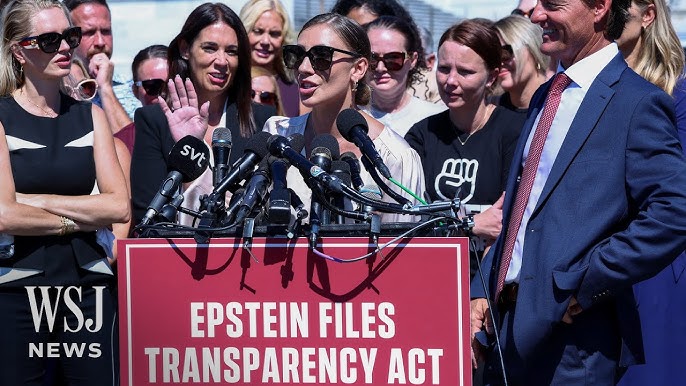
In December 2025, the U.S. Justice Department released a partial set of documents related to convicted sex offender Jeffrey Epstein under the Epstein Files Transparency Act. The release, intended to make public a vast collection of investigative materials, sparked widespread attention. While the move represented a step toward transparency, it also drew criticism from survivors, legal experts, and lawmakers who argued that the release was incomplete and insufficient. Among the most vocal critics was survivor Sharlene Rochard, who expressed concerns about the adequacy of the disclosure and the implications for justice.
This article examines the context, process, controversy, and reactions connected to the partial release of Epstein files, and why it matters from legal, social, and ethical perspectives.
Background: The Epstein Files Transparency Act
The Epstein Files Transparency Act, passed by the U.S. Congress in November 2025, mandated the Department of Justice (DOJ) to publish all unclassified records related to Epstein’s criminal investigations and prosecutions. The law required that these records, including court filings, memos, witness interviews, and investigative reports, be made publicly accessible within 30 days of the law’s enactment.
The legislation sought to ensure accountability and provide survivors and the public with access to documents that had remained largely confidential for years. The law also allowed for necessary redactions to protect victim privacy and ongoing investigations, balancing transparency with legal and ethical obligations.
The Partial Release and Its Limitations
By December 19, 2025, the DOJ released a portion of the documents. While the released files included grand jury transcripts, investigative reports, and certain photographs, large portions were heavily redacted or withheld entirely. DOJ officials explained that the volume of material, along with legal considerations regarding privacy and safety, required a phased approach to disclosure.
Shortly after the initial release, some files—including a photograph showing Epstein with a former U.S. president—were temporarily removed and later restored. This development heightened public scrutiny and fueled debates about the thoroughness and transparency of the release process.
The partial nature of the release has been at the center of controversy. Critics argue that the omissions and redactions prevent a full understanding of Epstein’s operations, networks, and the scope of his crimes. Survivors and advocates assert that complete transparency is necessary to provide justice, acknowledge the victims, and maintain public trust in the legal system.
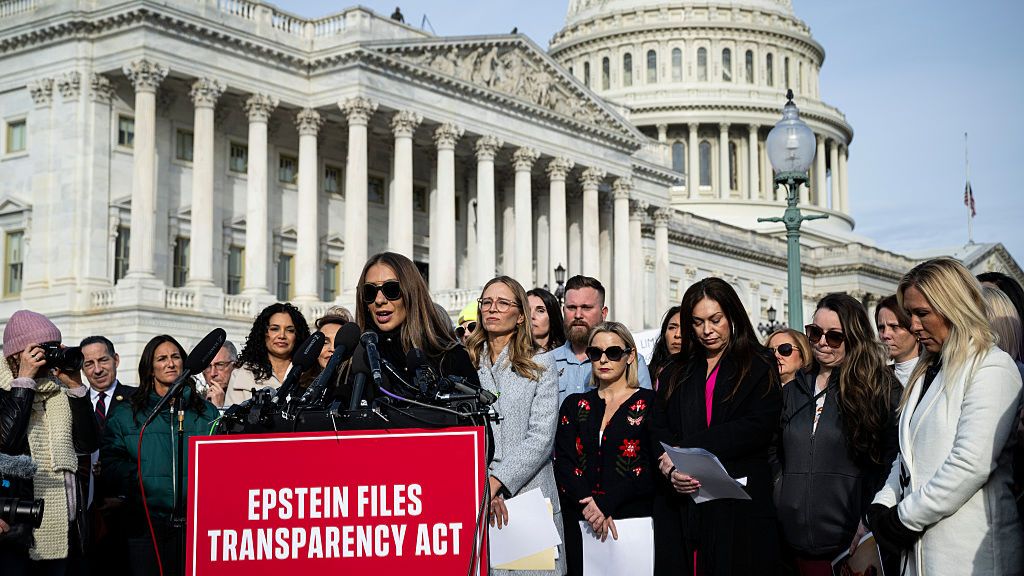
Survivor Reaction: Sharlene Rochard’s Critique
One of the most prominent voices criticizing the partial release is survivor Sharlene Rochard. She publicly stated that the DOJ’s partial disclosure was inadequate and failed to meet the intent of the transparency legislation. Rochard emphasized that only a full, unredacted release could ensure that survivors are recognized, that accountability is maintained, and that the public is fully informed about the scope of Epstein’s criminal activities.
Rochard’s critique also highlights the broader concerns of survivors who feel that incomplete disclosures limit the ability to hold responsible parties accountable and may leave questions unanswered about other individuals involved.
Political and Legal Implications
The partial release prompted debate among lawmakers and legal experts. Some members of Congress argued that the DOJ did not fully comply with the Epstein Files Transparency Act, citing missing documents and heavy redactions. Discussions emerged about potential oversight measures and the legal obligations of the DOJ to make all unclassified records accessible in a timely manner.
Legal experts note that the DOJ must balance compliance with transparency laws against obligations to protect victims’ identities, preserve ongoing investigations, and prevent undue harm. Nonetheless, critics contend that a phased or heavily redacted release undermines public confidence and may create the perception of selective disclosure.
Public Response and Media Coverage
The public and media reaction was mixed. On one hand, the release was hailed as a step toward accountability in a high-profile and controversial case. On the other hand, the extensive redactions, withheld pages, and the removal and restoration of certain files fueled skepticism and distrust.
Social media platforms saw a surge in discussions and debates, with many highlighting the gaps in the documents and questioning whether powerful figures connected to Epstein were being shielded from scrutiny. Investigative journalists, activists, and researchers began working to organize and analyze the released files, often highlighting the difficulty of navigating partially redacted documents.
The situation reflects a broader tension between transparency, privacy, and legal constraints in the disclosure of sensitive criminal records.
The Broader Importance of Transparency
The partial release underscores the critical role of transparency in high-profile criminal cases. Survivors and advocates argue that public access to complete records is not only a matter of legal compliance but also of ethical responsibility. Transparency helps validate survivor experiences, supports accountability, and fosters trust in the justice system.
At the same time, authorities face the challenge of protecting victims, preserving investigative integrity, and complying with privacy laws. Striking the right balance remains a complex and ongoing task, highlighting the importance of clear policies, careful planning, and public communication in sensitive cases.
Looking Ahead
The DOJ has indicated that additional files will be released as review and redaction processes are completed. Survivors, advocates, and lawmakers are likely to continue pressing for full disclosure to ensure accountability and transparency. The release process, along with public and legal scrutiny, will likely set a precedent for how sensitive criminal records involving high-profile offenders are handled in the future.
The ongoing discourse emphasizes that justice extends beyond legal outcomes; it also involves public acknowledgment, survivor validation, and institutional accountability.
Conclusion
The partial release of Jeffrey Epstein files by the U.S. Department of Justice highlights both progress and challenges in the pursuit of transparency and accountability. While the disclosure represents a legal step toward fulfilling statutory obligations, the extensive redactions and omissions demonstrate the difficulty of balancing transparency with privacy and safety concerns.
Survivors like Sharlene Rochard have made it clear that partial disclosures are insufficient for delivering justice. Their advocacy emphasizes the broader societal need for transparency, accountability, and ethical governance in handling sensitive criminal cases. As additional files are released and scrutiny continues, the Epstein files controversy remains a critical example of the intersection between law, ethics, and public trust.
References
-
CBS News Video – Sharlene Rochard on partial release:
https://www.cbsnews.com/video/epstein-survivor-sharlene-rochard-justice-department-partial-files-release-not-sufficient/ -
Reuters – DOJ restores Trump photo to public database of Epstein files:
https://www.reuters.com/world/us/justice-department-restores-trump-photo-public-database-epstein-files-2025-12-21/ -
Associated Press – DOJ defends partial release amid political criticism:
https://apnews.com/article/85450de690a7e17ebe208f30db49b68e -
Wikipedia – Epstein Files Transparency Act overview:
https://en.wikipedia.org/wiki/Epstein_Files_Transparency_Act -
AP News – Some Epstein files removed shortly after posting:
https://apnews.com/article/9290fcaad1cb6fcb1cbc1befabc01994