Introduction
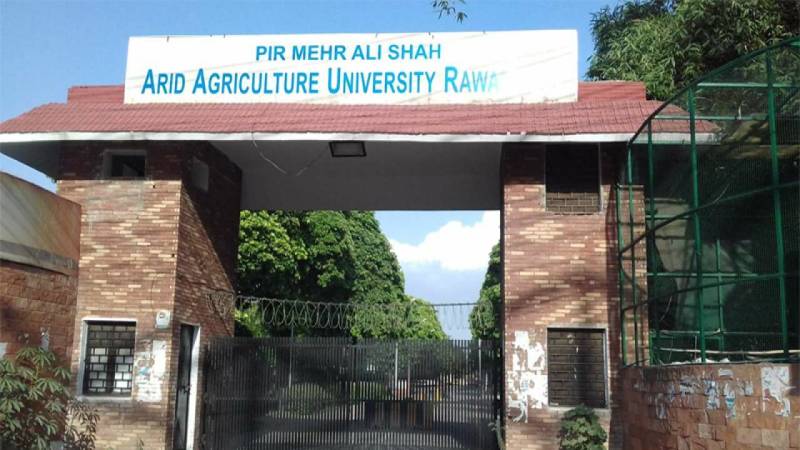
In a tragic incident that has left Pakistan in shock, Kinza, a bright and promising student at Agriculture University Rawalpindi, was brutally murdered by her cousin. The young student’s life was cut short when her cousin, Tayyab Idrees, allegedly poisoned her after she refused his marriage proposal. This chilling case has sparked outrage across the country, highlighting once again the vulnerability of women when it comes to forced marriage and domestic violence.
Who Was Kinza?
Kinza was not just another student; she represented ambition, resilience, and the hope of a better tomorrow. Friends and professors described her as hardworking and determined, focused on her studies in agriculture sciences. She dreamed of making her family proud, contributing to research, and becoming a role model for other young women in Pakistan. Sadly, her dreams were destroyed in a matter of hours.
The Events Leading to the Tragedy
According to reports, Kinza was traveling back to her hometown Jhang after completing academic activities in Rawalpindi. Her cousin, Tayyab Idrees, offered to accompany her. Unknown to Kinza, this journey was the beginning of her end.
Investigators revealed that Tayyab had been pressuring Kinza to marry him for months. She had clearly refused, stating her personal and educational priorities. Instead of respecting her decision, Tayyab’s rejection turned into rage. On the journey home, he allegedly attempted to sexually assault her and later poisoned her, leaving her to die in a helpless state.
Discovery of Her Body
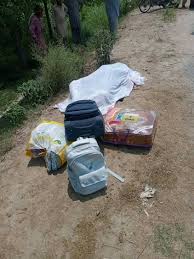
Kinza’s lifeless body was found abandoned near a roadside. The discovery shocked local residents, who immediately alerted authorities. Initially, the case appeared mysterious, but as evidence unfolded, it became clear that this was not an accident — it was a premeditated act of violence committed by someone she trusted.
The Police Investigation
Law enforcement agencies acted quickly. Phone call records, family statements, and witness accounts pointed to Tayyab Idrees. He was soon arrested and, under questioning, confessed to the crime.
Police reported that Tayyab admitted to poisoning Kinza as revenge for her refusal to marry him. His detailed confession revealed premeditation and cruelty, confirming that Kinza’s death was not an accident of passion but a carefully thought-out act.
The authorities registered a murder case, and Tayyab is currently behind bars awaiting trial. Police assured the public that all necessary evidence had been collected to ensure justice is delivered without delay.
Family’s Grief and Reaction
For Kinza’s family, the loss is unbearable. They described her as loving, respectful, and full of ambition. Parents who had high hopes of seeing their daughter graduate and build a successful career are now left grieving at the grave of their child.
Her family has demanded the harshest possible punishment for Tayyab, stating that betrayal from within the family makes the crime even more painful.
Community and Social Media Response
The case quickly gained attention on social media, where hashtags like #JusticeForKinza began trending. Activists, students, and ordinary citizens voiced their outrage, calling for accountability and systemic change.
Many emphasized that this was not just a crime against one girl but a reflection of a larger societal problem where women are often forced into marriages, harassed for exercising personal choice, and sometimes killed for rejecting suitors.
Human Rights and Women’s Protection Laws
Kinza’s case also highlights the legal protections available to women in Pakistan — laws that exist on paper but are often weak in implementation.
The Protection of Women (Criminal Laws Amendment) Act, 2006 was introduced to safeguard women against harassment, forced marriage, and violence.
Section 375 & 376 of the Pakistan Penal Code criminalize rape and sexual assault, with strict punishments for offenders.
The Criminal Law (Amendment) Act, 2016 makes it illegal for families to force women into marriage, especially in cases of revenge or compensation (known as wanni or swara).
The Anti-Honor Killing Laws (2016) closed loopholes that previously allowed perpetrators of “honor crimes” to escape justice through forgiveness by family members.
Domestic Violence (Prevention and Protection) Acts exist in provinces like Punjab, Sindh, and Balochistan, aiming to provide women legal recourse in cases of abuse.
Despite these protections, rights groups argue that the lack of awareness and slow judicial processes mean victims often remain unprotected. Kinza’s case is a reminder of the gap between law and implementation.
Government and Law Enforcement Role
The Punjab government has taken note of the case, assuring the public that justice will be served. Police have promised a strong prosecution so that the culprit faces full punishment under the law.
However, critics argue that Pakistan has seen countless cases like this where initial promises fade over time, and justice is delayed or denied. To restore faith in the system, the government must ensure that Kinza’s case does not become another forgotten statistic.
A Broader Social Issue
Kinza’s murder is not an isolated incident. Across Pakistan, there are numerous cases of women being attacked or killed for refusing marriage proposals. According to human rights watchdogs, “honor-based crimes” and “revenge killings” remain prevalent despite awareness campaigns.
Experts believe that changing the mindset of society is as important as strengthening the legal system. Education, empowerment of women, and strict punishment for offenders are essential to breaking this cycle of violence.
Frequently Asked Questions (FAQs)
1. Who was Kinza?
Kinza was a student at Agriculture University Rawalpindi, known for her academic dedication and ambition. She came from Jhang and aspired to build a successful career in agricultural sciences.
2. Who is the accused in the case?
The main suspect is Tayyab Idrees, Kinza’s cousin. He allegedly killed her after she refused his marriage proposal.
3. How was Kinza murdered?
According to police reports, Tayyab poisoned Kinza during their travel back to Jhang. He allegedly attempted to assault her and later abandoned her body near a roadside.
4. Has the suspect been arrested?
Yes. Tayyab Idrees was arrested shortly after the incident. He reportedly confessed to the crime during interrogation.
5. What legal charges is he facing?
The police have registered a murder case, and Tayyab may be charged under Section 302 of the Pakistan Penal Code, which carries the death penalty or life imprisonment.
6. What laws protect women from forced marriage in Pakistan?
Pakistan has several legal frameworks to protect women:
-
The Criminal Law (Amendment) Act, 2016 — prohibits forced marriage.
-
Anti-Honor Killing Laws (2016) — prevents killers from escaping punishment through family pardons.
-
Domestic Violence Prevention Acts — implemented across multiple provinces.
However, implementation remains weak, which is why such crimes continue.
7. Why has this case gained public attention?
The case gained traction because:
-
The accused was a family member, highlighting betrayal from within.
-
It reflects the wider issue of women being punished for exercising choice.
-
Social media campaigns like #JusticeForKinza amplified public outrage.