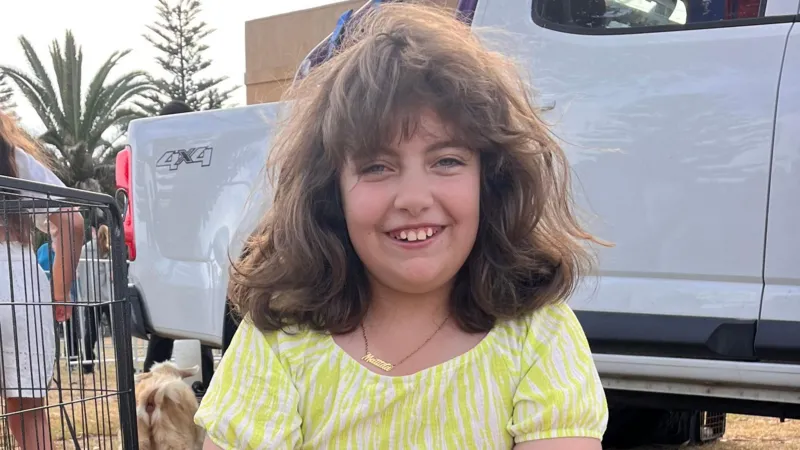
The death of a child in an act of public violence leaves a wound that extends far beyond the immediate family. It shakes communities, challenges national conversations about safety, and forces societies to confront uncomfortable truths about vulnerability in shared public spaces. The killing of a 10-year-old child during the Bondi incident in Sydney has become one such moment—one that has prompted grief, reflection, and a renewed call for collective responsibility.
According to publicly reported accounts, the child was the youngest known victim of the Bondi attack. While investigations and legal proceedings continue, her loss has been deeply felt across Australia and beyond. Family members have described her as a joyful, kind-hearted child, full of life and promise. These personal reflections have transformed what might otherwise be a statistic into a human story—one that resonates powerfully with parents, educators, and communities worldwide
A Life Remembered, Not Reduced to a Number
In the aftermath of violent incidents, public attention often focuses on suspects, motives, and security failures. While these discussions are necessary, they can unintentionally overshadow the lives of those who were lost. In this case, the child’s family has chosen to speak about who she was, rather than how she died.
Relatives have spoken of her warmth, her curiosity, and her ability to bring happiness to those around her. She was described as a “beautiful soul,” a phrase that has since echoed across media coverage and public tributes. These words reflect not only personal grief but also a desire to ensure that her memory is rooted in love rather than violence.
For many, this has been a reminder that every victim of such tragedies had a life filled with ordinary moments—school days, friendships, dreams—that were abruptly taken away. Honouring these lives means acknowledging their individuality and humanity, not allowing them to fade into anonymity.
The Impact on Family and Survivors
The emotional toll on families who lose a child in such circumstances is immeasurable. Grief is compounded by shock, public attention, and the sudden loss of a sense of safety. In this case, family members have had to navigate private mourning while their loss became a matter of national and international news.
Surviving relatives and witnesses also face long-term psychological consequences. Children who witness violence, or who lose siblings and friends, are particularly vulnerable to trauma. Mental health professionals emphasize the importance of early and sustained support, not only for immediate family members but also for broader circles affected by the event.
The Bondi community, like many others touched by violence, has responded with vigils, messages of condolence, and acts of solidarity. These gestures, while they cannot undo loss, play a vital role in helping individuals feel less alone in their grief.
Public Spaces and the Question of Safety
The incident has reignited discussions about safety in public spaces. Bondi is widely known as a place of leisure, tourism, and family activity. Events that occur in such settings are particularly disturbing because they challenge the assumption that public areas are inherently safe.
Authorities have reiterated their commitment to public safety, emphasizing ongoing reviews of security measures and emergency response protocols. At the same time, experts caution against oversimplified solutions. Public safety is a complex issue that involves law enforcement, social services, mental health systems, and community awareness working together.
Importantly, policymakers have stressed the need to avoid reactionary responses that could infringe on civil liberties or stigmatize communities. Instead, the focus has been on evidence-based strategies that reduce risk while preserving the openness that defines public life.
Media Responsibility and Ethical Reporting
The coverage of incidents involving children requires particular care. Ethical journalism seeks to inform the public without exploiting grief or sensationalizing tragedy. In this case, much of the reporting has centred on respectful remembrance, allowing family members to define how their loved one is portrayed.
This approach has sparked broader conversations about media responsibility. Audiences increasingly expect reporting that balances factual accuracy with compassion, especially when minors are involved. The way this story has been told has, for many, set a standard for how sensitive topics can be handled with dignity.
A Catalyst for Reflection and Change
Tragedies involving children often become catalysts for societal reflection. They prompt questions about how communities care for one another, how warning signs are addressed, and how support systems can be strengthened to prevent future harm.
In the wake of the Bondi incident, community leaders and advocacy groups have emphasized the importance of early intervention, mental health awareness, and accessible support services. While no single measure can guarantee prevention, a coordinated approach can reduce risks and improve outcomes.
Educational institutions, too, have a role to play. Helping children understand safety, emotional resilience, and how to seek help when they feel unsafe is part of building long-term community resilience. Equally important is ensuring that parents and caregivers have access to resources that support open communication and emotional wellbeing.
Grief, Solidarity, and Hope
While the loss of a child is an irreversible tragedy, the collective response to such events can shape their long-term impact. The outpouring of support following the Bondi incident has demonstrated the power of community solidarity. Strangers have come together to mourn, to comfort, and to reaffirm shared values of compassion and care.
For the family, remembrance is an act of love and resistance—resistance against allowing violence to define their child’s legacy. By speaking about her kindness and joy, they have ensured that her memory contributes something meaningful to the world, even in the face of profound loss.
Conclusion
The death of the youngest victim in the Bondi tragedy is a stark reminder of life’s fragility and the far-reaching consequences of violence. It underscores the need for responsible governance, ethical media practices, strong community support systems, and ongoing dialogue about public safety.
Above all, it reminds us that behind every headline is a human story. Remembering the child not only as a victim, but as a cherished individual, is an act of respect and humanity. As communities continue to grieve and reflect, the hope remains that such losses will inspire greater care, vigilance, and compassion—ensuring that the memory of a “beautiful soul” leads to meaningful efforts to protect others in the future.
References
-
Sky News – 10-year-old Bondi victim described as a “beautiful soul” by aunt
https://news.sky.com/video/10-year-old-bondi-victim-a-beautiful-soul-say-aunt-13484636 -
Sky News – Coverage of the Bondi incident and community response
https://news.sky.com -
Australian Government – Public safety and community resilience resources
https://www.australia.gov.au -
Beyond Blue – Trauma, grief, and mental health support in Australia
https://www.beyondblue.org.au