
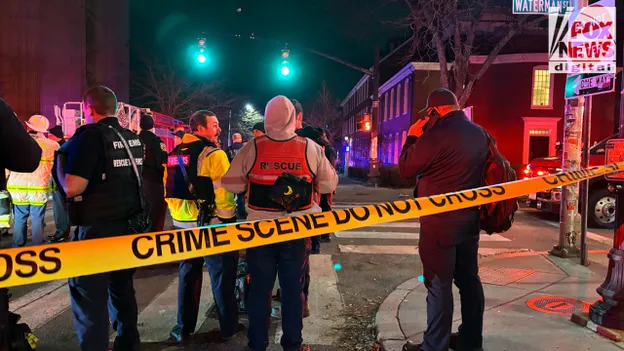
University campuses are often seen as safe havens for learning, intellectual exploration, and community life. When violence disrupts these spaces, the emotional and psychological impact can be profound and long-lasting. A recent incident at Brown University, where students were forced to barricade themselves inside a library during an active shooting situation, highlights the growing concerns around campus safety, emergency preparedness, and the lived experiences of students during moments of crisis.
This article examines the incident from a broader, factual, and responsible perspective, focusing on what such situations reveal about campus security, emergency response systems, and the resilience of students caught in sudden danger.
The Nature of the Incident
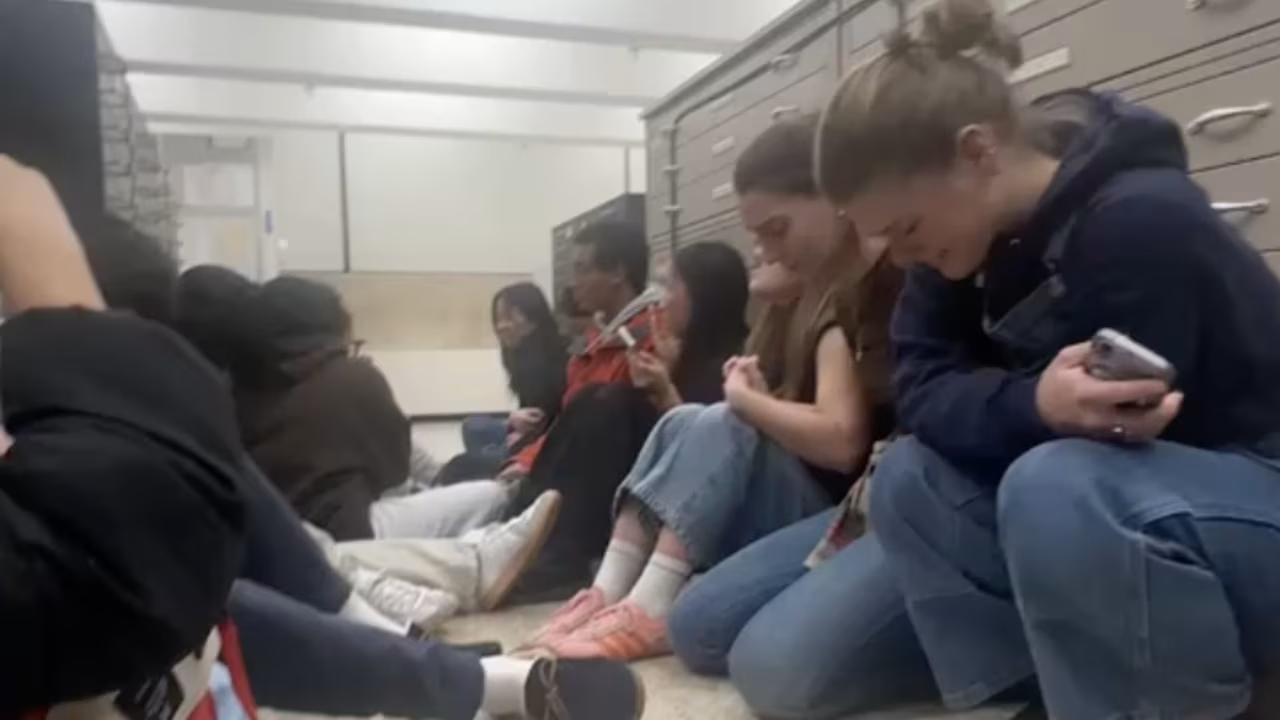
During what initially appeared to be a normal academic day, reports of gunfire near Brown University’s campus triggered an immediate emergency response. As alerts spread rapidly, students and faculty were instructed to shelter in place. For many inside the campus library, this meant quickly barricading doors, turning off lights, silencing phones, and remaining as quiet as possible.
Libraries, designed for openness and accessibility, are not typically equipped for lockdown scenarios. Students improvised by stacking furniture, securing entrances, and seeking cover in restrooms or interior spaces. The uncertainty of the situation—combined with limited real-time information—created a tense and frightening environment.
Although law enforcement eventually secured the area and escorted individuals to safety, the hours spent waiting left a deep impression on those involved.
Student Experiences During Lockdown
Accounts from students inside the library paint a picture of fear mixed with cooperation and instinctive survival behavior. Many described the emotional shock of realizing that the threat was real and nearby. The sudden shift from studying or socializing to hiding silently underscored how quickly ordinary routines can be disrupted.
Students reported relying heavily on peer support. Strangers reassured one another, shared limited information, and worked together to remain calm. In the absence of visual confirmation of danger, every sound became a source of anxiety. The prolonged waiting period intensified stress, particularly for those unsure whether friends or classmates were safe elsewhere on campus.
Such experiences are not easily forgotten. Even after physical safety was restored, the psychological effects lingered, including heightened anxiety, difficulty concentrating, and emotional exhaustion.
Emergency Response and Law Enforcement Action
Campus police and local law enforcement responded rapidly once reports of the shooting emerged. Officers secured buildings, cleared rooms, and conducted systematic searches to ensure there was no ongoing threat. In the case of the library, authorities eventually breached secured doors to safely evacuate those sheltering inside.
Emergency alerts played a critical role in guiding student behavior. While some students praised the clarity and urgency of the messaging, others noted gaps in information during the prolonged lockdown period. These mixed reactions highlight the challenges institutions face in balancing speed, accuracy, and public safety during unfolding crises.
The successful evacuation without further harm demonstrated effective coordination among emergency responders. However, the incident also raised questions about preparedness, communication, and infrastructure design in academic settings.
Broader Implications for Campus Safety
Incidents like this one contribute to an ongoing national conversation about safety in educational institutions. Universities must now plan not only for academic excellence but also for crisis response in an era where violent threats are an unfortunate reality.
Key considerations include:
-
Emergency Communication Systems: Timely, clear, and consistent alerts are essential. Students rely on these systems to make life-saving decisions.
-
Building Design: Open spaces like libraries may need adaptable security features that do not compromise accessibility but allow for rapid lockdown when necessary.
-
Training and Drills: Regular safety drills can help students and staff respond more effectively under pressure.
-
Mental Health Support: Post-incident counseling and psychological services are crucial for recovery.
The Brown University incident serves as a reminder that preparedness extends beyond physical security measures—it includes emotional resilience and community trust.
Psychological Impact on Students
The emotional aftermath of barricading during an active threat cannot be understated. Even when no injuries occur, the experience can lead to trauma-related symptoms. Universities increasingly recognize the importance of offering counseling services and creating spaces for students to process what they experienced.
Students who were directly involved may struggle with feelings of vulnerability, disrupted sleep, or fear of returning to the same spaces. Transparent communication from university leadership and visible support services can help rebuild a sense of safety and normalcy.
Institutional Responsibility and Accountability
Universities hold a responsibility to continuously evaluate and improve their safety protocols. This includes reviewing response times, communication effectiveness, and coordination with local authorities. Transparency following such incidents is essential to maintaining trust within the campus community.
While no system can eliminate risk entirely, proactive planning and honest assessment can significantly reduce harm and improve outcomes during emergencies.
Conclusion
The barricading incident at Brown University’s library was a sobering reminder that moments of crisis can unfold anywhere, even in places dedicated to learning and growth. The students’ ability to work together under pressure, combined with effective law enforcement response, prevented further tragedy.
However, the incident also underscores the need for ongoing dialogue about campus safety, mental health support, and emergency preparedness. By learning from these events, educational institutions can better protect their communities and foster environments where students feel secure—not only physically, but emotionally as well.