
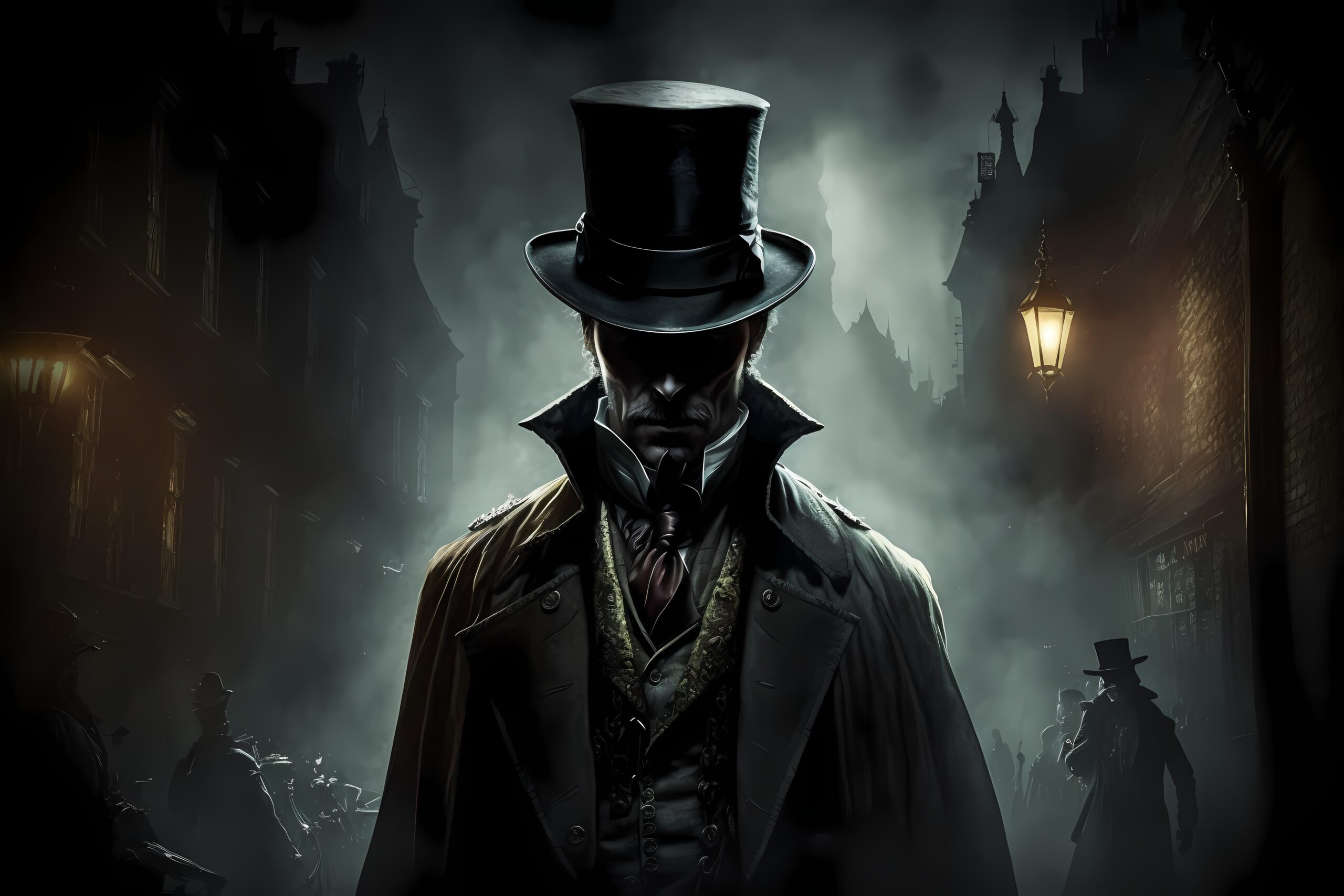
When it comes to real-life mysteries, few stories are as creepy or long-lasting as that of Jack the Ripper. More than a hundred years after his crimes shocked Victorian London, people are still captivated by the mystery that doesn’t have a clear answer. Books, documentaries, online forums, and podcasts keep the story alive, drawing in crime fans and historians alike.
Jack the Ripper is the nickname given to an unidentified serial killer who carried out a series of brutal murders in Whitechapel, London, in 1888.
Over a few terrible months, five women—Mary Ann Nichols, Annie Chapman, Elizabeth Stride, Catherine Eddowes, and Mary Jane Kelly—were killed in violent and horrifying ways. These women, known today as the “canonical five,” were all poor and lived in difficult conditions. Most worked as sex workers, making them easy targets in a time when society didn’t protect them.
What made the Jack the Ripper murders especially shocking was the extreme violence and the way the bodies were cut up with unsettling precision.
Many people think the killer had some medical or anatomical knowledge—maybe a surgeon, butcher, or someone who had experience with dissection. Despite a large police investigation, with hundreds of interviews and lots of media attention, Jack the Ripper was never caught.
The press played a big role in making the legend grow.
During the murders, a letter signed “Jack the Ripper” was sent to a news agency. While many experts think the letter was a fake, the name stuck and turned the killer into a dark symbol of crime history.
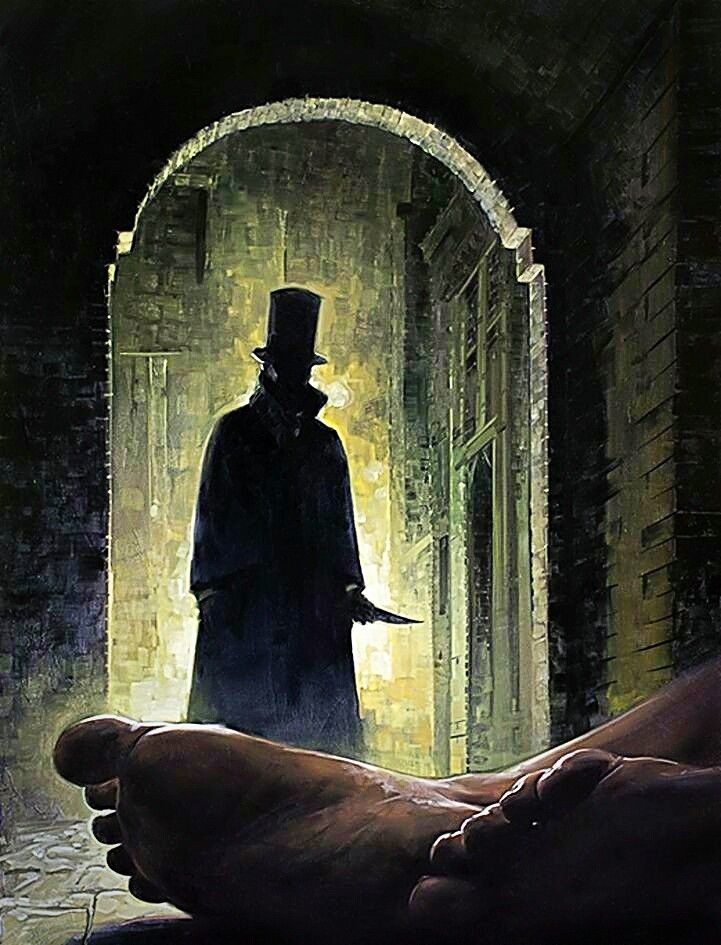
TO FIND JACK THE RIPPER
Since then, people have been trying to figure out who Jack the Ripper really was.
Suspects have included ordinary criminals, famous historical figures, and even members of the British royal family. Some modern theories use DNA analysis from items found at the crime scenes, but the results have not been clear. With very little hard evidence left, it’s probably that the real identity of London’s most infamous killer will never be known.
The Ripper murders weren’t just acts of violence—they also reflected the deep social inequalities and the struggles of London’s poorest citizens during the Victorian period. The victims were real people, not just names in newspapers. Their lives and tragic deaths bring attention to the dangers and lack of support that many women faced during that time.
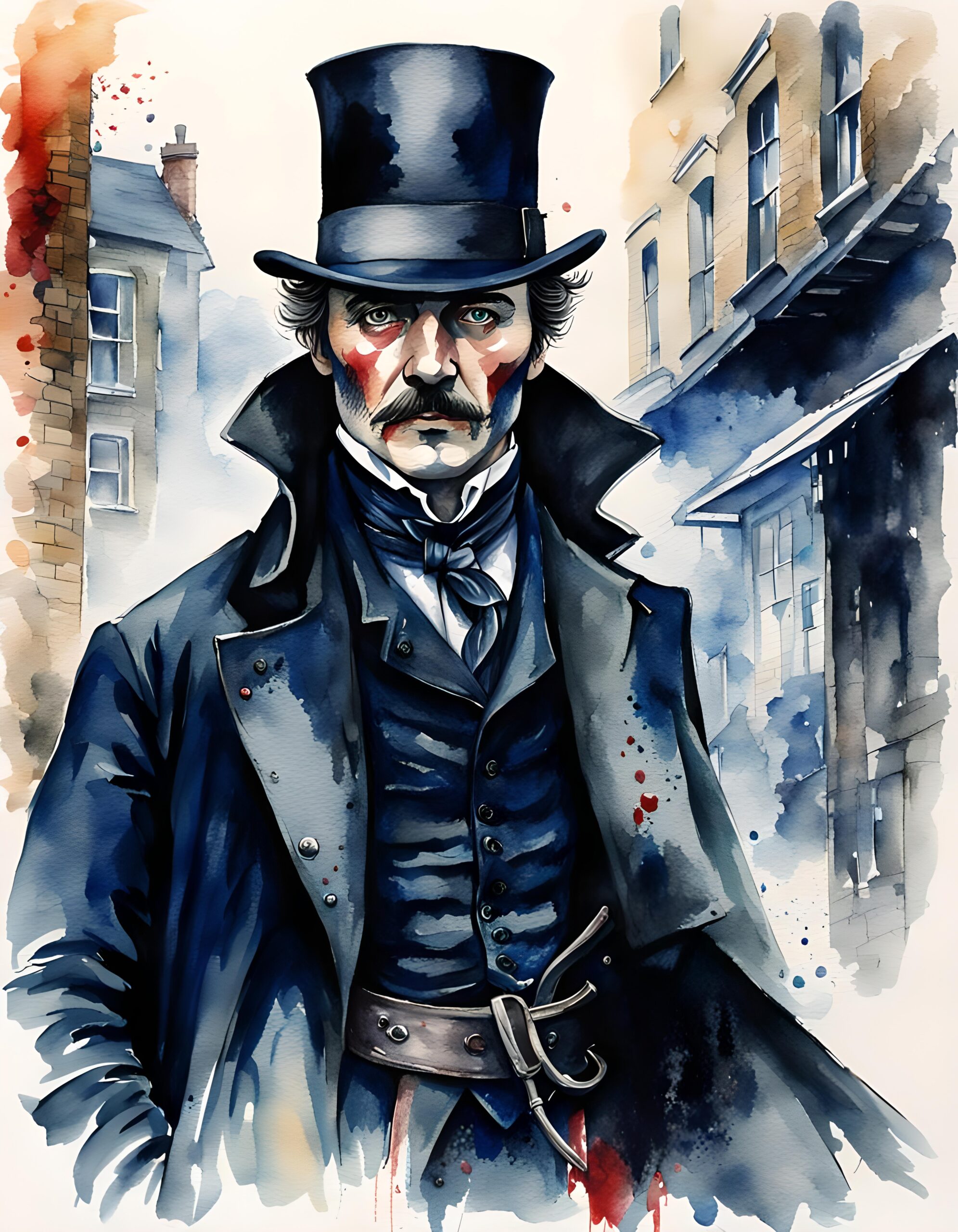
Today, Jack the Ripper’s story is more than just a mystery—it’s a reflection of a darker time in history, both in terms of crime and social injustice.
Whether you’re into true crime, interested in history, or drawn to unsolved cases, the legend of Jack the Ripper keeps people fascinated around the world.