
Every country carries hidden scars in its past, and Pakistan is no exception. When we trace the Pakistan crime history, we see much more than individual tragedies — we see organized crime networks, financial scandals, and violence that influenced society for decades. These crimes are not only stories of lawbreakers but also reflections of how politics, poverty, and power shaped the justice system.

The Rise of Dacoits and Bandits
In the 1970s and 1980s, rural areas of Sindh and Punjab saw a terrifying rise in dacoits (bandits). Groups like the notorious Chotu Gang held villages hostage, robbing travelers and spreading fear. This period became an unforgettable chapter in Pakistan crime history, where law enforcement often struggled against well-armed groups. Even today, banditry in some areas remains a problem, showing how crime has evolved but never completely disappeared.

The Karachi Mafia and Gang Wars
Urban violence also dominates the crime history of Pakistan. Karachi, once known as the “city of lights,” became infamous for its gang wars in the 1990s. Powerful groups fought for control over neighborhoods, businesses, and even political influence. Extortion, targeted killings, and drug smuggling were everyday realities for citizens. These gang wars left deep scars on the nation’s memory, making Karachi one of the most crime-affected cities in South Asia during that time.

Smuggling and Drug Trafficking
Another dark element in Pakistan crime history is the rise of smuggling and drug trafficking. Due to its geographical location, Pakistan became a major route for narcotics in the 1980s and 1990s. The “heroin trade” not only fueled organized crime but also led to addiction crises in local communities. From smuggled goods on the Afghan border to weapons flooding local markets, this era reshaped how crime was seen at both local and international levels.

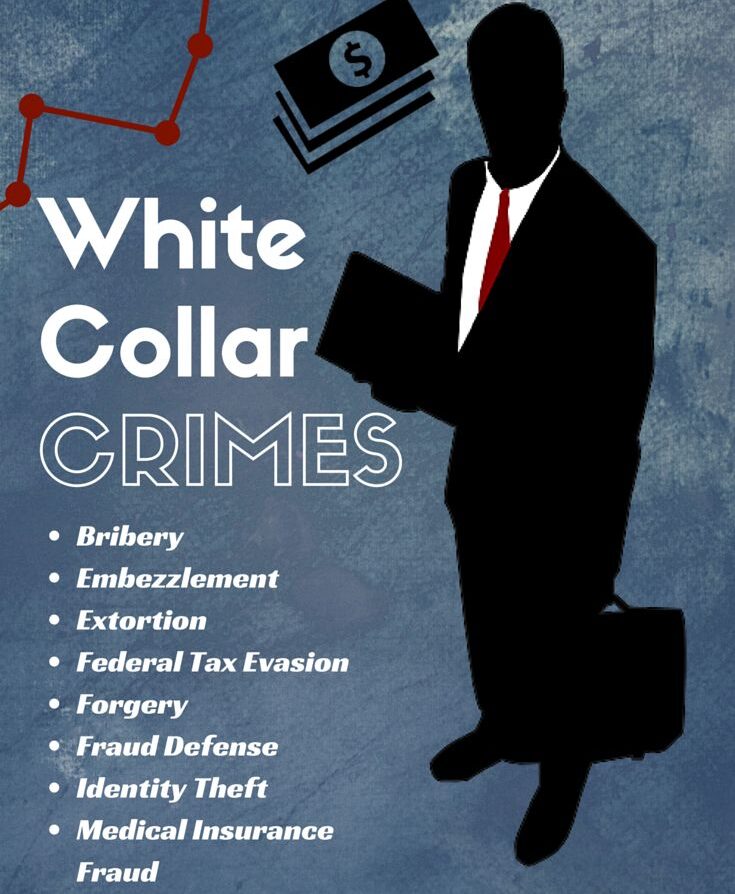
Corruption and White-Collar Crimes
Not all crimes involve violence. Corruption scandals also hold a major place in the history of crime in Pakistan. From financial embezzlements to misuse of political power, these cases weakened public trust in institutions. Mega scams like cooperative scandals, fake degree rackets, and money laundering cases exposed how crime operates not only on streets but also in boardrooms.
Riots and Sectarian Violence
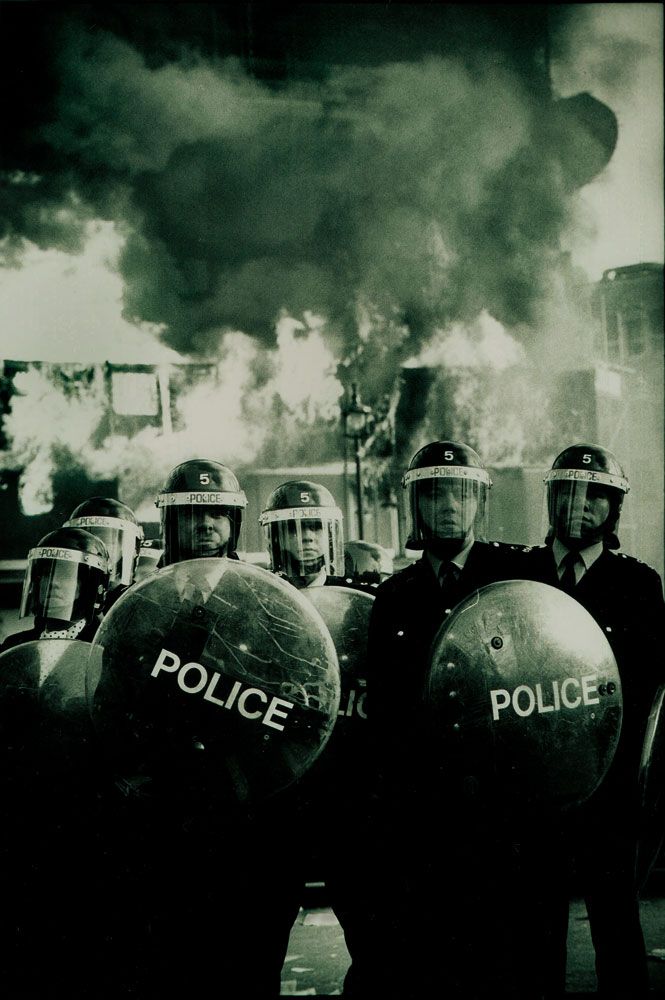
Another painful chapter in Pakistan crime history is sectarian violence. Clashes between groups, riots, and targeted attacks have left thousands dead over decades. These incidents were not only crimes against individuals but crimes against the nation’s peace and unity. They show how deeply crime can be connected with social and political tensions.
Learning from the Past: The Pakistan crime history reveals that crime in the country has taken many shapes — from dacoits in rural areas to white-collar criminals in powerful offices. Each case teaches us that crime is not just about individuals but about systems, conditions, and loopholes that allow such acts to thrive .Understanding these dark chapters is important, because without learning from them, Pakistan risks repeating the same mistakes.