
Scammers:
When people think of scams, they often recall big names like Bernie Madoff or Enron. Yet, history is filled with lesser-known scam operations worldwide that quietly robbed people, shook communities, and left scars of mistrust. Unlike headline-making frauds, these scams often hid in plain sight, targeting ordinary people who never saw it coming. Let’s explore ten such lesser-known yet fascinating cases.
1-The Phantom Gold Mine (Canada, 1890s)
In Canada’s Yukon region, ambitious investors were lured into a fake gold mine scheme. Promoters claimed vast reserves of gold, sold shares, and staged fake discoveries. When the truth came out, thousands had already invested their life savings. The scam not only ruined families but also became a classic example of how greed blinds reason.

2-The Nigerian Letter Evolution (1980s–2000s)
We’ve all heard of “Nigerian Prince” emails, but the early versions were far more personal. Scammers sent handwritten letters promising inheritances, asking victims for “processing fees.” Many people, trusting strangers, mailed real money overseas. While email scams made this fraud famous, its paper-based beginnings remain less known and surprisingly successful.

3-The Wine Fraud of Rudy Kurniawan (USA, 2000s)
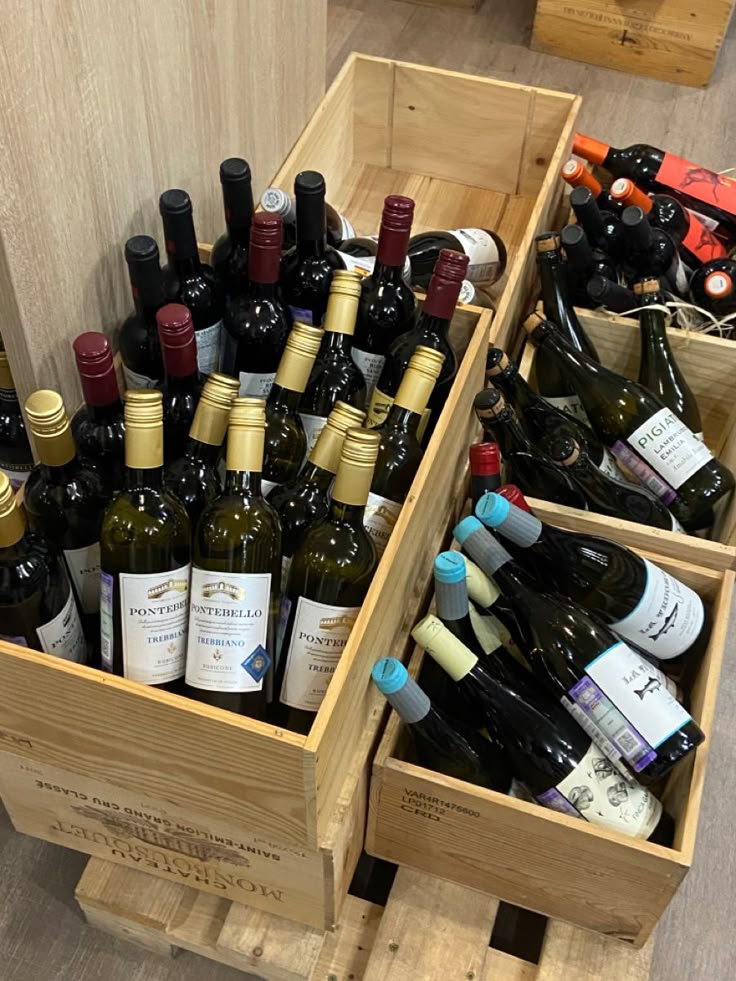
Rudy Kurniawan, an Indonesian-born wine collector in the United States, fooled billionaires by selling counterfeit vintage wines. He blended cheap wines, placed them in old bottles, and forged labels. Wealthy collectors, eager for rare finds, paid millions. This scam revealed how even elites could fall victim to deception when status symbols are involved.
4-The Eiffel Tower Sale (France, 1925)
Con artist Victor Lustig famously managed to “sell” the Eiffel Tower — not just once, but twice. He convinced scrap dealers the French government was secretly auctioning the landmark for metal. Using fake documents and official-looking seals, he pocketed thousands before escaping. While the Eiffel Tower scam is mentioned in crime circles, it’s still not widely known among ordinary people.
5-The Great Salad Oil Swindle (USA, 1963)
Anthony “Tino” De Angelis pulled off a scam worth hundreds of millions by inflating tanks of soybean oil with water and convincing banks he owned massive reserves. The fraud caused financial institutions to collapse and shook Wall Street. Though overshadowed by later scandals, this “salad oil” trick remains one of the most damaging scams in U.S. history.
6-The Spanish Prisoner Scam (1800s)
This scam, centuries old, was the ancestor of modern advance-fee fraud. Conmen would claim a wealthy man was unjustly imprisoned in Spain, offering huge rewards if someone helped pay for his release. Victims, motivated by greed and pity, never saw returns. Few people know it still influences modern fraud schemes today.

7-The Madoff of India: Harshad Mehta (1990s)
Before global financial scams grabbed attention, India faced its own market deception. Harshad Mehta manipulated banking loopholes to inflate stock prices, making himself a symbol of sudden wealth. Ordinary investors poured money in, only to lose everything when the scheme collapsed. For many Indians, it became a cautionary tale about blind trust in booming markets.
8-The Bulgarian Lottery Trick (1990s)
In Bulgaria, organized fraudsters manipulated national lottery systems by gaining insider access to ticket printing. For years, they won jackpots under fake identities. The public suspected foul play, but few dared to speak up against state-linked corruption. It wasn’t until much later that the truth was revealed, shocking citizens who believed in fair luck.
9-The Salad Scam of Europe (2000s)
In Europe, supermarkets discovered that they had been paying inflated prices for “organic” salads supplied by fraud rings. Farmers falsely labeled cheap produce as organic, securing government subsidies and charging premium prices. Customers paid extra for health benefits that never existed. This scam highlights how even food on our tables can be part of deception.

10-The Ghost Investment Clubs (Worldwide, 2010s)
One of the most recent but lesser-known scams involved online “investment clubs” promising high daily returns through forex and crypto trading. Victims joined via WhatsApp or Facebook groups, pooling money they thought was being invested. In reality, scammers vanished once funds reached a certain level. The online nature made it hard for authorities to trace.
Lessons from These Scams
What makes these less known scam operations worldwide so dangerous is their ability to appear harmless, even trustworthy, until it’s too late. Unlike massive frauds that make headlines, these scams often hide in local communities, small industries, or emerging markets.
Key takeaways:
*Greed and desperation are the biggest weaknesses scammers exploit.
*Scams adapt with technology—from handwritten letters to WhatsApp groups.
*Both ordinary people and elites can be victims.
Final Thought
Fraudsters thrive in the shadows of ignorance. The more we study these scams, the stronger our defenses become. As Victor Lustig, the man who “sold” the Eiffel Tower, once boasted:
“The world desires to be deceived, so let it be deceived.”