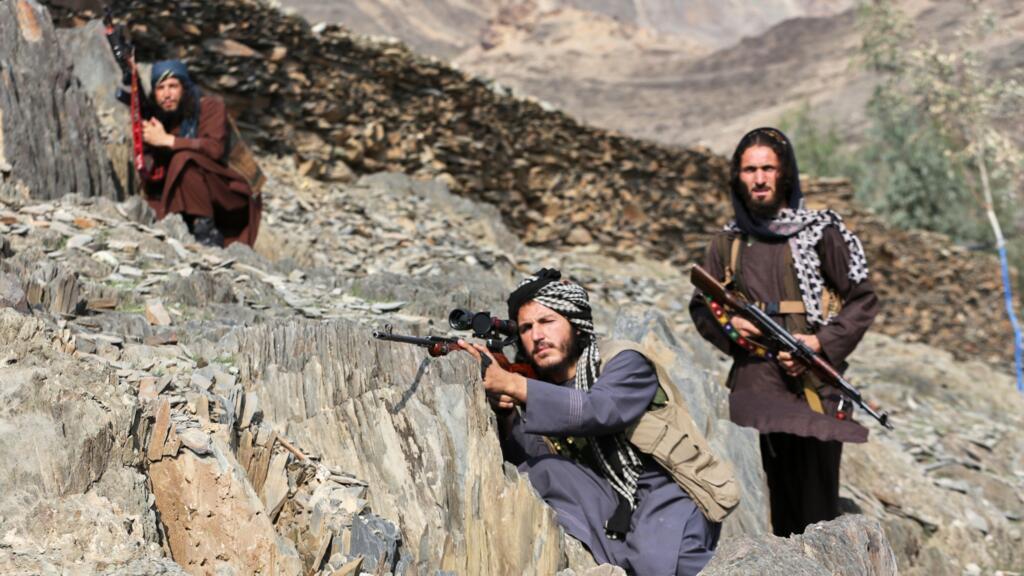
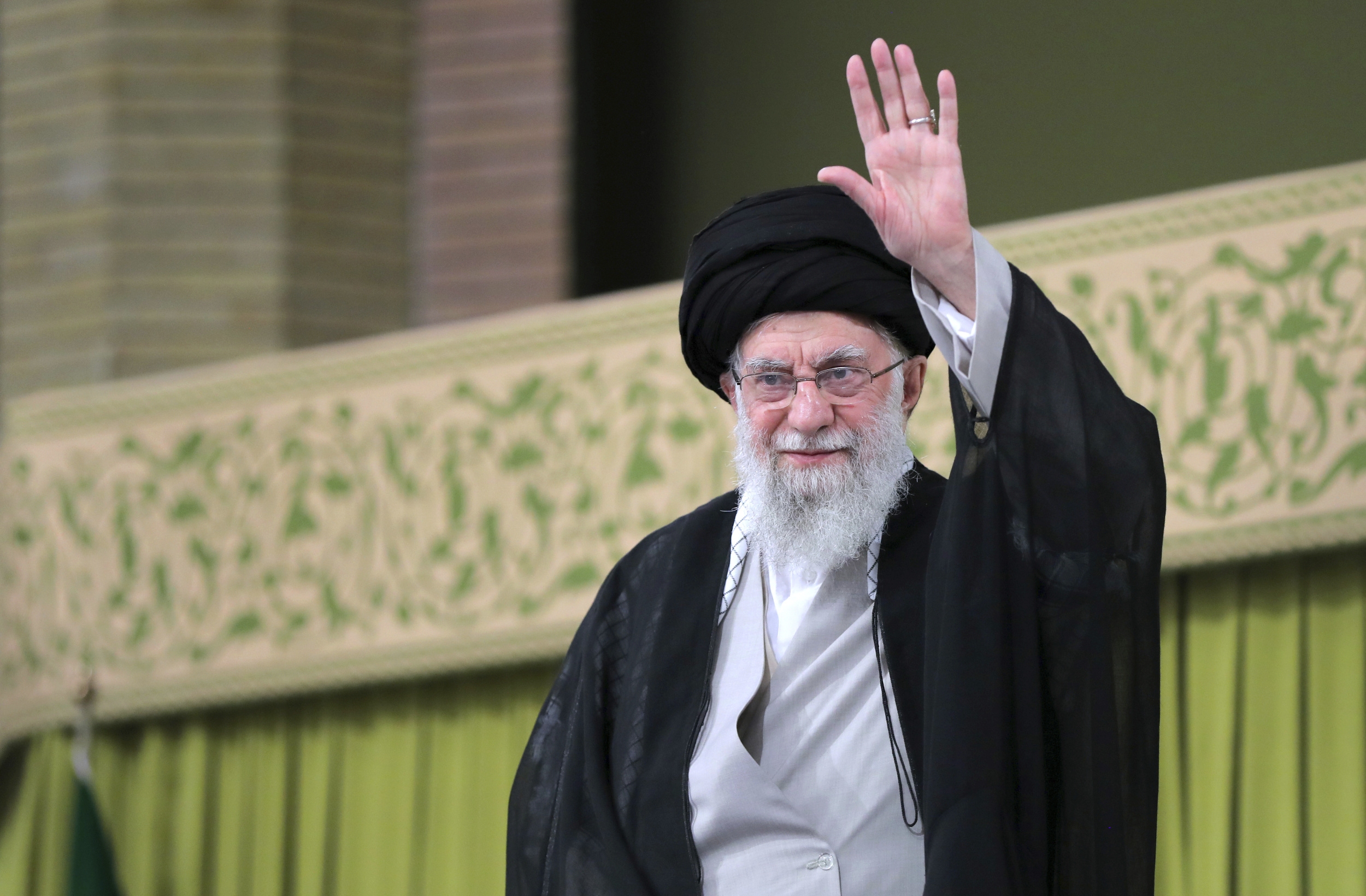
The situation in Iran remains one of the most sensitive and closely watched geopolitical crises in the world today. The reported death of Supreme Leader Ali Khamenei, combined with escalating military confrontations and retaliatory strikes, has created a period of uncertainty both inside the country and across the Middle East. Political transition, armed responses, regional tension, and humanitarian concerns are all shaping the present reality.
This article outlines the current developments, including leadership deaths, military attacks, Iran’s response, and the broader global impact.
Leadership Crisis in Iran
Death of the Supreme Leader
The reported killing of Ali Khamenei, who served as Iran’s Supreme Leader since 1989, marked a historic turning point. As the highest authority in Iran’s political structure, the Supreme Leader oversees the armed forces, judiciary, intelligence services, and national strategy.
His death during military strikes targeting high-level strategic locations in Tehran created immediate political shockwaves. Nationwide mourning ceremonies were held, and government institutions moved quickly to prevent instability.
The absence of the Supreme Leader has created uncertainty about succession. In Iran’s system, selecting a new Supreme Leader is a complex process involving religious and political authorities. The transition period remains delicate as leaders attempt to maintain unity and internal stability.
Death of Senior Military Leadership
In addition to the political leadership crisis, reports also indicated the death of high-ranking military officials, including senior commanders connected to Iran’s armed forces and strategic defense operations.
The Chief of Army Staff and other senior Revolutionary Guard commanders were reportedly among those killed during coordinated strikes on command facilities. These losses significantly affected Iran’s military command structure.
The removal of top military leadership can temporarily disrupt coordination, intelligence operations, and strategic planning. However, Iran’s military structure is layered, meaning secondary commanders quickly assumed responsibilities to maintain operational readiness.
Sequence of Attacks
Initial Targeted Strikes
The crisis escalated after coordinated air and missile strikes targeted key strategic sites within Iran. These operations reportedly focused on:
- Military command centers
- Intelligence facilities
- Government compounds
- Strategic infrastructure
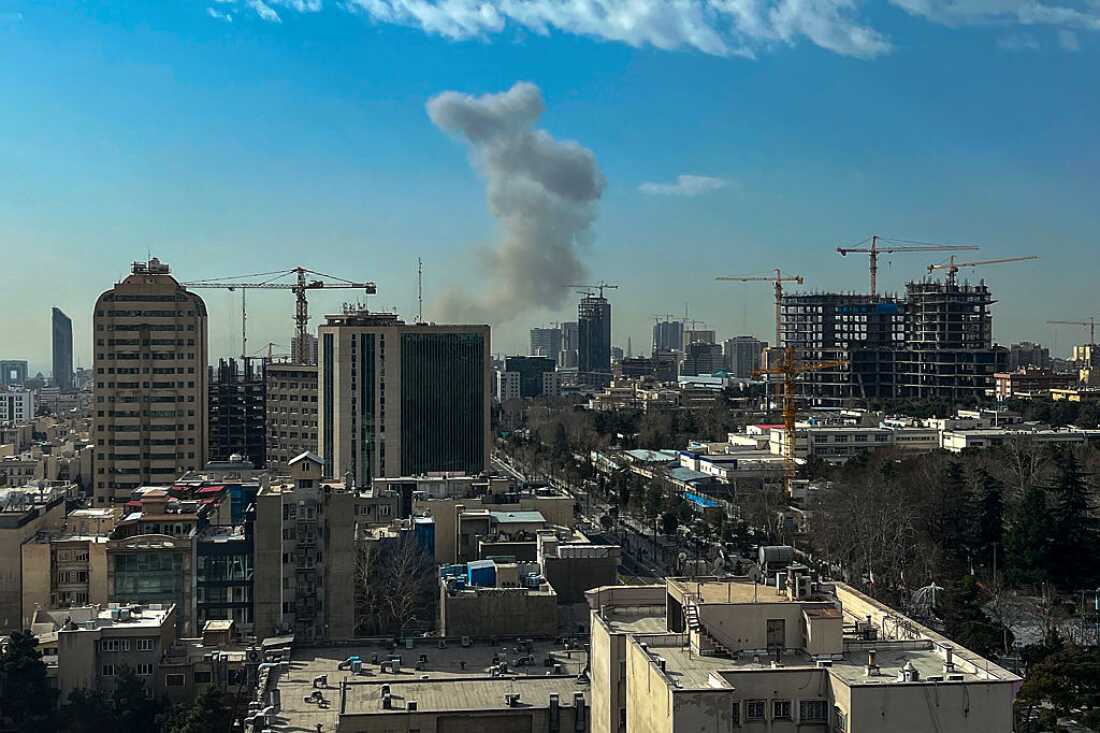
Several explosions were reported in and around Tehran and other sensitive areas. These strikes were described as precision operations targeting leadership and military coordination hubs.
The attacks caused structural damage to several buildings and resulted in both military and civilian casualties.
Iran’s Retaliatory Response
Following the leadership losses, Iran launched retaliatory actions. The response included:
- Missile launches toward strategic regional targets
- Drone operations aimed at military facilities
- Heightened defensive military deployment
Iran declared that the strikes were acts of defense and deterrence. Military units were placed on high alert across the country, and air defense systems were reinforced around key installations.
Retaliatory strikes were directed toward locations linked to regional adversaries, including areas associated with Israel and military bases connected to the United States in the region.
These exchanges significantly increased fears of a wider regional war.
Regional Escalation
Countries across the Middle East raised their military readiness levels. Nations such as Saudi Arabia, Iraq, Syria, and Lebanon closely monitored developments due to their geographic proximity and political ties.
Military bases were fortified, border security was tightened, and air defense systems were activated in several neighboring states.
The region remains in a high-alert condition, with diplomatic channels attempting to prevent direct large-scale confrontation.
Civilian Casualties and Humanitarian Impact
Military conflicts often affect civilians, and the current crisis is no exception.
Reports indicated that some strikes impacted residential areas near targeted facilities. Civilian casualties were reported in certain regions, and emergency services were deployed to assist injured individuals.
One particularly tragic incident involved a bomb explosion near a girls’ school, resulting in multiple fatalities and injuries. The attack disrupted education, damaged infrastructure, and deeply affected families and communities.
Hospitals in affected areas reported increased emergency cases, while humanitarian groups raised concerns about civilian protection.
In conflict situations, infrastructure such as schools, medical centers, and housing can suffer collateral damage. This creates long-term challenges for recovery, education continuity, and public safety.
Economic and Energy Concerns
The crisis has also created economic uncertainty.
Iran’s geographic position near the Strait of Hormuz makes it strategically important for global oil transportation. A significant portion of the world’s oil supply passes through this narrow waterway.
Any threat to this route increases global oil price volatility. Energy-importing countries such as China, India, and Japan are particularly sensitive to supply disruptions.
Global markets reacted cautiously, with concerns about fuel costs, shipping insurance, and trade disruptions.
International Diplomatic Response
Major global powers are actively monitoring the situation.
The United States increased military surveillance and defensive deployments in the region. Meanwhile, countries such as Russia and China called for restraint and diplomatic solutions.
International organizations urged all sides to avoid escalation and prioritize civilian safety.
Diplomatic negotiations are ongoing behind closed doors, as leaders seek to prevent the conflict from expanding into a full-scale regional war.
Current Military Posture
Iran’s armed forces remain on high alert. Defensive systems have been reinforced, and military units have increased readiness across strategic regions.
Airspace monitoring has intensified, and cyber-defense operations have also reportedly been strengthened.
Neighboring countries continue to monitor missile activity and regional troop movements. The possibility of further retaliatory exchanges remains a key concern.
Political Transition and Internal Stability
Internally, Iran is navigating a sensitive political transition following the death of its Supreme Leader and senior military officials.
Religious authorities and political leaders are working to maintain unity. The selection of new leadership will influence the country’s domestic policies and foreign strategy.
Maintaining stability during this transition is considered essential to preventing internal unrest or governance disruptions.
Conclusion
The current situation in Iran is defined by leadership loss, military escalation, retaliatory strikes, and regional tension. The death of Supreme Leader Ali Khamenei and senior military commanders created a historic turning point in the country’s political and security structure.
Subsequent attacks and counterattacks have increased fears of wider conflict, while civilian casualties and infrastructure damage have added humanitarian concerns.
At the same time, global economic and energy markets remain sensitive to developments due to Iran’s strategic location near the Strait of Hormuz.
The coming months will be critical in determining whether diplomatic efforts succeed in stabilizing the region or whether further escalation reshapes the geopolitical balance of the Middle East.
References for More Information
You can read more details about the Iran conflict, leadership deaths, and military escalation from the following sources: