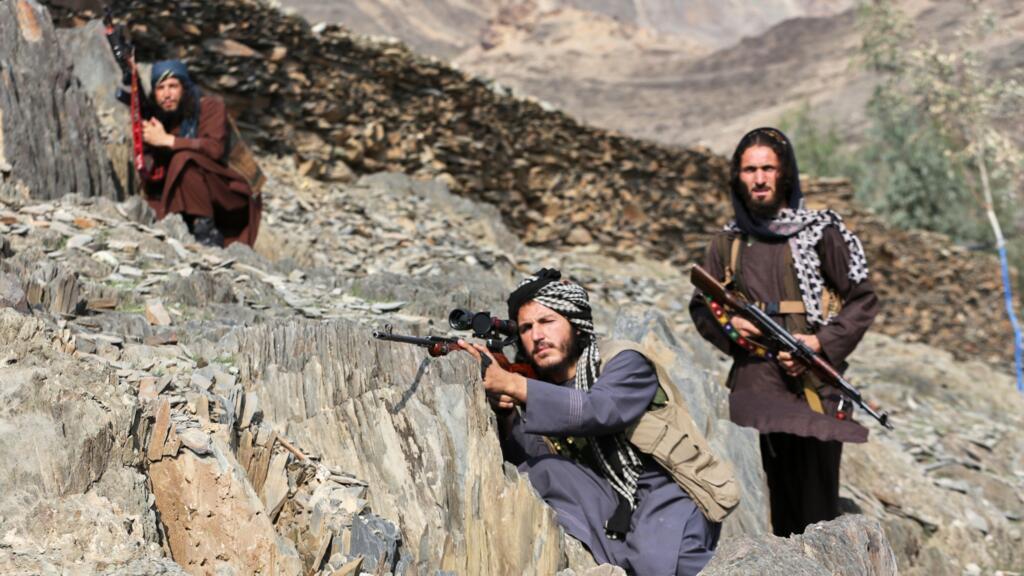
The relationship between Pakistan and Afghanistan has once again entered a period of intense strain. In early 2026, rising violence along the border, cross-border accusations, and military responses have created one of the most serious crises between the two neighbors in recent years. What was once described as diplomatic friction has evolved into open hostility marked by airstrikes, border clashes, and sharply worded statements from both governments.
This escalation is not an isolated development. It reflects years of mistrust, unresolved border disputes, militant activity, and shifting regional alliances. As both countries struggle with internal political and economic challenges, the renewed confrontation threatens not only their own stability but also the broader security landscape of South Asia.
The Core Issue: Cross-Border Militancy
At the heart of the tension lies the issue of militant groups operating along the porous border between the two countries. Pakistan has repeatedly accused armed groups based in Afghan territory of carrying out attacks inside Pakistan. According to Pakistani officials, these groups use Afghanistan as a safe haven to plan and launch operations targeting Pakistani security forces and civilians.
The Afghan Taliban government, however, has rejected these claims. It maintains that it does not allow its soil to be used for attacks against any other country. Afghan authorities argue that Pakistan’s accusations are exaggerated and that instability inside Pakistan cannot simply be blamed on Afghanistan.
This disagreement over security responsibility has become the central flashpoint driving the current crisis.
Airstrikes and Military Escalation
In response to rising attacks within its borders, Pakistan reportedly conducted targeted air operations inside Afghan territory. Pakistani officials stated that the objective was to neutralize militant hideouts that posed an immediate threat to national security.
Afghanistan’s Taliban-led administration condemned the strikes as a violation of its sovereignty. Afghan leaders claimed that civilians were harmed during the operations, intensifying public anger and fueling anti-Pakistan sentiment.
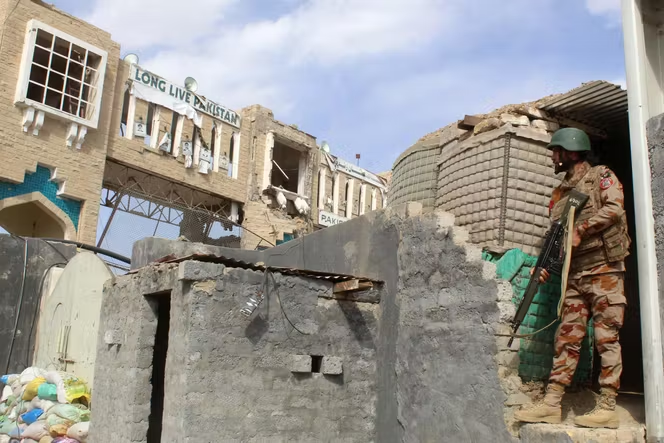
Border skirmishes followed. Reports indicated exchanges of fire between security forces along disputed areas of the frontier. While both sides have expressed a desire to avoid full-scale war, the frequency and severity of incidents have increased dramatically.
The Long-Standing Border Dispute
The Durand Line, the internationally recognized border between Pakistan and Afghanistan, has historically been a source of disagreement. Pakistan considers it a legitimate international boundary. However, successive Afghan governments have questioned its legitimacy.
The lack of mutual recognition has created complications in border management. Fencing projects, checkpoints, and patrols have often triggered protests and confrontations. For local communities living along the frontier, daily life has become increasingly uncertain, with trade routes disrupted and families divided by heightened security measures.
Domestic Pressures in Both Countries
Pakistan’s Security Dilemma
Pakistan faces mounting internal security challenges. A surge in militant attacks has placed pressure on the government to act decisively. Political instability and economic difficulties further complicate the situation. Demonstrating strength against perceived external threats can also serve domestic political narratives.
However, sustained cross-border conflict carries risks. Prolonged military engagement could strain Pakistan’s already fragile economy and divert attention from pressing development needs.
Afghanistan’s Search for Legitimacy
For Afghanistan’s Taliban-led government, maintaining sovereignty and projecting strength is crucial. The administration seeks international recognition and economic relief but remains diplomatically isolated. Any perceived weakness in responding to foreign military actions could undermine its authority domestically.
At the same time, Afghanistan’s economic crisis, humanitarian needs, and limited international support make prolonged confrontation extremely costly.
Regional and Global Implications
The tensions between Pakistan and Afghanistan extend beyond their borders. Both countries occupy strategically significant positions in South Asia and Central Asia. Instability in either country can impact regional trade, counterterrorism efforts, and geopolitical alignments.
Neighboring countries are closely monitoring developments. Increased violence could disrupt trade corridors, delay infrastructure projects, and create new refugee flows. International organizations have urged both governments to exercise restraint and resolve disputes through dialogue.
The broader international community is concerned that escalating conflict could create space for extremist groups to expand operations, further destabilizing the region.
Humanitarian Concerns and Civilian Impact
One of the most troubling aspects of the crisis is its impact on civilians. Border communities often bear the brunt of clashes. Families have been displaced, businesses interrupted, and access to basic services restricted.
In Afghanistan, economic hardship has already pushed millions into vulnerability. Any additional military escalation risks worsening humanitarian conditions. In Pakistan, communities in border regions face renewed fear and uncertainty as security operations intensify.
Sustainable peace requires prioritizing civilian protection and ensuring that counterterrorism efforts do not deepen human suffering.
Diplomatic Channels: Is Dialogue Still Possible?
Despite harsh rhetoric, diplomatic engagement remains possible. Both countries share deep historical, cultural, and economic ties. Cross-border trade, shared ethnic communities, and intertwined security interests make complete disengagement unrealistic.
Confidence-building measures could include:
- Reopening formal security dialogues
- Establishing joint border monitoring mechanisms
- Creating communication hotlines to prevent accidental escalation
- Cooperating on intelligence sharing against non-state militant groups
International mediation or facilitation may also play a role if requested by both sides.
The Risk of Miscalculation
One of the most dangerous aspects of the current situation is the risk of unintended escalation. Border incidents can quickly spiral if communication channels are weak. A single high-casualty event could provoke retaliation, leading to broader confrontation.
Both governments publicly state that they do not seek war. However, political pressures and public opinion can sometimes drive decisions that escalate rather than calm tensions.
Careful crisis management is essential to prevent the situation from crossing a point of no return.
The Path Forward
The Pakistan–Afghanistan crisis of 2026 highlights a difficult reality: security cannot be achieved through unilateral action alone. Durable stability requires cooperation, transparency, and mutual accountability.
Addressing militancy demands coordinated efforts rather than reciprocal blame. Border disputes require structured dialogue grounded in international norms. Economic challenges require regional integration rather than isolation.
The coming months will be critical. Whether the two nations choose confrontation or cooperation will shape not only their bilateral relationship but also the future of regional stability.
Conclusion: A Defining Moment
The escalating tensions between Pakistan and Afghanistan represent more than a temporary crisis. They reflect deeper structural issues rooted in history, security concerns, and political dynamics. While both sides claim to act in defense of national interests, long-term peace depends on dialogue, restraint, and mutual recognition of shared responsibilities.
This moment presents both danger and opportunity. Escalation could deepen instability across South Asia. But constructive engagement could pave the way for a more secure and cooperative future.
The choice now lies with leadership on both sides of the border.
References for More Information
-
Reuters – Pakistan and Afghan forces clash after cross-border hostilities
https://www.reuters.com/world/asia-pacific/afghanistan-has-launched-retaliatory-attacks-pakistani-border-posts-taliban-2026-02-26/ -
Wikipedia – 2026 Pakistani airstrikes in Afghanistan
https://en.wikipedia.org/wiki/2026_Pakistani_airstrikes_in_Afghanistan -
Wikipedia – 2026 Afghanistan–Pakistan war
https://en.wikipedia.org/wiki/2026_Afghanistan%E2%80%93Pakistan_war