
Introduction
The ongoing war between Russia and Ukraine has had far-reaching consequences beyond the battlefield. While most attention is focused on military operations and geopolitical tensions, the conflict has also created new risks for vulnerable individuals around the world. One of the most concerning developments is the alleged recruitment of foreign nationals through misleading employment offers.
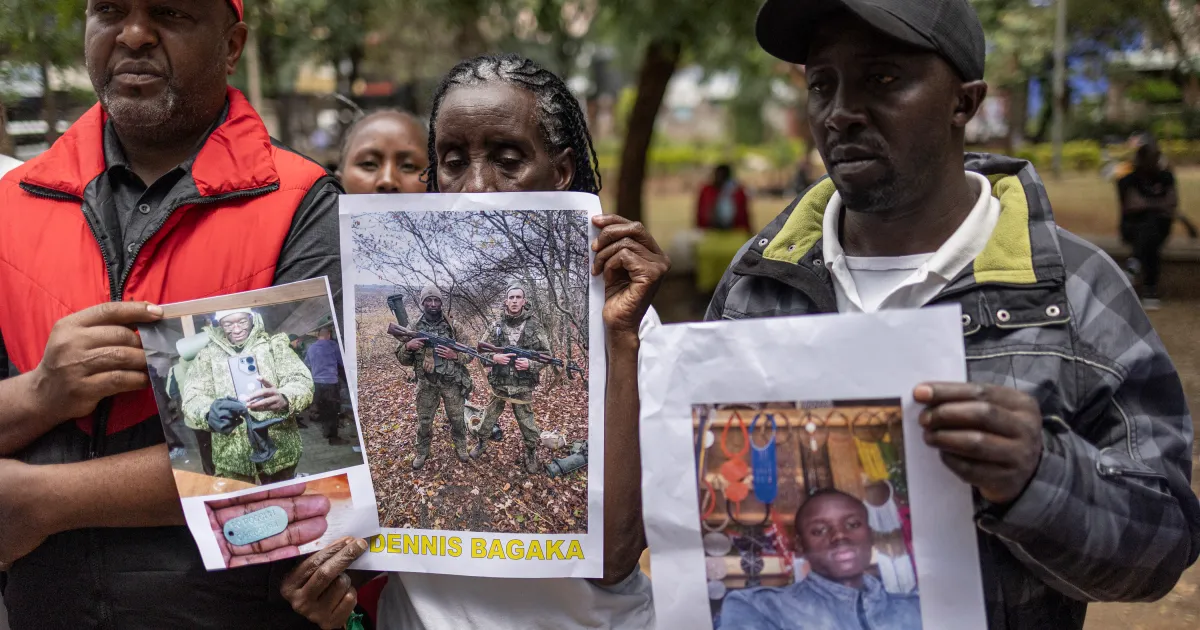
Recent reports have drawn attention to a case involving young people from Kenya who were reportedly recruited for jobs abroad but later found themselves connected to the war effort. The situation has sparked investigations, legal discussions, and concerns about the possibility of human trafficking linked to international conflicts.
This issue highlights how global wars can affect communities far beyond the immediate conflict zone.
Background of the Russia-Ukraine War
The war between Russia and Ukraine began in 2022 and quickly became one of the most significant international conflicts of the modern era. The conflict has involved intense military operations, economic sanctions, and global diplomatic tensions.
While the main participants in the war are the armed forces of the two countries, foreign nationals have also appeared in different roles. Some individuals have voluntarily joined military units on either side, while others may have been recruited through private arrangements or employment contracts.
Conflicts of this scale often create complex situations involving migration, security, and international law. Governments across the world closely monitor cases where their citizens become involved in foreign wars.
Allegations of Recruitment in Kenya
Authorities in Kenya have investigated claims that a recruitment network targeted young Kenyan men by offering them job opportunities in Russia. According to reports, the jobs were advertised as civilian roles such as security guards or other forms of employment.
However, once some individuals arrived in Russia, they reportedly discovered that the situation was different from what had been promised. In certain cases, individuals were allegedly encouraged or required to sign contracts related to military service.
Kenyan authorities have treated the case seriously and launched investigations into possible human trafficking. Law enforcement officials have reportedly arrested individuals suspected of organizing the recruitment process and are working to determine how many people may have been affected.
The Kenyan government has emphasized that citizens should verify overseas employment offers carefully before traveling abroad.

What Is Human Trafficking?
Human trafficking is a crime that involves the recruitment or transportation of individuals through deception, coercion, or abuse of vulnerability for the purpose of exploitation.
Trafficking can occur in many forms, including:
- Forced labor
- Sexual exploitation
- Debt bondage
- Forced participation in armed conflict
International law clearly defines trafficking as a serious violation of human rights. Governments and global organizations work together to identify and dismantle trafficking networks that operate across borders.
When individuals are promised one type of work but are later forced into dangerous or unwanted roles, the situation may fall under trafficking laws.
Why Young People Become Vulnerable
Economic challenges play a major role in making people vulnerable to deceptive recruitment schemes. Many young individuals in developing economies search for opportunities abroad to improve their financial situation and support their families.
Overseas employment opportunities can offer better wages and career prospects, which makes them attractive. Unfortunately, fraudulent recruiters sometimes exploit this desire by offering unrealistic promises.
Some common tactics used by illegal recruiters include:
- Advertising high-paying jobs without proper documentation
- Charging large upfront recruitment fees
- Providing incomplete or misleading contracts
- Pressuring candidates to travel quickly without verification
When people discover the truth after arriving in a foreign country, they may have limited options and face serious risks.
Legal and Diplomatic Concerns
The recruitment of citizens into foreign conflicts can create complicated legal situations. Many countries have laws that regulate or restrict participation in foreign armed forces.
If citizens are recruited under false pretenses, governments may treat the situation as a criminal matter involving fraud or trafficking. Authorities may conduct investigations, prosecute recruiters, and attempt to assist affected citizens.
Diplomatic relations can also be influenced by such cases. Governments may request explanations, provide consular assistance, or issue warnings to citizens about travel risks.
Protecting citizens abroad remains a priority for many countries, especially when global conflicts are involved.
Human Consequences of Conflict Recruitment
When individuals become involved in foreign wars, the consequences can be severe. War zones are dangerous environments where combat, injuries, and fatalities are common.
Some individuals who reportedly traveled through recruitment programs have experienced:
- Physical injuries
- Psychological trauma
- Financial losses
- Family hardship
Families at home often face emotional stress and uncertainty about the safety of their loved ones. In some cases, communication with individuals in conflict zones can become difficult or impossible.
These human impacts highlight why authorities treat trafficking and deceptive recruitment as serious crimes.
Importance of Safe and Legal Employment Abroad
Working abroad can be beneficial when the process is transparent and properly regulated. Millions of people worldwide work legally in foreign countries and contribute to their families and national economies.
To stay safe, individuals should follow several important precautions:
- Verify recruitment agencies through government licensing systems
- Confirm employment contracts with official embassies
- Avoid paying large recruitment fees without legal documentation
- Research the destination country and employer
Governments and international organizations also encourage public awareness campaigns to educate job seekers about potential risks.
Global Efforts to Prevent Trafficking
Human trafficking is a global challenge that requires cooperation between countries. Law enforcement agencies, international organizations, and governments often work together to identify criminal networks and protect victims.
Efforts to combat trafficking include:
- Stronger laws and enforcement mechanisms
- International police cooperation
- Border monitoring and investigations
- Victim support programs
Preventing trafficking requires both legal action against criminals and social programs that address economic vulnerabilities.
Conclusion
The allegations surrounding the recruitment of Kenyan nationals in connection with the Russia-Ukraine war highlight a complex issue involving conflict, migration, and human vulnerability. While investigations continue, the situation serves as a reminder of the risks associated with deceptive employment offers.
Global conflicts often have ripple effects far beyond the countries directly involved. Communities thousands of miles away can be affected through migration, recruitment networks, and economic pressures.
Protecting individuals from exploitation requires stronger oversight, informed job seekers, and international cooperation. By promoting legal employment pathways and raising awareness about trafficking risks, governments and organizations can help prevent similar situations in the future.
Ultimately, safeguarding human dignity and ensuring transparency in recruitment practices remain essential in a world where conflict and migration increasingly intersect.
References (For More Information)
-
CBS News – Kenyan man accused of trafficking Kenyans to fight in Ukraine
https://www.cbsnews.com/news/kenya-russia-ukraine-war-human-trafficking-hundreds-to-fight-for-putin/ -
Al Jazeera – Kenyan man charged with duping people to fight for Russia in Ukraine
https://www.aljazeera.com/news/2026/2/26/kenyan-man-charged-with-duping-people-to-fight-for-russia-in-ukraine-war -
Reuters – Kenyan court charges man with recruiting people to fight for Russia
https://www.reuters.com/world/africa/kenyan-court-charges-man-with-recruiting-people-fight-russia-2026-02-26/