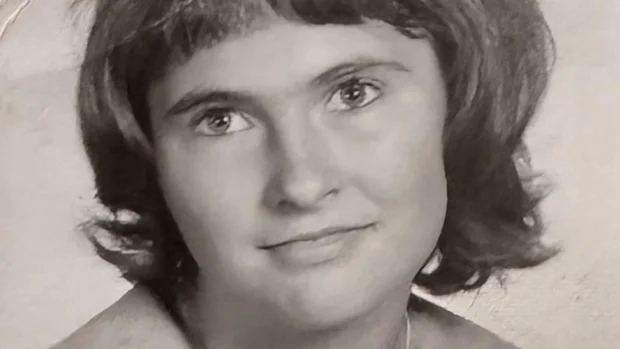
The murder of Mary Kay Heese is one of those tragic cases that demonstrates both the limits and the persistence of criminal investigations. What began in 1969 as a heartbreaking and mysterious killing in a small Nebraska town remained unsolved for decades, leaving family members without answers. More than fifty years later, renewed investigative work finally brought a measure of resolution, though many questions and emotions still remain.
This article provides a complete, original, and legally responsible overview of the case, based on publicly available reporting and official statements. It is written for informational purposes and does not reproduce or copy any original news content.
A Small Town and a Sudden Disappearance
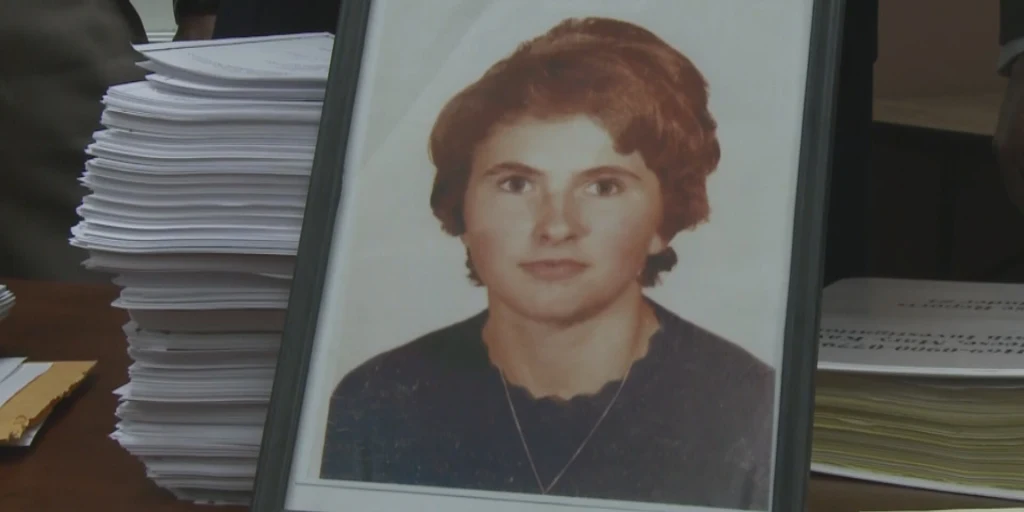
In March 1969, Mary Kay Heese was a 17-year-old high school student living in Wahoo, a small and close-knit community where most people knew each other. Like many teenagers of her age, she was navigating school life, friendships, and the challenges of adolescence.
On March 25, Mary Kay left school but never returned home. When she did not arrive as expected, concern quickly grew among her family. Within hours, the situation turned from worry into tragedy. Her body was discovered outside town, and it was clear that she had been the victim of a violent attack.
For a small community, the crime was deeply shocking. Residents struggled to understand how such a brutal act could happen in a place where people felt safe.
Early Investigation and the Search for Answers
Law enforcement began investigating immediately. Detectives attempted to reconstruct Mary Kay’s last known movements. Witnesses reported seeing her getting into a car with two men near her home. However, identifying those men proved difficult, and investigators at the time lacked the forensic tools and technological resources that modern investigators rely on today.
Despite interviews and efforts to gather evidence, the investigation gradually stalled. Months passed without arrests, and the case eventually became what is commonly known as a “cold case,” meaning that no active leads were being pursued due to insufficient evidence.
For Mary Kay’s family, the passage of time did not lessen the pain. The absence of answers often makes loss even harder to bear, as families are left wondering what truly happened and why.
Understanding Mary Kay’s Life
Decades later, when investigators reopened the case, they sought not only to examine physical evidence but also to better understand Mary Kay as a person. Family members described her as caring and eager to be accepted by her peers. Like many teenagers, she wanted to fit in socially and participate in school events.
One such event was a local dance, which she had been hoping to attend. Investigators later considered whether her desire to socialize and connect with others might have influenced her actions on the day she disappeared.
Understanding a victim’s personality and habits is often a crucial part of modern investigative work. It helps detectives determine whether someone would likely have trusted certain people or accepted certain invitations.
The Case Reopened
In 2015, authorities decided to reexamine the murder. Advances in investigative techniques, along with renewed interest in unresolved cases, encouraged officials to take another look at the evidence and witness statements.
A key investigator reviewed old files, interview transcripts, and witness reports. Sometimes, cold cases are solved not by dramatic new discoveries but by careful re-analysis of existing information.
During this review, two names repeatedly appeared in the original records: Joseph Ambroz and Wayne Greaser. Both men had been questioned in the days following the crime.
Investigators concluded that Ambroz knew Mary Kay and that they had mutual acquaintances. This detail was significant because it suggested she may have felt comfortable enough to accept a ride in a vehicle where he was present.
A Theory of What Happened
Based on the evidence and witness statements, investigators developed a theory about the events of that night. They believed Mary Kay entered a car with the two men and was taken to an area outside town. At some point, she attempted to escape, and the situation turned violent, leading to her death.
It is important to note that such reconstructions are based on investigative findings and legal proceedings rather than speculation. Law enforcement agencies and courts rely on evidence, testimony, and established legal standards when determining what likely occurred.
Arrest and Legal Resolution
More than five decades after the murder, Joseph Ambroz was arrested in connection with the case. By that time, he was in his seventies.
In July 2025, he entered a plea agreement in which he pleaded no contest to conspiracy to commit first-degree murder. The court sentenced him to two years in jail. Wayne Greaser, identified as the other participant in the crime, had died years earlier.
Plea agreements are a common part of the criminal justice system. They can occur for various reasons, including the age of the defendant, the availability of evidence, and the desire to secure a legal acknowledgment of responsibility without the uncertainty of a full trial.
The Family’s Reaction
For Mary Kay’s relatives, the legal outcome brought mixed emotions. On one hand, there was some relief that the case had finally been resolved and that responsibility had been formally acknowledged. On the other hand, many family members felt that the sentence did not fully reflect the magnitude of the crime or the decades of loss they had endured.
Such reactions are not uncommon in long-delayed cases. Justice in legal terms does not always align with emotional closure, particularly when many years have passed and the victim’s life cannot be restored.
The Role of Cold Case Investigations
The resolution of this case highlights the importance of cold case units and long-term investigative efforts. Across the United States, thousands of unsolved cases remain open, and advances in forensic science, digital databases, and investigative methods continue to provide new opportunities to revisit old evidence.
Cold case investigations often require patience, persistence, and careful analysis. Even small details overlooked decades earlier can become significant when viewed in a new context.
The Mary Kay Heese case serves as a reminder that time does not erase the need for justice and that investigators may continue working on a case long after public attention has faded.
Legal and Ethical Considerations
When discussing real criminal cases, it is essential to maintain accuracy and respect for legal principles. Court records, plea agreements, and official statements form the basis for responsible reporting.
All individuals are presumed innocent until guilt is established through legal proceedings. In this case, the legal outcome was determined through the judicial process, ensuring that the conclusion rested on lawful procedures rather than speculation.
Respect for victims and their families is equally important. Stories about crime should focus not only on perpetrators but also on the lives affected and the broader lessons that can be learned.
Lessons from the Case
Several broader lessons can be drawn from this tragic story:
-
Investigations may take decades – Advances in technology and renewed attention can eventually bring answers.
-
Community memory matters – Witnesses and records preserved over time can play a crucial role.
-
Justice has many forms – Legal closure, even years later, can still hold meaning.
-
Victims should be remembered as people – Beyond the headlines, each victim had a life, dreams, and relationships.
Conclusion
The murder of Mary Kay Heese remains a deeply tragic chapter in the history of her community. While the legal resolution came many years after the crime, the case demonstrates the enduring commitment of investigators and the importance of continuing to seek truth, even when decades have passed.
For families of victims, time does not diminish loss, but answers—however delayed—can still matter. The case stands as a reminder that justice, though sometimes slow, can still move forward.
For More Information
For verified details and original reporting about this case, see:
Read the full CBS News report on the Mary Kay Heese case