In August 2019, financier Jeffrey Epstein died by suicide while in the Metropolitan Correctional Center (MCC) in New York. He was awaiting trial on serious federal charges related to sex trafficking. Epstein’s death was controversial from the very beginning, not just because of the high-profile nature of the case, but also due to irregularities in the prison’s procedures. Among the most discussed and puzzling aspects of his death has been the so-called “missing minute” in the surveillance footage from the night he died.
This blog aims to provide a full, fact-based explanation of the missing minute, how it came to public attention, and what subsequent investigations revealed. The goal is to clarify the mystery without speculation or sensationalism, offering readers an informed, legal perspective.
The Missing Minute Explained
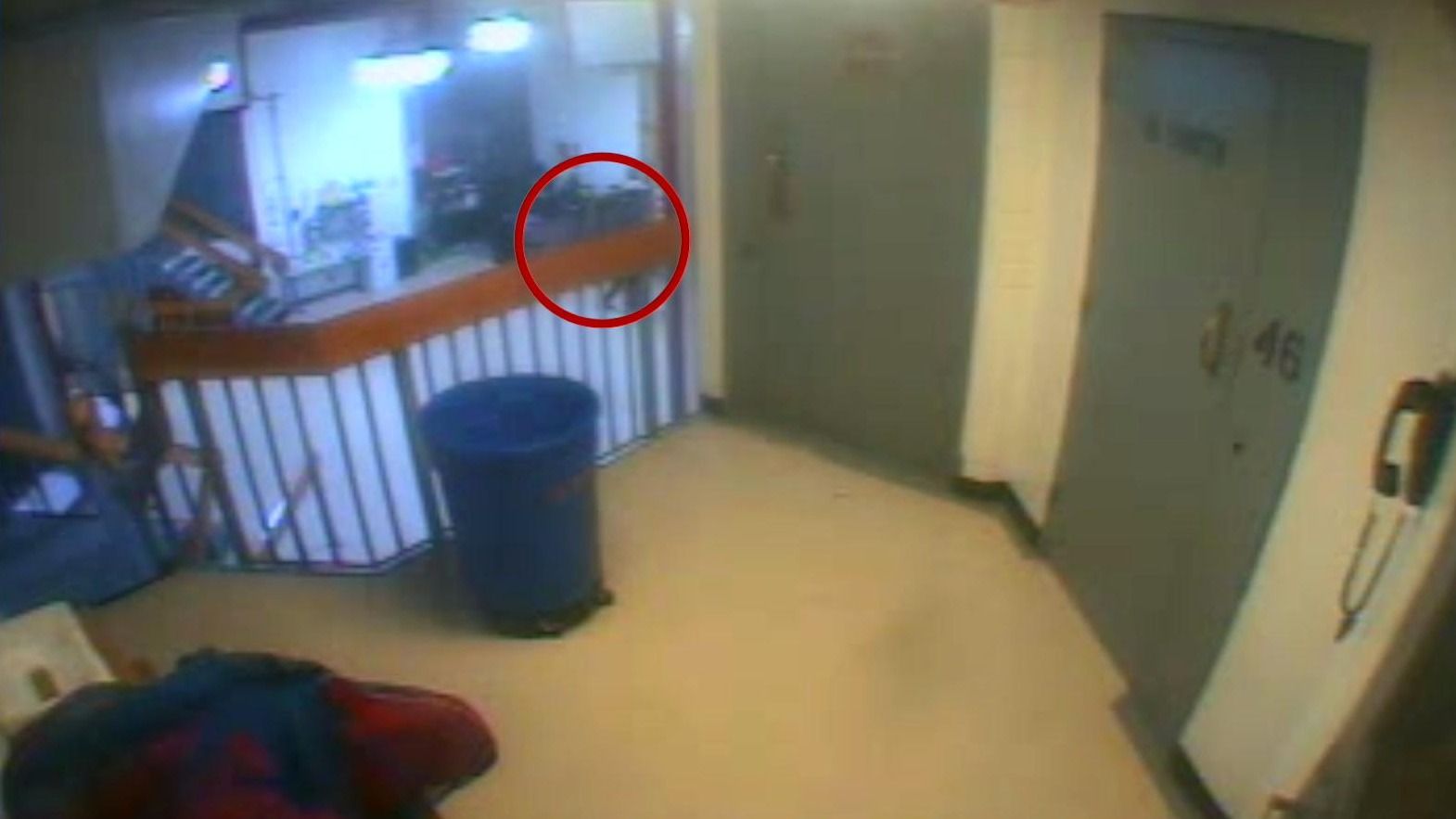
After Epstein’s death, the Department of Justice (DOJ) and the Federal Bureau of Investigation (FBI) released several hours of surveillance footage from the jail. Observers immediately noticed that there appeared to be a short gap in the footage. Specifically, the video timestamp jumped from 11:58:58 p.m. to 12:00:00 a.m., creating what became widely known as the “missing minute.”
This unusual gap raised questions and fueled speculation. People wondered if it indicated a significant event was being hidden. However, the situation is more complex than it initially seemed. The missing minute was not evidence of tampering but rather the result of technical and procedural factors related to how the video was reconstructed for public release.
Why the Gap Appeared
The missing minute occurred because the master copy of the surveillance video had been destroyed under standard evidence retention rules after the conclusion of the case. This destruction is a normal practice in law enforcement when original digital files are no longer legally required for ongoing investigations. As a result, the video released to the public was a reconstruction created from remaining recordings, not the original master footage.
During reconstruction, the DOJ and FBI combined two separate video files—one covering the hours before midnight and another starting precisely at midnight—into a continuous video. However, when these two files were merged, a brief segment of approximately 62 seconds could not be seamlessly included, creating the appearance of a missing minute.
This technical gap was purely an artifact of video reconstruction. It did not signify intentional deletion or concealment of events. The missing minute was a product of combining two recordings from different sources into one cohesive video for public viewing.
Initial Explanations and Misunderstandings
Early statements by officials suggested that the gap was due to a nightly reset in the jail’s video system. While the explanation was intended to clarify the situation, it was met with skepticism by digital forensics experts. They noted that a modern surveillance system is unlikely to automatically delete footage for just one minute each night, and the explanation lacked independent verification.
Because of the gap and the absence of the original master files, some media outlets and commentators speculated that the missing minute was being deliberately withheld. This fueled conspiracy theories, but these theories did not have a factual basis once the reconstruction process and later releases were fully understood.
The Full Footage and Its Implications
Later releases of the video, including footage reviewed by congressional committees, included the previously missing minute. When reviewed, this short segment of time showed no unusual activity. Guards were visible in their normal routines, and nothing indicated a significant or suspicious event during that minute.
This demonstrates that the missing minute seen in the initial public release was not evidence of foul play or a cover-up. Instead, it highlights how technical limitations, file management, and procedural reconstruction can create gaps that may seem mysterious when viewed without context.

Why the Missing Minute Attracted Attention
The missing minute became a focal point in public discussion because it appeared to represent a tangible anomaly in the evidence. Given the high-profile nature of Epstein’s case and widespread public interest, even a brief gap drew intense scrutiny. Social media and news commentary amplified the mystery, and questions about what happened during that time became a popular topic.
However, when examined in full context, the missing minute reflects the realities of digital video management rather than a secret or hidden event. This distinction is important because it shifts the narrative from suspicion to understanding how law enforcement handles digital evidence.
Lessons from the Case
The missing minute in Epstein’s jail video highlights several broader lessons:
-
Digital evidence is complex: Videos are not always perfect recordings. File corruption, system resets, and reconstruction processes can create gaps that seem suspicious but are technically explainable.
-
Transparency matters: Publicly releasing footage without explanation can create misunderstandings. Providing context about how the video was prepared helps prevent misinformation.
-
Critical thinking is essential: It is easy to draw conclusions based on incomplete information. Investigators, experts, and the public must carefully assess evidence and technical explanations before forming judgments.
-
High-profile cases require meticulous documentation: When cases attract intense attention, even small anomalies can become central to narratives. Detailed and accurate documentation ensures that gaps can be explained.
Conclusion
The missing minute in Jeffrey Epstein’s jail video was not evidence of wrongdoing, suppression, or a hidden event. It was a consequence of how surveillance footage was reconstructed after the original master file was no longer available. Subsequent reviews of the full footage confirm that nothing unusual occurred during that brief gap in time.
This case illustrates the importance of understanding technical processes in digital surveillance and avoiding premature conclusions based on incomplete or reconstructed evidence. While the Epstein case continues to raise questions about the justice system and institutional practices, the missing minute itself is now understood to be a technical artifact rather than a mystery requiring further investigation.
By examining the facts carefully, it becomes clear that the “missing minute” was less about secrecy and more about the realities of digital evidence management in complex legal environments.
References for More Information
-
Mystery of the missing minute from Epstein jail video solved — CBS News
https://www.cbsnews.com/news/mystery-of-the-missing-minute-from-epstein-jail-cell-solved/ -
CBS Reports ‘Missing Minute’ From Epstein Video Didn’t Exist — WIBC
https://wibc.com/693094/cbs-reports-missing-minute-from-epstein-video-didnt-exist/ -
Jeffrey Epstein ‘raw’ prison video had nearly 3 minutes cut out of it — Yahoo News UK (WIRED analysis)
https://uk.news.yahoo.com/jeffrey-epstein-raw-prison-video-214543997.html -
Release of ‘missing minute’ of Epstein video contradicts earlier claim — The Guardian
https://www.theguardian.com/us-news/2025/sep/03/missing-minute-video-epstein-released