On December 19, 2025, a quiet evening in Taipei, a city known for its safety and bustling streets, turned into a scene of chaos and fear. Thousands of commuters were finishing their workday, unaware that within minutes, the familiar streets and subway stations would become the setting of a tragic and terrifying attack. The events of that day reminded everyone that safety is fragile, and ordinary routines can suddenly be disrupted in ways no one anticipates.
Chaos in the Heart of the City
The attack began without warning. Smoke bombs were detonated in a crowded area near Taipei’s central transportation hub, filling the air with thick clouds. Visibility dropped to near zero, and the sudden rush of people trying to escape created panic. In the confusion, the assailant used a knife, attacking people indiscriminately. Commuters ran for cover, some falling in the chaos, others screaming for help.
The combination of smoke and a weapon created a surreal and frightening atmosphere. For those caught in the middle, what was supposed to be an ordinary commute became a fight for survival.
Lives Shattered in an Instant
At least three people tragically lost their lives, while many others were injured, some critically. These were ordinary citizens—people heading home after work, meeting friends, or running errands. For a moment, everyone in the area was united in shock and fear.
Beyond the immediate physical harm, the emotional impact on the city was profound. Witnesses spoke of fear that lingered long after the attack, of the sound of sirens cutting through the evening air, and of friends and strangers helping one another amidst the chaos. It was a stark reminder that violence can touch anyone, anywhere, even in cities with strong public safety records.
A City Responds
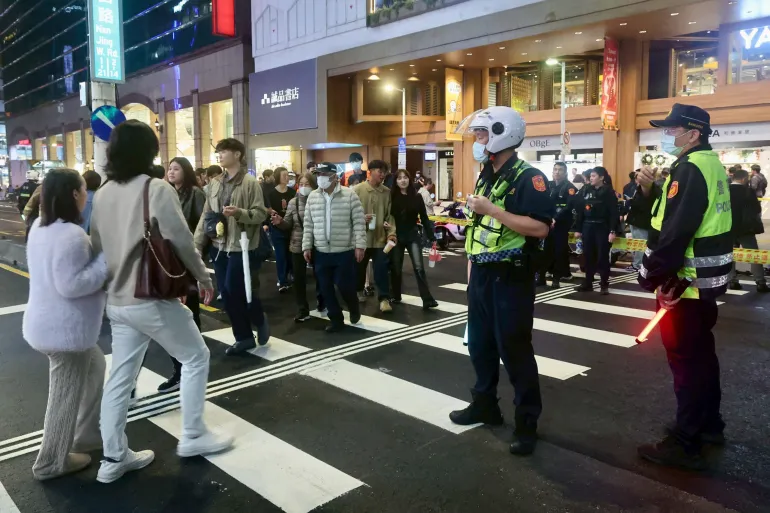
Taipei’s emergency services reacted swiftly. Police, firefighters, and medical teams coordinated to secure the area, treat the wounded, and evacuate civilians. Hospitals activated emergency protocols, preparing for multiple casualties. The speed and efficiency of the response undoubtedly saved lives.
At the same time, the city was forced to confront the psychological impact of the attack. Residents were shaken, and questions arose about how such incidents could be prevented in the future. Authorities increased police patrols in key areas and encouraged citizens to remain vigilant while reassuring them that steps were being taken to restore safety.
Understanding the Attack
Investigations revealed that the suspect acted alone and had planned the attack in advance, including the acquisition of smoke devices and other materials. Authorities confirmed that the act was not linked to terrorism or organized groups. It appeared to stem from individual motives, though the full reasons may never be completely known.
While understanding the attacker’s background can provide some context, it cannot explain the pain inflicted on victims or justify the violence. The focus must remain on public safety, prevention, and supporting those affected.
Lessons in Preparedness and Community
This attack highlighted several lessons. First, even cities with strong safety records cannot be complacent. Urban environments must continuously evolve to ensure public security while maintaining the freedom and openness that make them vibrant.
Second, community resilience matters. During the attack, many ordinary citizens helped each other, guiding the injured, calling for help, and staying calm under pressure. These acts of courage and solidarity are reminders that society’s strength often comes from everyday people, not just institutions.
Finally, mental health and early intervention remain crucial. While most people who face stress, isolation, or frustration never commit violence, being attentive to signs of distress in communities can help prevent tragedies.
Healing and Reflection
In the aftermath, Taipei came together to mourn the victims and support those affected. Memorials appeared near the sites of the attack, with citizens leaving candles, flowers, and messages of hope. Community organizations mobilized to provide counseling and assistance to survivors, emphasizing that recovery is as much emotional as it is physical.
The incident also sparked reflection across Taiwan and beyond about public safety, emergency preparedness, and how societies respond to sudden acts of violence. While the pain cannot be undone, these conversations help communities learn and grow stronger.
Moving Forward
The Taipei attack serves as a sobering reminder that safety is never guaranteed, but resilience, vigilance, and compassion can help mitigate the impact of violence. Citizens, authorities, and institutions alike must work together to create environments that protect lives while fostering trust, empathy, and readiness.
Ultimately, this tragedy showed both the fragility of daily life and the extraordinary strength of human connection. Even in moments of fear and chaos, people acted with courage and care, demonstrating that hope persists even in the darkest hours.