
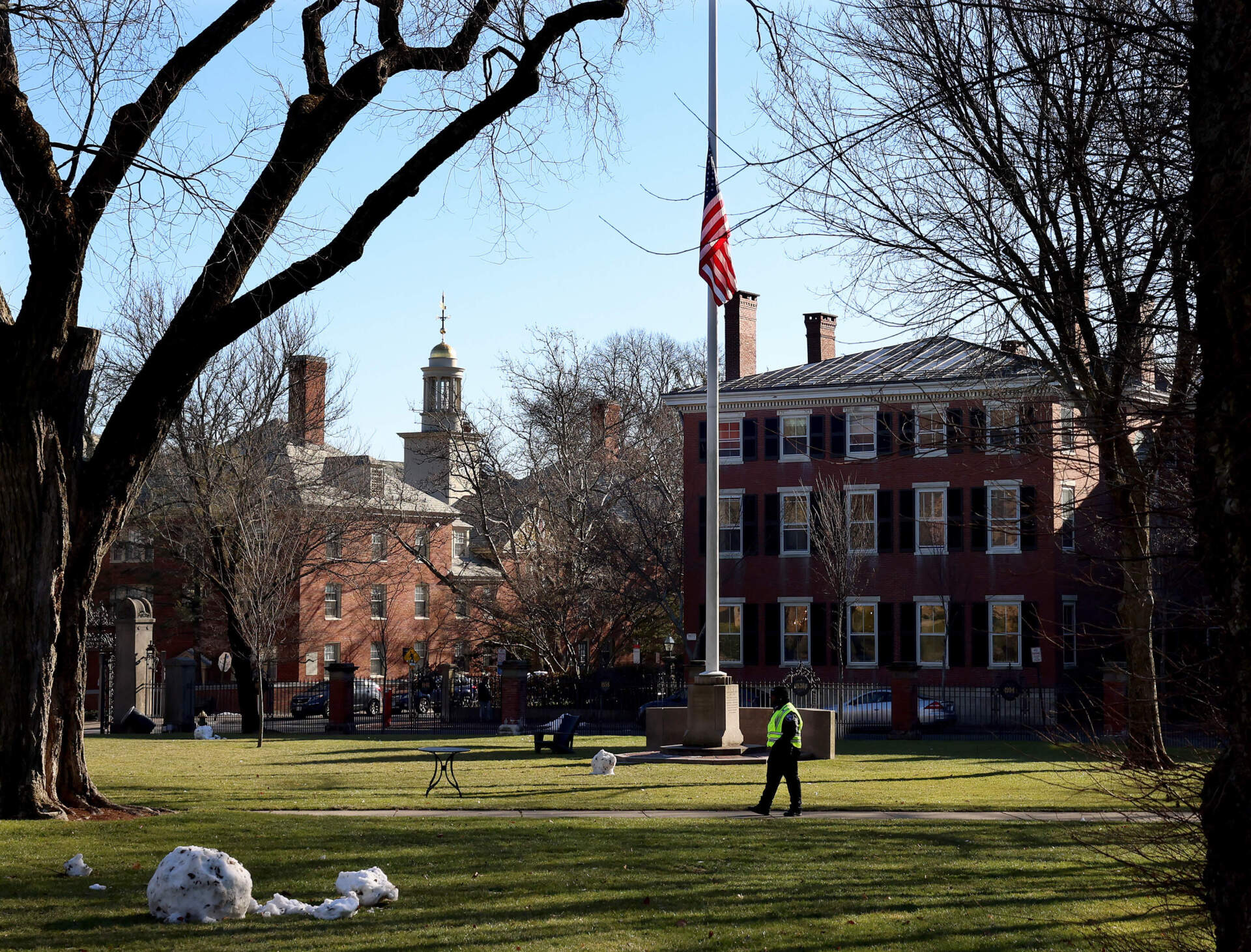
The United States has long prided itself on its universities as spaces of safety, intellectual freedom, and innovation. However, a series of violent incidents in recent years has challenged this perception and forced a national reckoning. One such disturbing case emerged in December 2025, when a man suspected of carrying out a deadly shooting at Brown University and the killing of a professor affiliated with the Massachusetts Institute of Technology (MIT) was found dead, apparently by suicide. The events surrounding this case reveal a troubling intersection of academic pressure, mental health concerns, gun access, and campus security failures.
The Incident at Brown University
Brown University, an Ivy League institution located in Rhode Island, became the scene of terror when gunfire erupted on or near its campus. Students and faculty were thrust into chaos as emergency alerts warned of an active threat. Buildings were locked down, classes were suspended, and law enforcement agencies mobilized rapidly to contain the situation.
The shooting resulted in multiple casualties, including fatalities and injuries, deeply traumatizing the university community. For many students, the idea that violence could penetrate such a prestigious academic environment shattered their sense of safety. Vigils, counseling sessions, and campus-wide discussions followed as the university attempted to support those affected.
The Killing of an MIT Professor
As investigators worked to piece together the Brown University shooting, evidence emerged linking the same suspect to the killing of an MIT professor. The professor, a respected academic known for contributions to research and education, was reportedly shot near his residence. The loss sent shockwaves through MIT and the broader academic world.
Colleagues described the professor as dedicated, generous, and deeply committed to mentoring students. His death was not only a personal tragedy for his family and friends but also a profound loss for the scientific and educational community. The notion that a scholar could be targeted outside the classroom further heightened fears about the vulnerability of educators.
The Suspect and His Background
Authorities identified the suspect as a middle-aged man with a history of academic involvement in U.S. institutions. He was reportedly a former student with international roots, including ties to Portugal. While he was no longer formally affiliated with either university at the time of the attacks, investigators examined his academic records, personal history, and potential grievances.
Law enforcement officials suggested that the suspect may have harbored long-standing frustrations related to his educational experiences. However, no definitive motive was publicly confirmed before the case took a dramatic turn. As with many acts of mass violence, the lack of a clear explanation has left communities searching for meaning and warning signs that might have been missed.
Discovery of the Suspect’s Death
Days after the attacks, police located the suspect’s body in a secured location away from the campuses. Preliminary findings indicated that he had died from a self-inflicted gunshot wound. The discovery effectively ended the immediate manhunt but opened a new chapter of unanswered questions.
The suspect’s death meant that the full legal process—arrest, trial, and testimony—would never take place. For victims’ families, this outcome brought frustration and a sense of incomplete justice. While investigators continue to review evidence to formally close the case, many details about the suspect’s mindset and intentions may remain unknown.
Legal and Investigative Implications
From a legal standpoint, the suspect’s death complicates accountability. Criminal charges can no longer be pursued, and a court of law will not examine the evidence in full public view. This places greater importance on transparent investigative reporting by authorities, who must now provide as much clarity as possible through official findings.
Civil liability, institutional responsibility, and policy reform remain areas of concern. Universities, while not accused of wrongdoing in this case, face renewed scrutiny over how they monitor potential threats and respond to early warning signs.
Mental Health and Academic Pressure
The case has reignited discussion about mental health within academic environments. Universities are high-pressure settings where competition, isolation, and failure can weigh heavily on individuals. While the vast majority of students and alumni do not resort to violence, experts emphasize that untreated mental health issues can escalate when combined with stress and a lack of support.
Mental health advocates argue that universities must move beyond reactive measures and invest in proactive systems that identify at-risk individuals while respecting privacy and human rights. Expanded counseling services, peer support programs, and collaboration with mental health professionals are increasingly viewed as essential components of campus safety.
Gun Access and Public Safety
As with many violent incidents in the United States, the role of firearms cannot be ignored. The ability of the suspect to obtain and use a gun has fueled renewed debate about gun control laws, particularly around educational institutions. Critics argue that existing regulations fail to adequately prevent individuals in crisis from accessing deadly weapons.
Student organizations and advocacy groups have called for stricter gun laws, enhanced background checks, and expanded red-flag legislation. Supporters of gun reform contend that reducing access to firearms during periods of emotional or psychological instability could save lives.
The Responsibility of Educational Institutions
Universities are now facing increased pressure to reassess their safety protocols. This includes physical security measures, such as surveillance and emergency response systems, as well as less visible but equally critical elements like behavioral intervention teams.
Many institutions across the country have announced reviews of their campus security policies in the wake of the incident. The challenge lies in balancing openness and freedom—core values of higher education—with the need for vigilance and protection.
Conclusion
The Brown University shooting and the killing of an MIT professor represent a tragic convergence of personal distress and systemic vulnerability. These events underscore the reality that no institution, regardless of prestige, is immune to violence. They also highlight the urgent need for comprehensive approaches to mental health care, campus security, and gun policy reform.
While the suspect’s death has brought the immediate threat to an end, the broader questions raised by this case remain unresolved. For the victims, their families, and the academic communities left behind, the hope is that meaningful lessons will be learned—lessons that may prevent future tragedies and help restore a sense of safety in places dedicated to learning and discovery.
References
-
Al Jazeera – Man suspected in Brown U shooting, MIT professor’s killing found dead
https://www.aljazeera.com/news/2025/12/19/man-suspected-in-brown-u-shooting-mit-professors-killing-found-dead -
Associated Press – Suspect in Brown University shooting and MIT professor killing found dead
https://apnews.com/article/5b0b254442dd77d9056111bad902de33 -
Reuters – Police probe links between Brown University shooting, killing of MIT professor
https://www.reuters.com/world/us/police-probe-links-between-brown-university-shooting-killing-mit-professor-2025-12-18/