
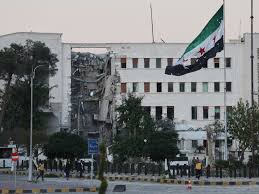
A new wave of violence shook the Damascus countryside early Friday morning when Israeli forces carried out a rare and aggressive ground operation inside Syrian territory. What began as a sudden military incursion in the village of Beit Jinn quickly escalated into direct clashes with local residents, leaving at least nine Syrians dead and several others injured. The incident has heightened fears of a deeper conflict as both nations navigate an increasingly volatile regional landscape.
A Dawn Operation That Sparked Chaos
According to local sources, Israeli troops entered the village under the cover of darkness, moving through the rugged terrain that surrounds Beit Jinn, a historically tense and strategically positioned area near the Golan Heights.
Soon after entering, Israeli units reportedly fired artillery shells and short-range missiles, triggering explosions that echoed across the hills.
Residents, many of whom were still asleep, described the attack as sudden and overwhelming. Homes rattled from blasts, livestock scattered, and families scrambled to protect their children. As civilians attempted to flee toward neighboring towns, fighting erupted on the village streets.
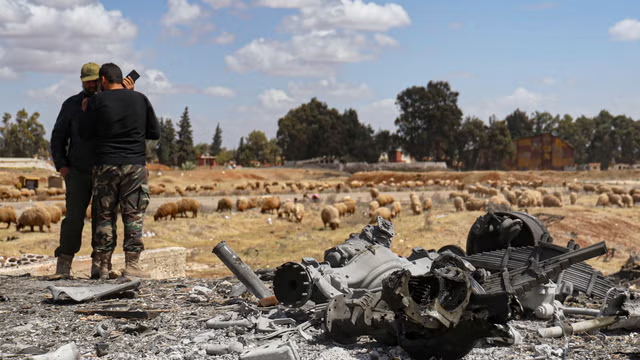
Clashes With Local Residents
Unlike previous strikes that were carried out from the air, this operation led to face-to-face confrontations. Armed locals and small community defense groups attempted to repel the advancing soldiers.
The exchange of fire lasted several minutes, with both sides taking casualties.
By the time hostilities subsided, nine Syrians had lost their lives, including civilians who were caught in the crossfire. Several others sustained serious wounds, overwhelming small local clinics already strained from years of instability.
Dozens of families abandoned their homes, moving toward safer areas with whatever belongings they could carry. Some residents described the scene as “a village emptied in minutes.”
Israeli Casualties and Conflicting Reports
While Syrian fatalities dominated the initial reports, Israeli media linked to military sources acknowledged injuries among Israeli troops. The number varied widely — some accounts mentioned two soldiers, while others claimed as many as six, including several in critical condition.
The discrepancy highlighted the fog of war and the sensitivity surrounding casualty disclosures during active operations.
A Broader Pattern of Escalation
This incident did not occur in isolation. Over the past year, Israeli operations inside Syrian territory have expanded noticeably — particularly in regions bordering the occupied Golan Heights.
Since Syria’s political restructuring in late 2024, cross-border tensions have intensified, with Israel increasing reconnaissance flights, border patrols, and sporadic strikes targeting what it describes as “security threats.”
In certain areas of southern Syria, Israel has reportedly established temporary positions, checkpoints, and patrol routes. Locals have frequently complained about restrictions on movement, harassment, and sporadic detentions.
The Beit Jinn incursion appears to be part of this broader strategy, but the direct engagement with Syrian civilians marks a dangerous turning point.
Humanitarian Concerns Rise
International observers and humanitarian organizations have expressed alarm over the displacement triggered by Friday’s attack.
Beit Jinn, already impoverished and underdeveloped, lacks the resources to handle sudden mass evacuations. Families fled with minimal supplies, and neighboring villages—which themselves lack adequate infrastructure—struggled to accommodate the influx.
Children, elderly residents, and disabled individuals faced the harshest impact, with emergency medical care and shelter proving insufficient.
Why Beit Jinn Matters
Beit Jinn’s location gives it unusual strategic significance:
-
It sits near crucial mountain corridors linking Damascus to the country’s southwest.
-
It borders sensitive areas near the Golan Heights, where military presence on both sides has increased.
-
The village has long been monitored by regional powers due to its elevation and proximity to contested territory.
For these reasons, even a small clash in Beit Jinn can ripple across the region.
The Risk of Regional Spillover
The latest violence further complicates an already fragile Middle Eastern security environment. With multiple conflicts unfolding simultaneously, any miscalculation along the Syria-Israel frontier could trigger broader instability.
Analysts warn that:
-
Syrian forces may feel pressure to respond more aggressively.
-
Israel may continue probing Syrian territory for strategic leverage.
-
Militias operating in southern Syria could exploit the situation for their own agendas.
Diplomatic channels remain strained, and no immediate de-escalation measures have been announced.
A Community Left in Shock
As the smoke settles, Beit Jinn’s residents face the painful task of burying their dead and rebuilding shattered homes. Fear hangs heavy in the air, and uncertainty about the future looms over the region.
For many Syrians, the attack is a stark reminder that despite years of conflict fatigue, new battles can erupt without warning — and civilians often pay the highest price.

