A tragic shooting unfolded near the White House on November 26, 2025, when two members of the West Virginia National Guard were attacked while conducting a routine patrol in downtown Washington, D.C. The event, which took place just a few blocks from one of the most heavily protected locations in the United States, has triggered widespread national concern, political debate, and renewed scrutiny of both immigration policies and domestic security protocols.
A Routine Patrol Turns Into a Deadly Attack
The attack occurred shortly after 2 p.m. as the two Guardsmen carried out a high-visibility patrol near the Farragut West area—an active commercial zone frequently visited by commuters, tourists, and federal employees. Without warning, a gunman opened fire on the soldiers in what authorities have described as a targeted and ambush-style attack. Emergency responders and nearby law enforcement officers arrived within moments, securing the scene and transporting the wounded to a local hospital.
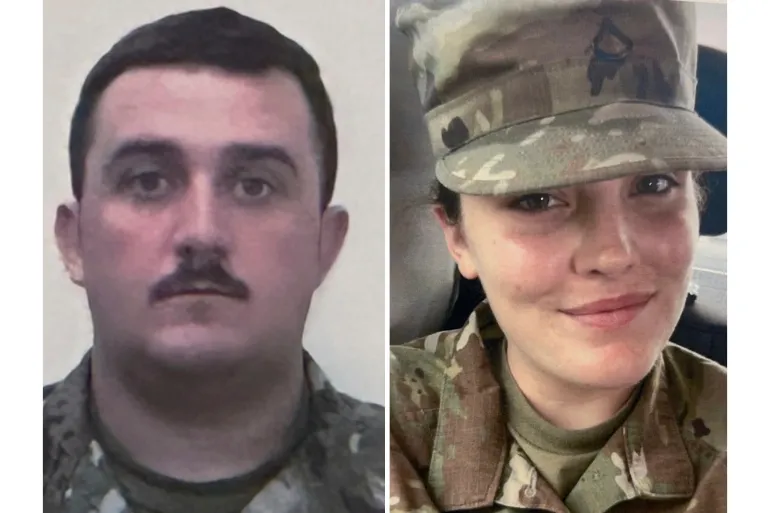
Despite immediate medical attention, 20-year-old Specialist Sarah Beckstrom died from her injuries the following day. Her death has shaken both her community and fellow service members, many of whom described her as dedicated, disciplined, and eager to serve. The second soldier, Staff Sergeant Andrew Wolfe, remains in critical condition as medical teams work to stabilize him.
The Suspect and the Investigation
The gunman, who was injured and detained at the scene, is a 29-year-old Afghan national who arrived in the United States four years earlier. Investigators have confirmed that he acted alone, although a full review of his background, motivations, and possible affiliations is still underway. Federal agencies, including counterterrorism units, are leading the investigation, examining digital records, communications, and travel history to determine whether the incident was premeditated or influenced by outside factors.
Officials have also begun reconstructing the minutes leading up to the shooting using surveillance footage, witness accounts, and forensic evidence from the scene. Early findings suggest that the attack was deliberate and that the Guardsmen were specifically targeted. This assessment has intensified concerns about how an individual with violent intent was able to carry out an attack in an area known for strong law-enforcement presence.
Political and Public Reactions
The attack has generated strong reactions across the political spectrum. Leaders have expressed condolences to the victims’ families and commended the swift response of law-enforcement officers. However, the event has also sparked heated debate over national security vulnerabilities and the adequacy of current immigration screening processes.
Several political figures have described the shooting as a “wake-up call” for the country, arguing that border security and vetting policies must be tightened to prevent similar tragedies. They have called for immediate reviews of resettlement programs and background-check procedures, particularly for individuals coming from conflict zones. Others, however, caution against using a single violent incident to generalize or stigmatize immigrant communities, emphasizing that millions of refugees and asylum seekers contribute positively to American society.
Civil rights groups have warned against framing the tragedy in a way that fuels prejudice or collective blame. According to them, the focus should remain on the individual responsible and the systemic gaps that may have allowed the attack to occur—not on entire populations who have fled violence themselves.
Security Concerns in the Nation’s Capital
The shooting has renewed questions about security in Washington, D.C., especially in areas surrounding federal buildings and national landmarks. National Guard members were originally deployed in the capital to supplement local law enforcement and provide visible deterrence in high-traffic areas. The fact that uniformed personnel on duty were attacked so close to the White House has raised concern about whether current security measures are sufficient.
Security experts argue that even with advanced surveillance systems and regular patrols, public spaces in open-access cities remain difficult to fully protect. They highlight a growing challenge: the need to balance public accessibility with strong security, particularly in locations where both civilians and government officials circulate daily.
Local officials have stated that additional security assessments are underway, and increased patrols have already been implemented temporarily. Discussions are ongoing about potentially expanding the role of federal security agencies in the capital or upgrading surveillance and threat-detection technologies.
Impact on Immigration and Refugee Policy
The suspect’s immigration status has become a focal point of national conversation. Some lawmakers have proposed pausing or reviewing specific resettlement programs until more rigorous screening procedures can be established. Others argue that such measures risk undermining America’s longstanding role as a safe haven for those fleeing war and instability.
Policy analysts note that it is possible to strengthen security protocols without eliminating or broadly restricting humanitarian programs. They stress the importance of evaluating what, if anything, failed in this case—whether the issue was insufficient vetting, missed warning signs, or gaps in communication among agencies.
A Nation Reflecting and Responding
As the investigation continues, the tragedy has left the nation grappling with difficult questions about safety, freedom, and responsibility. The death of a young soldier in service to her country has touched countless Americans and sparked a search for accountability and solutions. Meanwhile, the fight for survival continues for the second Guardsman, whose recovery remains uncertain.
The coming weeks will bring more clarity as investigators uncover new information and officials determine the appropriate policy responses. In the aftermath of this tragedy, the country faces the challenge of protecting its citizens without compromising its values—an ongoing struggle at the heart of American democracy.