
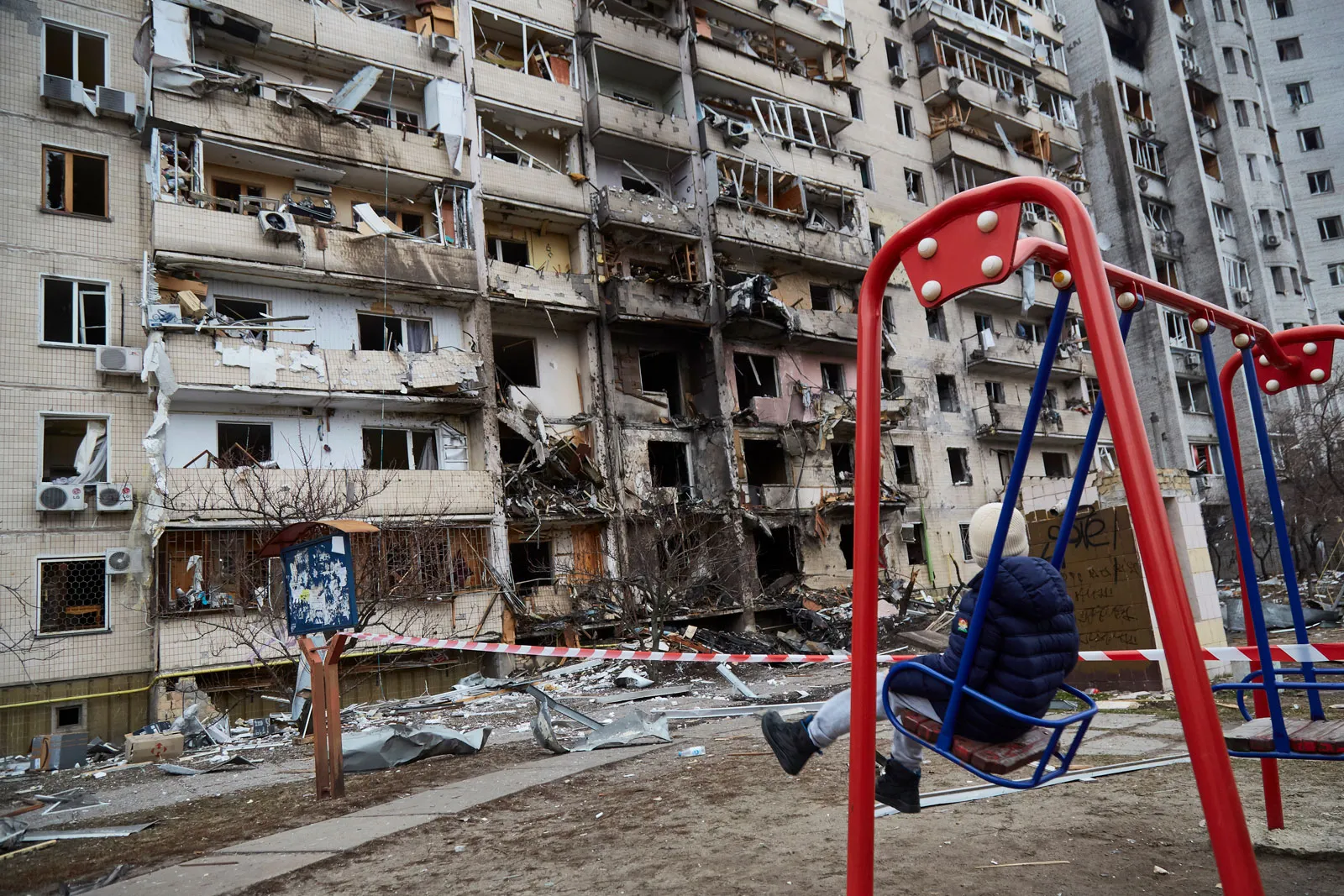
The Russia-Ukraine war, now in its fourth year, continues to devastate lives and infrastructure across both nations. On November 25, 2025, renewed attacks in Kyiv, Ukraine, and Rostov, Russia, resulted in multiple civilian casualties and heightened concerns about the humanitarian impact of the ongoing conflict. These strikes underscore the persistent threats faced by civilians, the challenges of protecting urban areas during war, and the broader geopolitical tensions that the conflict has fueled.
Recent Attacks: What Happened
On the night of November 25, 2025, both Russian and Ukrainian forces carried out targeted attacks on each other’s territory, resulting in the loss of lives in populated areas. Ukrainian authorities reported that six civilians were killed in Kyiv when missiles and drones struck residential neighborhoods and key infrastructure. Emergency responders scrambled to extinguish fires, rescue trapped residents, and provide medical assistance to those injured. The attacks also caused extensive damage to utilities, leaving parts of the city temporarily without electricity and water.
In response, Russian officials stated that three civilians were killed in the Rostov region due to Ukrainian missile strikes targeting the area. Homes, businesses, and local infrastructure were damaged, forcing families to evacuate and seek shelter elsewhere. The dual nature of these attacks demonstrates that civilian populations on both sides of the conflict remain at serious risk, even as international attention focuses on diplomatic solutions.
The Humanitarian Toll
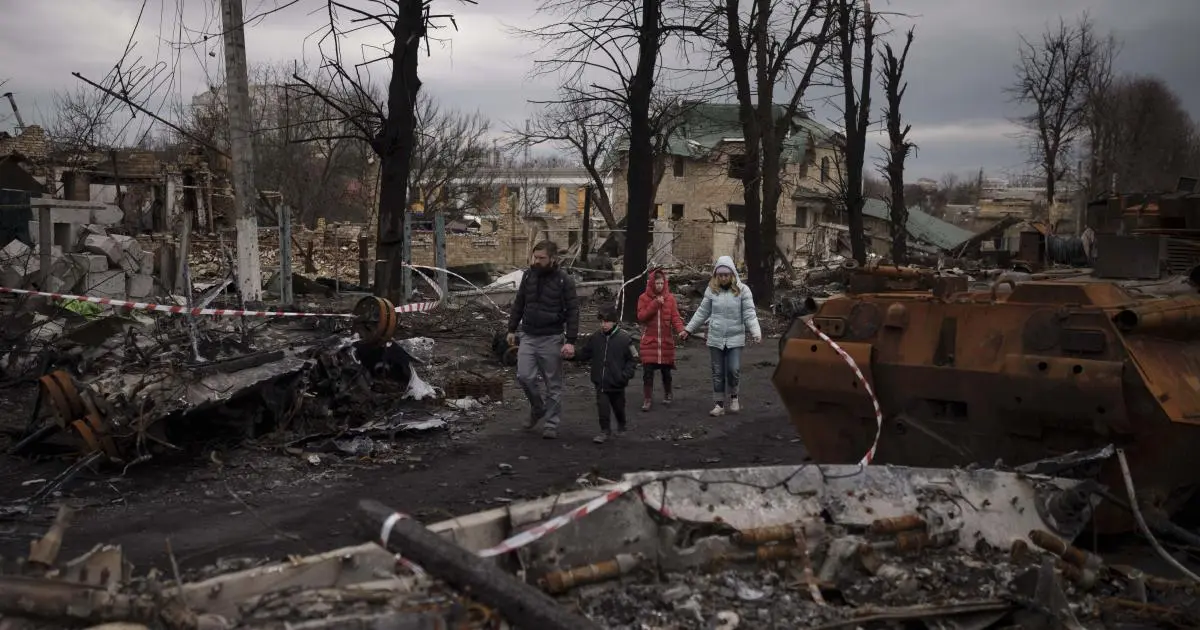
The November 25 attacks are a stark reminder of the human cost of the ongoing war. Civilians in Ukraine and border regions of Russia face the constant threat of aerial bombardments, artillery strikes, and drone attacks. The following aspects highlight the humanitarian implications:
-
Civilian fatalities and injuries: The attacks directly caused at least nine deaths and multiple injuries, further adding to the thousands of casualties already reported since the war’s escalation in 2022.
-
Displacement: Repeated strikes on residential areas force families to leave their homes, creating internal displacement and refugee movements. This exacerbates existing strains on shelters, humanitarian agencies, and host communities.
-
Infrastructure disruption: The destruction of buildings, roads, and essential services such as electricity, water, and communication networks complicates relief efforts and daily life.
-
Psychological impact: The trauma of repeated attacks affects both adults and children, with long-term mental health consequences. Constant fear, loss of homes, and disruption of routines contribute to widespread psychological distress.
Military and Strategic Considerations
From a military standpoint, the attacks on November 25 illustrate several key dynamics of the ongoing conflict:
-
Use of modern technology: Both sides continue to rely on drones and missiles to conduct strikes over long distances. These tools allow targeting of urban and strategic areas, but they also increase the likelihood of civilian casualties.
-
Urban combat risks: The attacks highlight the dangers inherent in modern urban warfare. Cities like Kyiv and Rostov are heavily populated, and strikes in these areas can cause both direct and collateral damage.
-
Psychological operations: Attacks on residential areas are often intended to create fear and disrupt normal life, pressuring governments and citizens alike. Such strategies underscore the non-military consequences of modern conflict.
-
Escalation potential: Each strike carries the risk of retaliation and further escalation. The cycle of attack and counterattack prolongs the war, making a resolution increasingly difficult and endangering civilians on both sides.
Political and Diplomatic Implications
The November 25 attacks have significant political and diplomatic ramifications. They highlight the challenges facing international actors attempting to mediate peace. While multiple nations and organizations have pushed for ceasefire agreements and negotiations, continued attacks undermine these efforts.
-
For Ukraine: The strikes reinforce the urgency of military and diplomatic support from allies. Ukraine continues to advocate for both security guarantees and humanitarian assistance to protect its civilian population.
-
For Russia: Civilian casualties within Russian territory may impact domestic opinion and international perception. Moscow’s narrative of security threats versus Ukraine is complicated by its own citizens’ vulnerability to attacks.
-
For international actors: The attacks draw renewed attention from the global community, emphasizing the need for continued humanitarian aid, sanctions enforcement, and diplomatic engagement to prevent further escalation.
Broader Implications for Civilians
The attacks also illustrate the broader challenges faced by civilians in war zones:
-
Strain on emergency services: Firefighters, medical personnel, and rescue teams face dangerous conditions while responding to strikes. Repeated attacks deplete resources and stretch emergency services thin.
-
Education and livelihoods disrupted: Schools, offices, and businesses affected by missile and drone strikes interrupt the lives of citizens and affect economic stability.
-
Long-term rebuilding needs: Reconstructing damaged infrastructure will require substantial financial and logistical support, extending the humanitarian impact long after active fighting subsides.
The Path Forward
While the attacks underscore the fragility of civilian safety, several measures are critical to mitigating harm and supporting peace efforts:
-
Humanitarian assistance: Continued international aid is necessary to provide shelter, medical care, and basic needs for displaced and injured civilians.
-
Civilian protection: Strengthening early-warning systems, evacuation plans, and protective infrastructure in urban areas can reduce casualties in future attacks.
-
Diplomatic engagement: Sustained dialogue among international stakeholders is essential to create frameworks for ceasefires, negotiations, and eventual conflict resolution.
-
Monitoring and accountability: Independent investigations into civilian casualties can help enforce international law and deter deliberate targeting of non-combatants.
Conclusion
The attacks on Kyiv and Rostov on November 25, 2025, serve as a grim reminder of the ongoing human cost of the Russia-Ukraine conflict. Civilians remain at the center of this crisis, enduring threats to life, property, and well-being. The dual attacks highlight the complex nature of modern warfare, where advanced military technologies, urban environments, and civilian populations intersect.
Mitigating the humanitarian impact requires a combination of immediate relief, long-term infrastructure rebuilding, and renewed diplomatic efforts. As the conflict continues, the international community faces the challenge of balancing strategic responses, humanitarian support, and efforts toward a peaceful resolution. Protecting civilians and maintaining their safety must remain a central priority in navigating this ongoing crisis.

