On the morning of November 24, 2025, a brazen attack struck at the heart of Pakistan’s internal security apparatus. The headquarters of the Federal Constabulary (FC), a paramilitary force based in Peshawar, came under coordinated gunfire and suicide bombings. The incident unfolded in a densely populated neighborhood, triggering a high‑alert security response and leaving several dead and wounded.
What Happened?
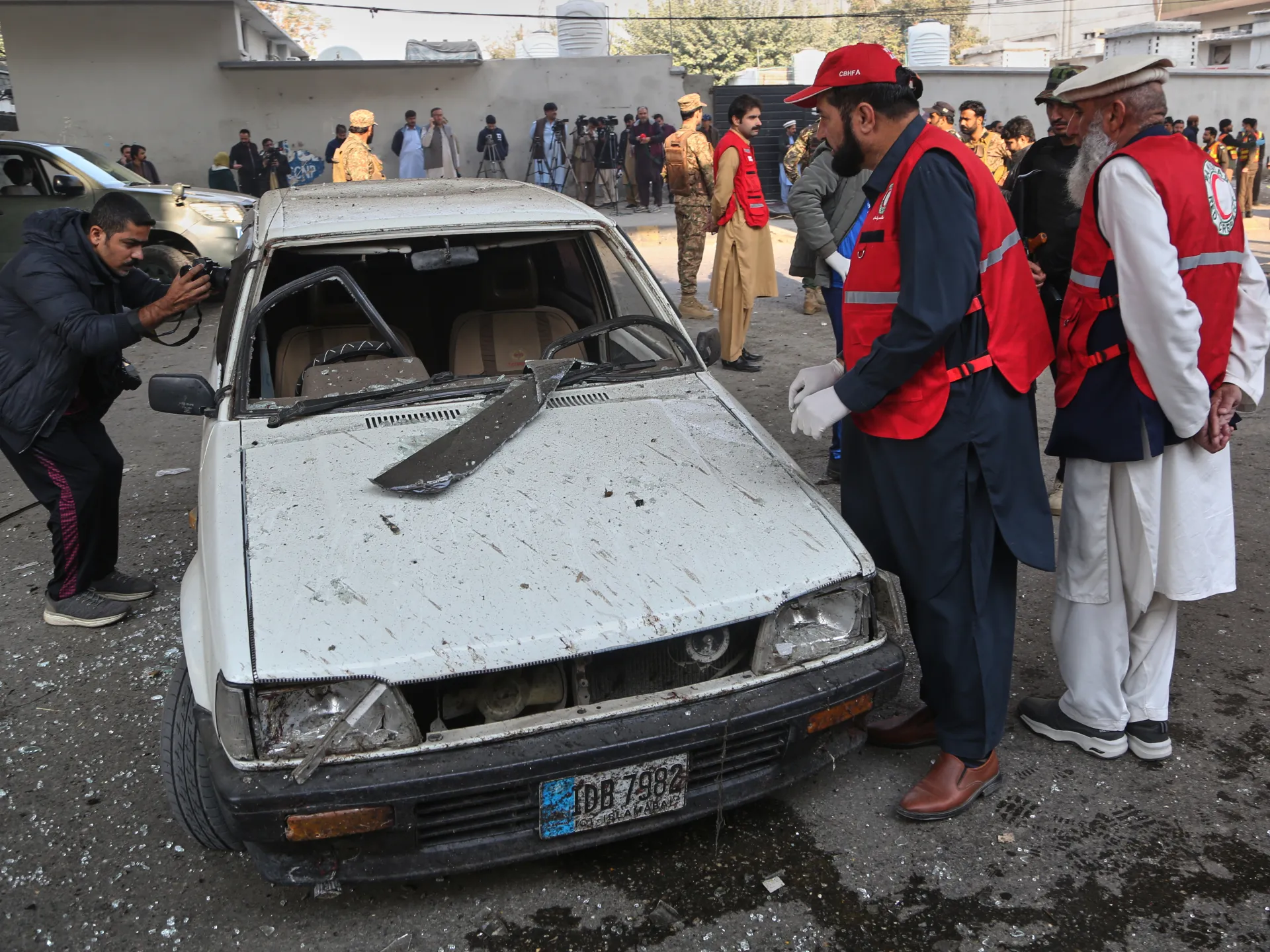
According to official and media reports, the assault began just after 8:10 a.m., when multiple attackers struck the FC compound. One suicide bomber detonated explosives at the main gate, triggering a powerful explosion. As security forces scrambled to respond, gunmen inside the compound opened fire. Two additional attackers tried to infiltrate deeper into the facility, but they were met with immediate resistance from brave FC personnel. Security forces eventually neutralized the two militants.
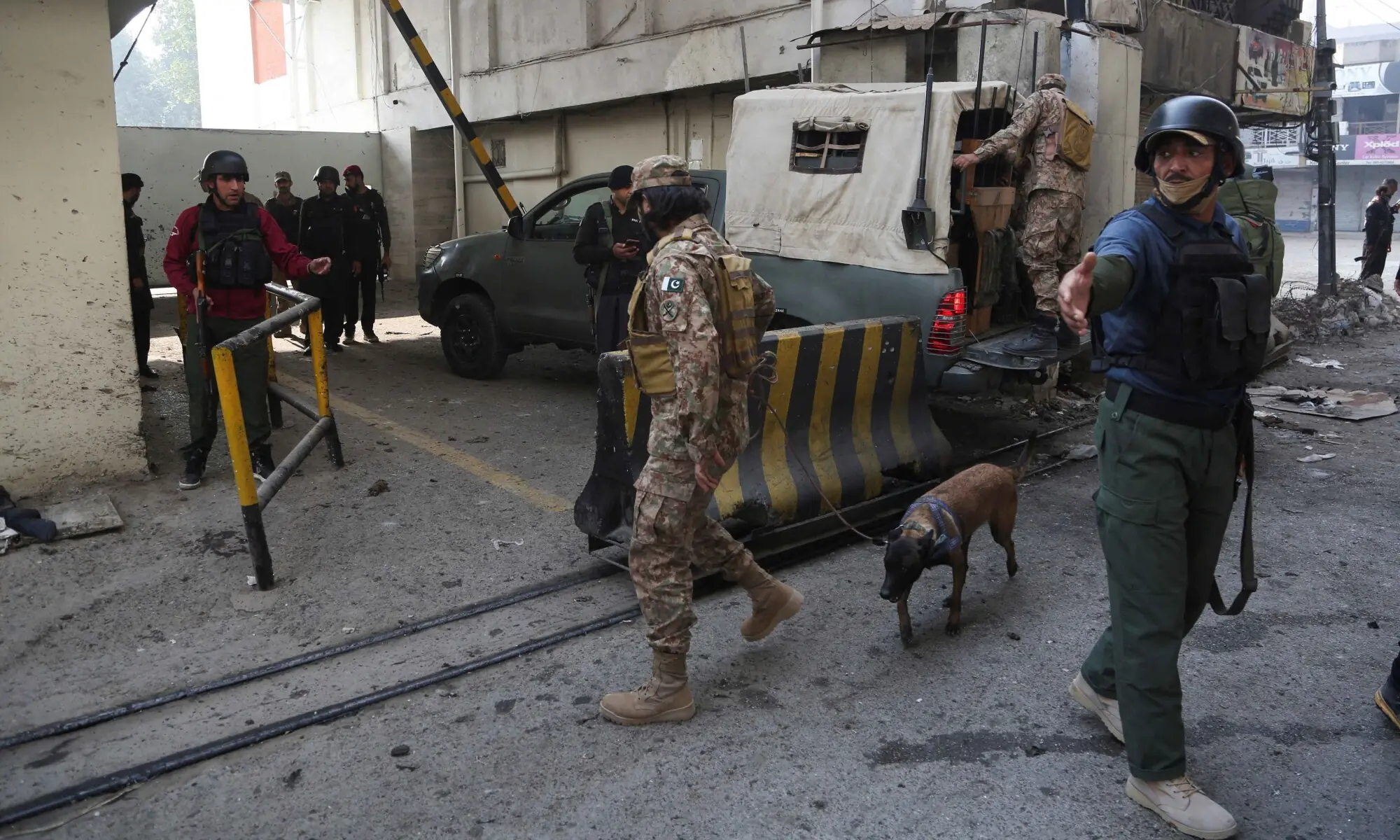
The chaos led to loud explosions and sustained gunfire, as the assailants sought to create maximum disruption. Reinforcements, including police and army units, rapidly cordoned off the area to prevent further escalation and to secure the compound. Given the scale and complexity of the attack, authorities launched a clearance operation, searching for possible remaining threats inside the headquarters.
Casualties and Damage
Tragically, three FC personnel were killed in the attack. Several others, including both force members and civilians, were wounded. Emergency responders quickly moved the injured to nearby hospitals, including the prominent Lady Reading Hospital. Medical teams reported treating multiple casualties, some of whom were in serious condition.
The explosion at the gate shattered windows of nearby buildings, and panic spread quickly through the neighborhood. Roads were shut down, and a security perimeter was established around the compound to ensure the safety of bystanders and to facilitate rescue efforts.
Response from Security Forces
Authorities praised the swift and coordinated response of the FC soldiers, whose vigilance and training prevented the attackers from reaching more vulnerable areas. According to local law enforcement, two of the attackers were successfully shot by security personnel before they could penetrate deeper into the headquarters.
Security officials and local police immediately sealed off major access points to the compound. They also imposed restrictions on nearby roads as part of their cordon-and-search efforts. The operation was handled carefully to minimize further civilian harm, with both the army and local police working in tandem to stabilize the situation.
Context and Possible Motives
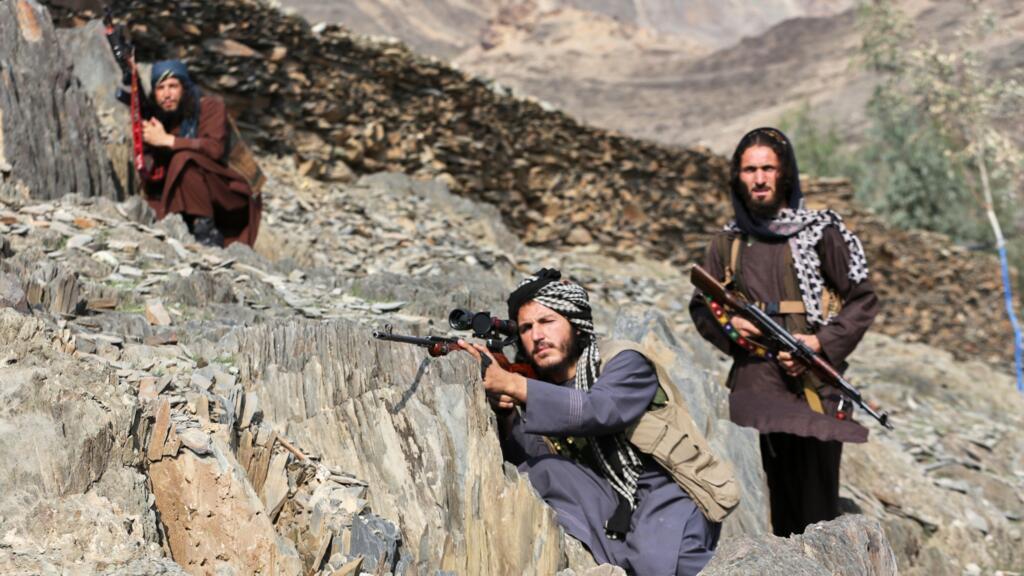
While no group has yet claimed responsibility, the attack is widely viewed in the context of a broader pattern of militant activity in the region. Peshawar, in particular, has long been a flashpoint for such violence, given its proximity to the Afghan border and its history of insurgent threats.
Some analysts suggest that this assault may be part of a resurgence of extremist elements seeking to challenge the state’s security infrastructure. The use of twin suicide bombers, coupled with gunmen, shows a level of planning and coordination that only organized groups could pull off.
The timing is also significant. The attack comes amid rising tensions in the region, including cross-border dynamics and increased militant operations. Security experts warn that such attacks are not just symbolic — they aim to undermine public confidence and provoke further instability.
Civilian Impact and Public Reaction
Because the FC headquarters sits in a crowded area, not far from residential and commercial buildings, the attack had a pronounced effect on the local population. Residents reported terrifying scenes: windows shattered, people running for cover, and emergency services rushing in. Businesses closed for the day, and traffic was diverted as security forces established a heavy presence.
Many civilians praised the prompt response of the security personnel, expressing relief that the attackers were stopped before they could inflict even greater damage. Local leaders expressed concern at the boldness of the assault, calling it an attack not just on a security installation but on the people of Peshawar and the sovereignty of Pakistan.
Political and Institutional Response
High-ranking officials condemned the attack swiftly and unanimously. Calls for accountability, improved intelligence, and stronger preventive measures echoed through political circles and government institutions. The provincial government also pledged to increase support for security agencies and to tighten security protocols around critical infrastructure.
Security analysts emphasize that the incident could trigger a renewed push for reform within paramilitary and policing structures. Given that this attack targeted a paramilitary institution, there is also concern about the broader implications for national counterterrorism strategy — particularly the need for better surveillance, intelligence sharing, and community cooperation.
Broader Implications for Pakistan’s Security
This assault is more than a localized act of terror; it is a signal. It underscores the persistent threat posed by extremist groups, even in well-guarded and high-profile installations. It also highlights vulnerabilities in urban security architecture, where dense civilian areas overlap with critical security facilities.
Moreover, the incident may influence Pakistan’s counterterrorism narrative. There could be an increased push for cross-border cooperation, intelligence reform, and improved rapid response mechanisms. The attack may also reignite debates about the role of para forces like the FC in national security and whether stronger measures are needed to guard these vital assets.
Looking Ahead
In the wake of this attack, security forces are likely to review and overhaul their threat-assessment processes. The clearance operation at the FC compound will be followed by thorough forensic investigations, intelligence debriefings, and a public accounting of how the breach happened.
There is also the question of deterrence: how to prevent future attacks through a mix of intelligence, community engagement, and force preparedness. Local communities will likely be drawn into a renewed conversation about security, resilience, and cooperation with law enforcement.
For now, the bravery of the FC personnel who repelled the attackers has been widely recognized. Their sacrifice and vigilance may have averted a far worse disaster.
For more information:
Al Jazeera — Gunmen and a suicide bomber attack paramilitary force HQ in Peshawar
https://www.aljazeera.com/news/2025/11/24/gunfire-explosions-at-paramilitary-hq-in-pakistans-peshawar-reports