
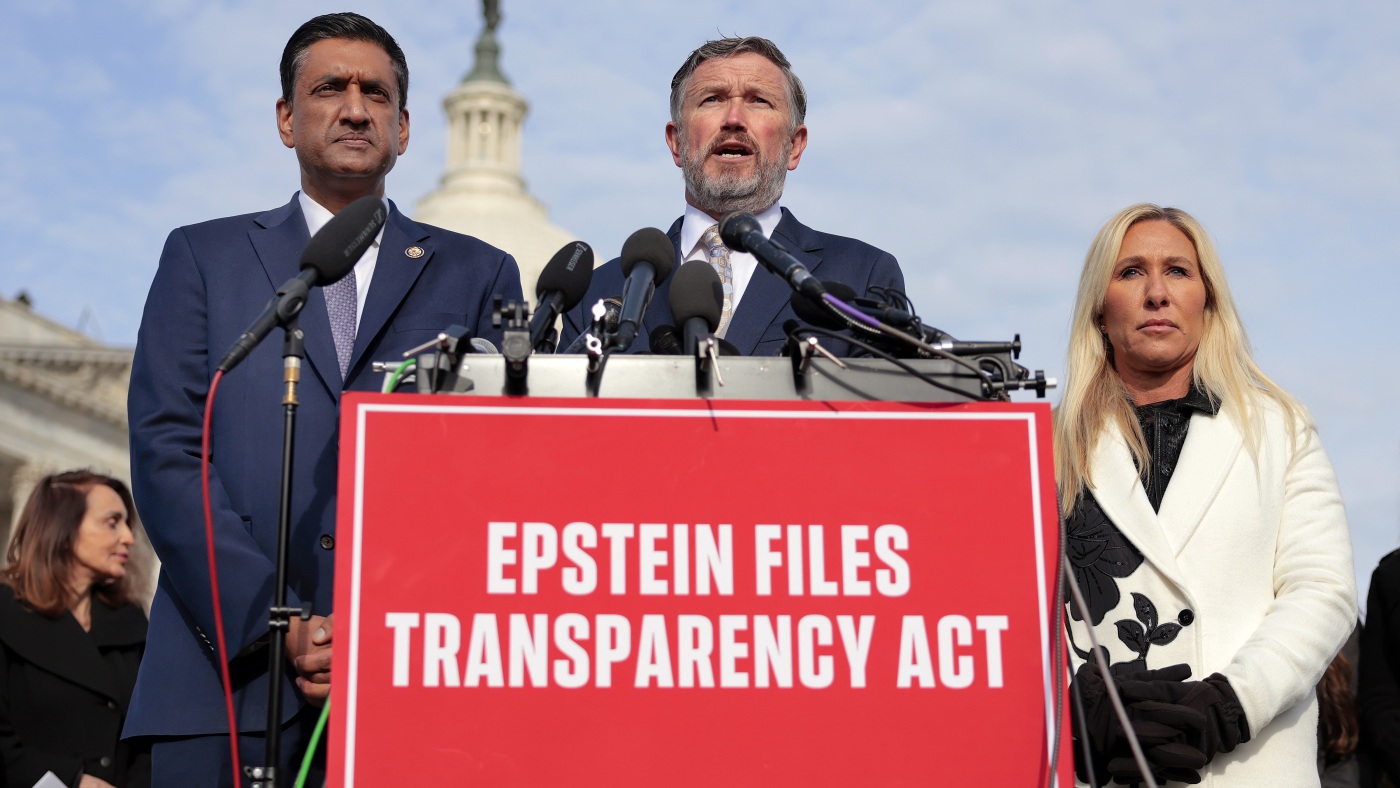
The release of government documents has always played an important role in shaping public understanding of historical events, major investigations, and political controversies. Few cases, however, have generated the level of public curiosity and suspicion that surrounds the story of Jeffrey Epstein. When former President Donald Trump signed the bill requiring the Department of Justice (DOJ) to publish unclassified Epstein-related records, it reignited a national debate—one that connects transparency, political maneuvering, and the long-standing mystery surrounding Epstein’s connections.
The bill, which mandates the release of non-classified files within a specific timeframe, marks a major development in a case that has remained clouded by unanswered questions. This blogpost analyzes what the new law means, why Trump’s decision was unexpected, and how this move could shape public understanding in the months to come.
A Bill That Demands Openness
The newly signed bill orders the DOJ to publish all unclassified materials related to Jeffrey Epstein. These materials may include investigation notes, correspondence, internal reports, flight logs, and other documents that have been kept out of public access for years. The intent behind the legislation is straightforward: to provide transparency about a case that has long been shrouded in secrecy.
A key component of the bill is its directive that the files be published online in a publicly accessible format. This ensures that the information does not remain within government archives, where access is limited and largely controlled. Instead, journalists, researchers, and ordinary citizens will all have the opportunity to review the materials.
Of course, the bill allows for certain redactions. Victim privacy remains a top concern, and ongoing investigations must not be compromised. Still, the central idea is that secrecy should not be used to protect reputations or shield influential individuals from public scrutiny.
Why Trump’s Decision Surprised Many
Donald Trump’s relationship with this legislation has been complicated. Earlier, he criticized the bill and suggested that it was politically motivated. His opposition stemmed from the idea that certain political groups were using the Epstein case to target him or create public doubt about his past associations. At one point, he referred to the legislation as a partisan tactic.
Yet despite his earlier criticism, Trump eventually announced that he had signed the bill. His decision suggests either a strategic shift or a recognition that blocking the legislation might have carried political costs. For some observers, it appeared that Trump wanted to take ownership of the narrative by framing the release as something he chose, not something he was compelled into.
Trump also emphasized transparency in his statement, arguing that the American people deserve to know what the government has known for years. His message positioned the signing as an act of accountability, even though it represented a reversal from his previous stance.
This shift has fueled speculation: was his decision driven by political calculation, public pressure, or a genuine belief in transparency? The answer is still unclear.
The DOJ’s Role and Responsibilities
With the bill now signed, the spotlight shifts to the Department of Justice. The DOJ is required to prepare the files for release in a way that balances transparency with legal and ethical considerations. The most delicate aspect of this process is protecting the identities and well-being of victims. Their personal information and private statements cannot be exposed without consent.
Another major consideration is whether certain documents relate to active investigations. Although Epstein is no longer alive, there are still individuals connected to him who may be under scrutiny. Releasing sensitive information prematurely could jeopardize potential legal actions.
The DOJ is therefore tasked with navigating a careful balance: provide as much information as the law demands, while preventing harm, safeguarding investigations, and complying with legal standards.
Why the Epstein Case Still Grips the Public
Jeffrey Epstein’s life, crimes, and associations sparked immense controversy long before this bill was signed. His social circle included politicians, billionaires, celebrities, and influential figures from multiple countries. Many people have long believed that the full truth about his network, actions, and enablers has never been disclosed.
This context explains why the bill to release Epstein documents has drawn attention from across the political spectrum. Advocates of transparency hope that the new disclosures will answer long-standing questions or at least clarify the actions taken by law enforcement and federal agencies. For victims, the transparency may provide a sense of validation or closure.
Still, there are concerns. Some activists worry that partial releases may fuel speculation rather than clarify it. Others believe the documents may reveal systemic failures in law enforcement, especially relating to Epstein’s lenient plea deal years ago or the federal oversight that followed.
What is clear is that the public’s interest in this case has not faded. The bill’s passage reflects that enduring concern and the belief that government transparency is long overdue.
Political Implications Moving Forward
The signing of the bill also carries political implications. Trump’s decision could reshape public perception of his involvement—or lack thereof—in the broader scandal. By choosing to sign the bill, he positions himself as an advocate for truth and openness, even though the timing of his shift has raised questions.
Lawmakers who supported the bill frame it as a victory for government accountability. They argue that the public has the right to know the full extent of Epstein’s connections and the government’s handling of the case.
On the other side, critics caution that the release must be handled responsibly. The possibility of misinformation, misinterpretation, or politically motivated use of the documents remains a concern. In a polarized political climate, even factual disclosures can become ammunition for competing narratives.
What Comes Next?
Over the coming weeks, the DOJ will begin preparing the documents for release. The public will be watching closely to see which names, details, and findings appear. It is likely that some disclosures will lead to new questions, further investigations, and intense public debate.
The release of these files will not resolve every mystery surrounding Epstein—no document release can offer complete clarity. But it does mark a significant step toward transparency, one that many believe has been delayed for far too long.
The true impact of this legislation will only be understood once the documents become available. For now, the signing of the bill represents a major milestone in one of the most controversial criminal cases of the modern era.
References
-
CBS News – Trump says he signed bill requiring release of Jeffrey Epstein files
https://www.cbsnews.com/news/trump-says-signed-epstein-files-bill/ -
TIME – Trump Signs Bill Ordering DOJ to Release Epstein Records
https://time.com/7313079/trump-signs-bill-release-epstein-documents/ -
The Guardian – Trump claims he signed Epstein files bill
https://www.theguardian.com/us-news/2025/feb/12/donald-trump-epstein-files-bill