In mid-November 2025, Ethiopia found itself confronting an unexpected and alarming public-health emergency: the confirmation of several deaths linked to the Marburg virus. Although the country has grappled with various health challenges over the years—ranging from cholera flare-ups to the aftershocks of COVID-19—this development is especially concerning. Marburg is not a common virus in East Africa, and its re-emergence has triggered urgent discussions about preparedness, cross-border cooperation, and the vulnerabilities of health systems in the region.
The recent deaths reported by Ethiopian authorities are not just numbers. They represent the beginning of a potential outbreak in a region already strained from conflict, climate-induced displacement, and limited health infrastructure. What makes Marburg particularly frightening is its similarity to Ebola. Both viruses belong to the filovirus family and can cause severe hemorrhagic fever, rapid deterioration, and high fatality rates. Unlike COVID-19, which can range from mild to severe, Marburg often progresses aggressively, giving health officials little time to respond.
Understanding the Threat: What Is Marburg Virus?
Marburg virus is transmitted from animals—often fruit bats—to humans, and then spreads through direct contact with bodily fluids. Once it enters a community, the virus can spread rapidly, especially in areas with limited sanitation or where access to medical care is restricted. Symptoms usually begin with high fever, intense headache, and severe weakness. As the disease progresses, patients may develop bleeding, organ failure, and shock.
What makes an outbreak like this especially challenging is the absence of a licensed vaccine or specific antiviral treatment. Supportive care—such as rehydration, oxygen therapy, and management of organ complications—is currently the only medical approach that improves survival odds. This puts enormous pressure on healthcare systems to detect cases early and prevent transmission.
Why This Outbreak Matters Now
Ethiopia’s recent confirmation of Marburg-related deaths comes at a time when the country is already navigating social and political turbulence. Internal displacement, regional inequalities, and fragile health facilities create an environment where infectious diseases can escalate rapidly. In remote or underserved areas, health centers may lack protective equipment, trained staff, or even basic diagnostic tools needed to identify and isolate cases.
This outbreak also matters because of its geographic implications. Southern Ethiopia, where cases were first detected, sits near borders shared with Kenya and South Sudan—countries that face their own health and security challenges. With frequent cross-border movements for trade, agriculture, and pastoral livelihoods, the virus does not need much time to find new hosts across national frontiers.
Regional Alarm and the Risk of Spread
Whenever Marburg appears in Africa, neighboring governments immediately take notice. This is not only because of the virus’s high fatality rate but also because of the rapidity with which it can overwhelm communities. Countries like Uganda and the Democratic Republic of the Congo have dealt with filovirus outbreaks before, and experience shows that early action is crucial.
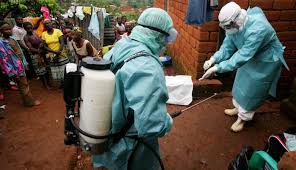
In this case, regional authorities are reportedly increasing screening at border points, enhancing surveillance in rural clinics, and urging residents to practice precautionary measures, such as avoiding direct contact with sick individuals and maintaining strict hygiene practices. Public-health communication becomes vital during such times—informing communities without causing panic is a delicate balance that governments must manage.
The challenge, however, is that Marburg outbreaks often start in areas where access to information is limited. Rumors can spread faster than facts, and mistrust of authorities can discourage people from reporting symptoms or seeking medical help. This underscores the importance of community-level awareness programs led by trusted local figures, health workers, and civil-society organizations.

Lessons From Past Filovirus Outbreaks
Past outbreaks across Africa have shown that viruses like Marburg and Ebola are not simply medical problems—they are deeply intertwined with socioeconomic realities. When people lack access to clean water, when clinics have no oxygen supply, when hospitals are understaffed, or when conflict limits mobility, a virus can turn into a humanitarian crisis.
Countries that have managed these outbreaks effectively often rely on:
-
Quick isolation of suspected cases
-
Rapid laboratory testing and contact tracing
-
Strong coordination between national and local authorities
-
Clear and culturally sensitive public communication
-
International support for supplies, logistics, and training
Ethiopia’s ability to implement these measures will strongly influence how far the outbreak spreads.
Impact on Communities and Public Confidence
Beyond the immediate health risk, outbreaks affect daily life. Markets may close, schools may suspend classes, and travel could become restricted. These disruptions deepen economic hardship, especially in rural areas where families rely heavily on daily income. Moreover, fear of infection can discourage people from visiting hospitals even for unrelated illnesses, potentially increasing mortality from treatable conditions.
Public trust is another crucial factor. If communities believe the government is hiding information or acting too slowly, social tension can rise. Transparent communication—sharing what is known, what is uncertain, and what steps are being taken—is essential for maintaining public cooperation.
A Critical Moment for East Africa
Ethiopia’s Marburg outbreak is not just a national issue—it represents a test for regional preparedness. Over the last decade, East Africa has experienced multiple health emergencies, many driven by climate change, population density, and weak infrastructure. As countries work to strengthen their health systems, this outbreak is an urgent reminder of the need for constant vigilance and cooperation.
Stronger surveillance networks, investment in laboratory capacity, training for frontline health workers, and reliable community outreach systems will all be essential in the coming weeks. Whether the outbreak remains contained or spreads further will depend on how quickly these measures are implemented.
Conclusion
The confirmation of Marburg-related deaths in Ethiopia signals a dangerous moment for both the country and the region. While the virus is deadly, early action and strong coordination can prevent widespread transmission. The coming days and weeks will be critical. Africa has overcome filovirus outbreaks before—and with decisive leadership, community engagement, and rapid medical response, Ethiopia can do the same.