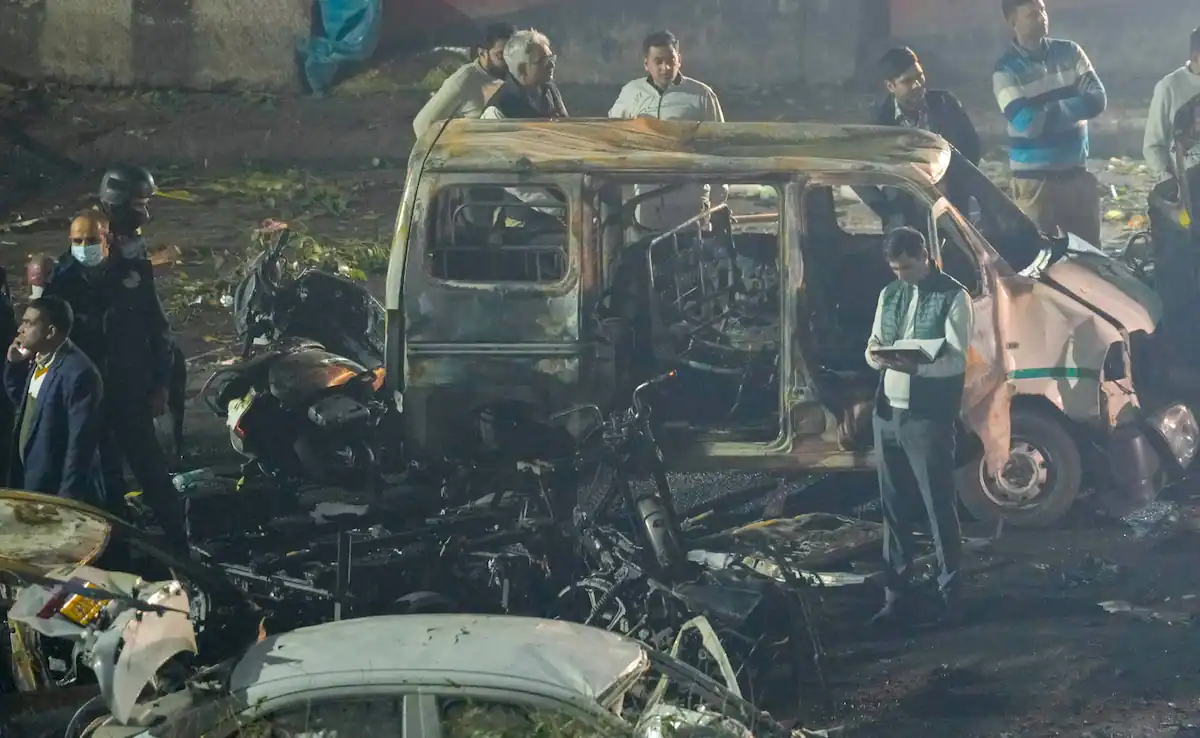
A devastating explosion shook Old Delhi on Monday evening, leaving at least 13 people dead and over 20 injured. The blast occurred near the historic Red Fort, one of India’s most iconic landmarks, during the evening rush hour, sending shockwaves through the city and prompting authorities to invoke India’s stringent counterterrorism laws. The incident marks one of the deadliest attacks in the nation’s capital in more than a decade.
The Incident
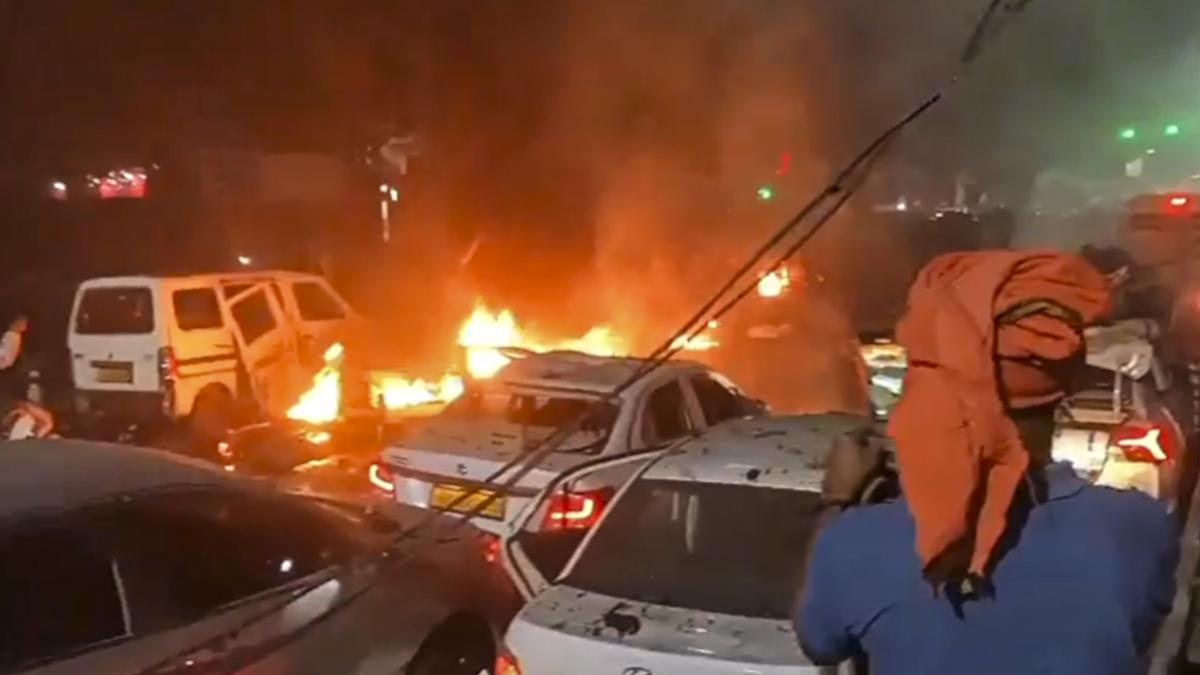
According to Delhi police, the explosion originated from a moving Hyundai i20 car that had stopped at a red traffic light. The vehicle was said to be slow-moving when a sudden high-intensity blast occurred, causing nearby cars and autorickshaws to catch fire. Eyewitnesses described scenes of chaos, with smoke and flames rising from the wreckage and terrified pedestrians running for safety. Windows shattered, vehicles were mangled, and debris littered the busy streets linking the Red Fort to Chandni Chowk Market.
Delhi Police Commissioner Satish Golcha confirmed that the explosion directly damaged several vehicles and claimed multiple lives. Emergency services rushed the injured to nearby hospitals, where medical staff worked tirelessly to stabilize victims. Hospitals in the area reported treating severe burn injuries, fractures, and trauma cases resulting from the explosion.
Investigation and Arrests
Police detained Mohammad Salman, the original owner of the car, in Gurugram, Haryana. Salman purchased the vehicle in 2013 and had sold it to another individual in New Delhi, who has also been arrested. The car, however, still bore Salman’s name on official records. Investigators are probing whether the vehicle was deliberately used as a tool for terrorism or if the explosion had other underlying causes.
The Indian authorities registered a case under the Unlawful Activities (Prevention) Act (UAPA) and the Explosives Act, treating the blast as a potential act of terrorism. This approach allows law enforcement to investigate systematically and use counterterrorism measures, reflecting the gravity of the incident even before suspects or motives are fully confirmed.
The Historical and Cultural Context
The blast occurred in a sensitive area near the Red Fort, a 17th-century Mughal-era fort completed in 1648 by Emperor Shah Jahan. The fort is not only an architectural masterpiece but also holds immense national significance. India’s first Prime Minister, Jawaharlal Nehru, delivered his Independence Day speech from the Red Fort in 1947, a tradition that continues annually on August 15. Its proximity to bustling commercial areas like Chandni Chowk makes the site both historically important and highly populated.
Security Measures and National Response
In response to the blast, security forces across Delhi and major Indian cities were placed on high alert. Railway stations, metro stations, and busy intersections underwent thorough inspections, with special attention to vehicles and suspicious packages. Officials also urged the public to remain vigilant and report unusual activity.
Prime Minister Narendra Modi condemned the attack, asserting that those responsible “will not be spared.” Both federal and local authorities have emphasized that the incident is being treated with utmost seriousness, given the potential implications for national security and public safety.
Eyewitness Accounts
Residents and shopkeepers in the area described scenes of panic and terror. One witness recounted seeing human remains and destroyed vehicles scattered along the street, while another described the terrifying sound of the blast and the ensuing fire. Relatives of the injured and missing rushed to hospitals in search of their loved ones, navigating through cordoned-off streets and tightly controlled security zones.
Many witnesses highlighted the unprecedented scale of the blast, emphasizing the psychological impact on the local population. For families and residents of Old Delhi, the incident has left a lasting sense of insecurity, raising concerns about how such attacks can be prevented in densely populated areas.
Background and Possible Connections
The explosion occurred just hours after authorities arrested a Kashmiri doctor in Haryana for allegedly plotting a terrorist attack and seizing large quantities of explosives and weapons. While officials have not confirmed a direct link between that plot and Monday’s explosion, investigators are exploring all possible connections, including whether organized networks or external actors may have played a role.
Security analysts note that the blast reflects a continuing challenge for Indian authorities in protecting high-density urban areas from terrorism. Old Delhi, with its narrow lanes, historic monuments, and heavy pedestrian traffic, presents unique challenges for law enforcement, making rapid response and intelligence-led policing critical.
Political and Social Implications
The timing of the blast coincided with the second phase of elections in the eastern state of Bihar, adding political complexity to an already tense situation. National and local leaders have called for calm, urging citizens to trust law enforcement agencies while ensuring the continuation of daily life and civic processes.
The incident has also sparked debate on urban security infrastructure, the adequacy of surveillance in historic districts, and strategies for preventing the misuse of vehicles in terrorist attacks. Experts recommend improving traffic monitoring, strengthening emergency response capabilities, and deploying advanced scanning technologies in crowded public spaces.
Conclusion
The Delhi Red Fort blast represents a tragic reminder of the vulnerabilities that historic and densely populated urban centers face in the age of modern terrorism. With 13 lives lost and scores injured, the attack underscores the need for robust intelligence, comprehensive urban security strategies, and swift justice for perpetrators.
Authorities continue to investigate the incident, emphasizing that the attack will not go unpunished. For residents and visitors of India’s capital, the blast has heightened awareness about safety, while reinforcing the importance of vigilance, coordination among security forces, and public cooperation. As the nation mourns the victims, it also faces the challenge of fortifying its urban spaces against future threats while preserving the heritage and cultural significance of areas like the Red Fort.