Introduction: A Night That Changed Everything
It was a quiet summer night in Springfield, Illinois — July 6, 2024 — when 36-year-old Sonya Massey did what anyone would do in fear.
She picked up the phone and dialed 911, believing someone had broken into her home. She expected protection, reassurance, and help.
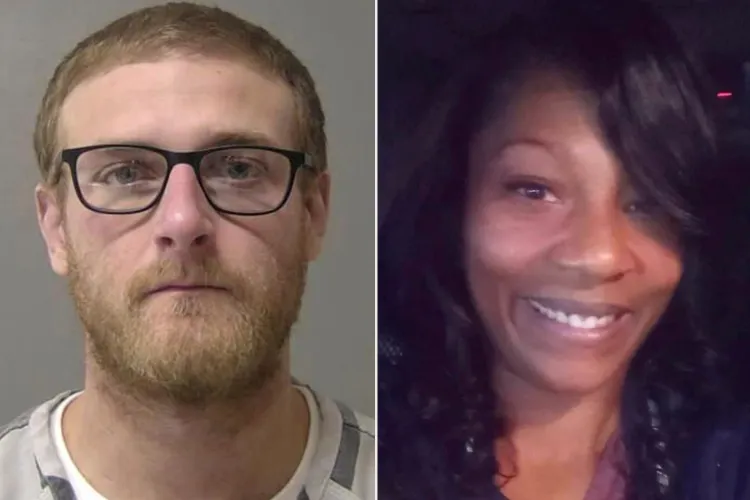
Instead, within minutes, the person meant to protect her — Deputy Sean Grayson — would fatally shoot her inside her own kitchen.
That moment not only ended a life; it reignited a painful national conversation about race, policing, and accountability in the United States.
The Incident: When Help Turned Into Horror
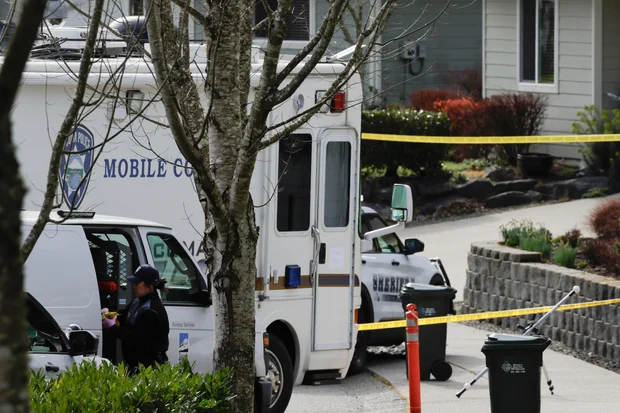
According to courtroom evidence and body-camera footage, two deputies from the Sangamon County Sheriff’s Office arrived at Massey’s home shortly after midnight. The officers checked the front and back of the house, then entered after speaking with her.
Sonya appeared anxious but cooperative. At one point, she got up to remove a pot of hot water from the stove — a simple, everyday act.
A few moments later, she quietly said, “I rebuke you in the name of Jesus.”
Deputy Sean Grayson, standing nearby, responded sharply:
“You better not. I’ll shoot you in your face.”
Seconds later, he drew his gun, ordered her to drop the pot, and fired twice.
The bullets struck Sonya in the head. She collapsed in her kitchen — the same place she had called for safety. She was later pronounced dead at St. John’s Hospital.
The Verdict: A Step Toward Justice — But Not Enough
In October 2025, a Springfield jury found Sean Grayson guilty of second-degree murder — meaning he killed intentionally but without premeditation. Prosecutors had pushed for a first-degree charge, arguing that his threats and actions showed intent, but jurors opted for the lesser conviction.
Other charges — including aggravated battery and official misconduct — were dropped earlier in the trial.
Following the verdict, the Massey family’s attorneys, Ben Crump and Antonio Romanucci, released a statement saying:
“Although we believe Grayson’s actions warranted a first-degree murder conviction, today’s verdict still represents a step toward justice for Sonya Massey.”Accountability has begun.”
The sentencing phase is expected to determine whether that accountability feels meaningful — or merely symbolic.
Race and Reality: A Familiar American Tragedy
To many Americans, this case feels heartbreakingly familiar.
The names change — George Floyd, Breonna Taylor, Atatiana Jefferson, and now Sonya Massey — but the pattern remains the same: an encounter between a Black civilian and a White officer turns deadly under questionable circumstances.
Sonya Massey was unarmed, inside her own home, and had called for help. Yet she was treated as a threat.
This raises a haunting question:
Would the outcome have been the same if Sonya hadn’t been a Black woman?
It’s a question that continues to divide America — but one that cannot be ignored.
Policing Under the Microscope
The Grayson verdict adds to a growing list of cases that expose flaws within American law enforcement.
Experts argue that the problem isn’t just individual misconduct — it’s systemic culture. Police officers are often trained to view every situation as potentially life-threatening, prioritizing control over communication.
That mindset, when combined with bias and fear, can turn a simple welfare check into a fatal encounter.
Advocates for police reform emphasize several urgent needs:
-
De-escalation training: teaching officers to calm tense situations rather than escalate them.
-
Psychological screening: identifying officers unfit for high-stress interactions.
-
Community policing: rebuilding trust between law enforcement and the people they serve.
Until these changes become standard, tragedies like Sonya’s may continue — even if the courts deliver guilty verdicts afterward.
Public Reaction: Grief, Anger, and a Demand for Change
News of Grayson’s conviction brought both relief and frustration.
Relief that a police officer was held criminally accountable — something still rare in the U.S. — and frustration that the verdict wasn’t for first-degree murder.
Across social media, the hashtag #JusticeForSonya trended, as people from all backgrounds demanded deeper reforms. Vigils were held in Illinois and beyond, with supporters lighting candles and reading prayers for Sonya’s children.
For many Black Americans, the case struck a personal chord. It reaffirmed the uneasy reality that even calling the police — an act of trust — can sometimes end in tragedy.
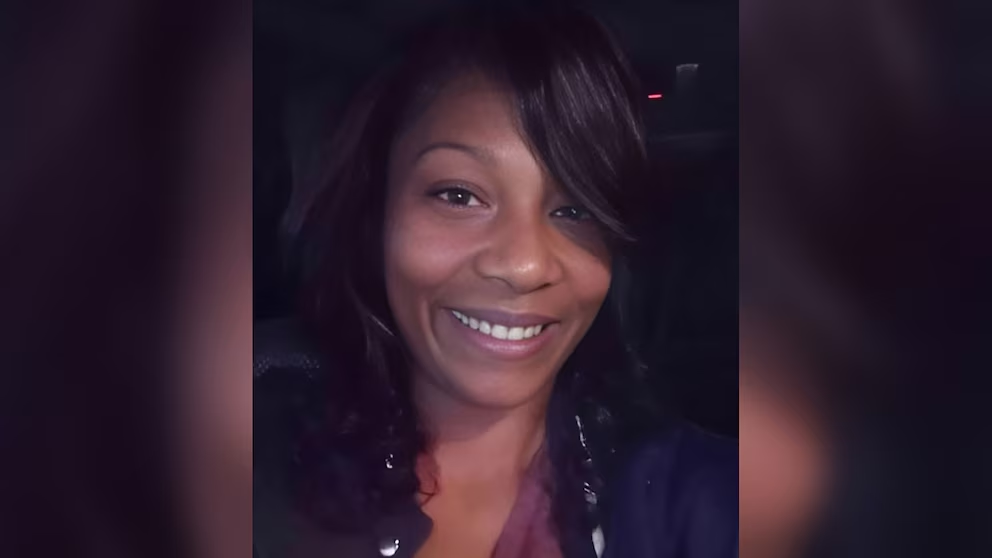
The Human Cost: A Mother, Not a Statistic
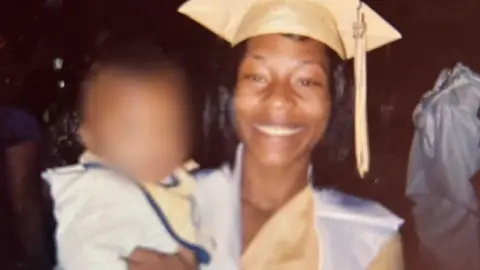
Behind the headlines and hashtags was a woman who loved her family, worked hard, and dreamed of a better future for her children.
Friends described Sonya Massey as kind, spiritual, and devoted to her faith. She wasn’t a suspect. She wasn’t a criminal. She was a mother seeking safety.
Her two children are now left without her — growing up in a country still struggling to protect people who look like her.
Justice or Beginning of Accountability?
While Grayson’s conviction marks a rare instance of a law enforcement officer being found guilty of murder, it also raises difficult questions:
-
Why does it take video evidence and public pressure for justice to occur?
-
Why are police killings of unarmed Black citizens still happening despite years of protests and reforms?
-
And what will it take to rebuild public trust in a system that repeatedly fails its own citizens?
This verdict, while significant, cannot bring Sonya back. But it might serve as a warning — that the badge is not a shield from responsibility.
A Larger Reflection: The America Within the Mirror
The story of Sonya Massey forces America to look at itself — unflinchingly. It’s not just a police story. It’s a story about power, prejudice, fear, and the fragile line between safety and danger for marginalized people.
For too long, these tragedies have been explained away as “split-second decisions.” But each of those seconds leaves behind shattered families and broken faith in justice.
If there’s any meaning to draw from this case, it’s that true justice requires transformation, not just convictions. Reform must be proactive, not reactive.
Conclusion: A Name That Should Not Be Forgotten
The verdict in the Sean Grayson case offers a small measure of justice — a step forward, not a full solution.
But Sonya Massey’s name will not fade easily. It will continue to echo in the conversations about race, policing, and humanity in America.
Her death was not just a tragedy — it was a reflection of a nation still searching for its conscience.
And perhaps the real justice will come the day no one has to fear calling for help in their own home.