October 27, 2025 | Mexico City
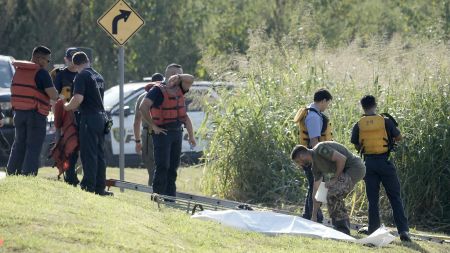
Mexico’s journalism community has been shaken once again following the brutal killing of Miguel Ángel Beltrán, an independent journalist known for his fearless reporting on drug cartels and organized crime. Beltrán’s body was discovered over the weekend along a rural highway linking the state of Durango with the coastal city of Mazatlán, authorities confirmed Monday.
The murder is the latest in a grim series of attacks targeting reporters in Mexico, one of the most dangerous countries in the world for journalists.
Grim Discovery in Northern Mexico
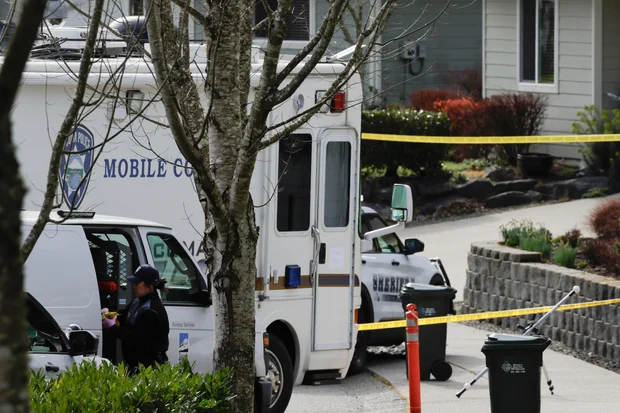
Local police reported finding Beltrán’s body on Saturday morning, wrapped in a blanket and left by the roadside. Next to him, investigators discovered a handwritten message that read:
“For spreading false accusations against the people of Durango.”
Officials from the Durango State Prosecutor’s Office confirmed the authenticity of the message and stated that the case is being treated as a targeted killing linked to his reporting activities. No arrests have yet been made.
According to early reports, Beltrán had been missing for nearly 24 hours before his body was found.
A Reporter Who Spoke Truth to Power
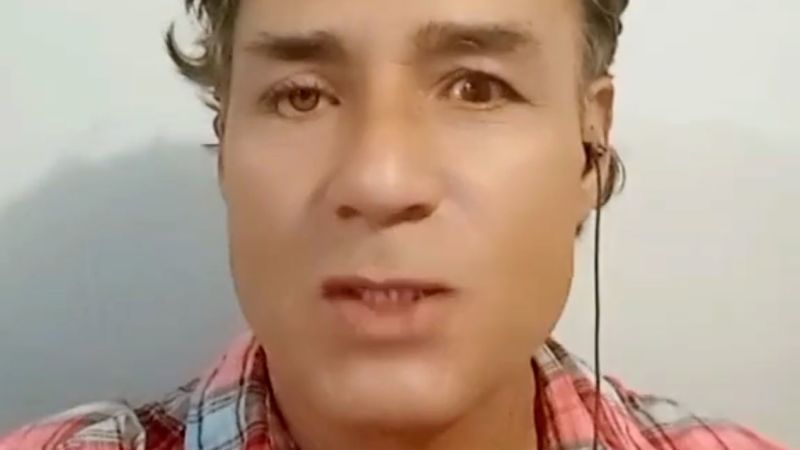
Miguel Ángel Beltrán was not a household name across Mexico, but in Durango and surrounding states, he was recognized as one of the few journalists consistently documenting cartel activity, local violence, and corruption.
He started his career in local print newspapers but later shifted to social media journalism, building a strong following on Facebook and TikTok through his independent outlet, La Gazzetta Durango.
Using short videos, eyewitness accounts, and commentary, Beltrán often reported from crime scenes, exposing cartel movements and security operations in regions where mainstream media rarely ventured.
Just days before his death, on October 22, he had posted about the arrest of a local gang leader tied to the Cabrera Sarabia organization — a group with deep criminal roots in Durango and rival ties to the Sinaloa and Jalisco Nueva Generación Cartels (CJNG).
That report, colleagues believe, may have made him a target.
A Pattern of Violence Against Journalists
Beltrán’s death adds to a disturbing trend of violence against reporters in Mexico, where journalists covering crime and corruption often pay the ultimate price for their work.
According to Reporters Without Borders (RSF), more than 150 journalists have been murdered in Mexico since 1994, many of them in small towns where cartel power runs deep and local law enforcement is often complicit or afraid.
The Committee to Protect Journalists (CPJ) reports that five Mexican journalists were killed in 2024 alone, continuing a deadly pattern that has shown little sign of slowing. The country’s deadliest recent year for the press was 2022, when 13 journalists were murdered, most of them working for local outlets with limited resources or protection.
Despite repeated promises from authorities, the impunity rate for journalist murders remains above 95%, according to CPJ’s latest figures.
Social Media Journalists in the Crosshairs
In recent years, many Mexican reporters have turned to social media to share news directly with the public, bypassing traditional outlets that often avoid stories related to organized crime out of fear. While this shift has allowed for greater independence and reach, it has also made digital journalists more vulnerable.
Beltrán’s online presence, especially under his @Capo handle on TikTok, attracted tens of thousands of followers. He often used his platform to call out corruption and to expose criminal groups operating in Durango.
Yet this openness also drew attention from dangerous individuals who control the flow of information in cartel-dominated regions.
“Independent journalists like Miguel work without the protection or resources that established media companies have,” said Lucía Rojas, a Mexico City-based media rights advocate. “They are the eyes and ears of communities that have been silenced — and that makes them targets.”
Authorities and Human Rights Groups React
Human rights organizations and press freedom groups have condemned the killing, urging Mexican authorities to act swiftly and transparently.
“Every time a journalist is murdered in Mexico, it’s not just a loss for the media — it’s a blow to democracy and truth,” said Raúl Hernández, spokesperson for Artículo 19, a nonprofit that tracks violence against the press.
Officials from the Durango prosecutor’s office said a special investigative team has been formed to examine potential links between Beltrán’s murder and organized crime. Federal authorities have not ruled out assigning the case to Mexico’s Mechanism for the Protection of Journalists, a program that has faced criticism for its inefficiency.
A Dangerous Profession Without Protection
The dangers faced by journalists in Mexico are well documented but poorly addressed. Reporters often work under extreme risk, especially those covering local politics, cartels, or human rights abuses. Many receive threats before being killed, while others vanish without a trace.
Despite government programs aimed at protecting members of the press, organizations like Amnesty International and CPJ argue that these efforts remain underfunded and reactive rather than preventive.
The result is a chilling environment where many journalists either self-censor or flee their regions to survive.
Remembering Miguel Ángel Beltrán
Colleagues and supporters have flooded social media with tributes to Beltrán, describing him as “brave,” “dedicated,” and “unafraid to tell the truth.”
“He wasn’t rich, and he didn’t have a big newsroom behind him,” wrote one fellow journalist from Durango. “All he had was his phone, his words, and his commitment to the truth. That was enough to make the wrong people angry.”
Beltrán’s family has demanded justice and protection, not only for themselves but for other journalists still working in dangerous regions across northern Mexico.
A Chilling Symbol of a Larger Crisis
Beltrán’s killing is not just another statistic — it’s a symbol of a deep and growing crisis in Mexico’s freedom of the press. For years, journalists have been left to fend for themselves in a country where exposing the truth can cost you your life, and where justice for such crimes is nearly nonexistent.
As investigations continue, Beltrán’s death serves as a grim reminder that reporting in Mexico remains one of the world’s deadliest professions, and that the war for truth in cartel territory is far from over