The peace was broken at the end of the night in Dera Ismail Khan, when militants made a planned attack on the police training institution in the Ratta Kulachi region. What started off as an explosion in the main entrance suddenly turned out to be a mess. Law enforcement officers on the scene said that a vehicle was loaded with explosives that were used to crash into the main gate, and the explosion caused by it could be heard for miles. A few seconds after the explosion, armed attackers broke into the compound, shooting blindly at recruits and on-duty staff.
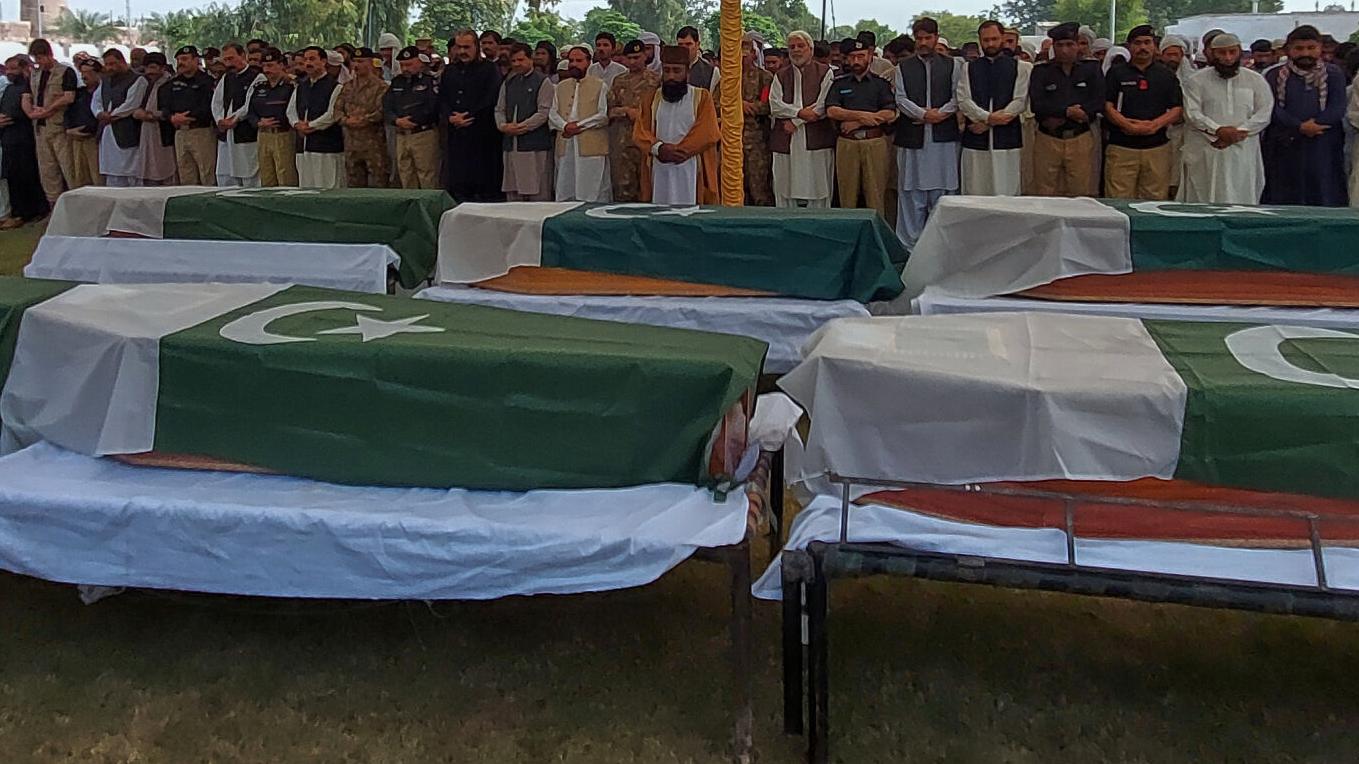
Reports have shown that approximately seven officers died, both the trainees and the stationed officers and over a dozen were injured, with many of them being in critical conditions. This abrupt nature of the attack left many of them indoors, with little time to organize themselves, so that they had to go to defensive positions wherever there was a cover. The automatic fire as described by witnesses living in the neighborhood near the compound went on well beyond an hour, bouldering with shouts and explosions and the raving engines of the arriving reinforcements.
The Assault Tactical Analysis
The offenders used a two-phase attack plan that is frequently used in high profile militant operations. The suicide truck that contained bombs acted as an instrument of breaking in as well as a psychological weapon that created confusion by clearing a path. The followers were armed with assault rifles, grenades and, judging by still recovered gear, at least some were alleged to be strapped with suicide vests implying that the attackers were anticipating a lengthy conflict or ending explosion in case they were chased at bay.
It seems that there was a choice to take a targeting facility and not an operational station. These places are densely populated with unarmed or lightly armed individuals with a good number of them still in the initial stages of training. Interfering with the training pipeline is a blow to morale that is magnified many times over by the incident itself, that it targets the ability of the future law enforcement. The aim of the militants attacking the recruits before they could fully perform their duties was not only to cause casualties, but also to deliver a message of weakness in the very base of policing.
Response and Containment Efforts
Police forces within the compound subsequently recovered despite the shock of the initial blast and managed to control internal corridors and move trainees into safer areas. The reinforcements came quickly in form of the nearby stations, and special units surrounded the roads around to ensure that the attackers could not escape or get reinforcements. This was followed by a gun battle with security forces reported to have shot down some of the attackers in the process of clearing up.
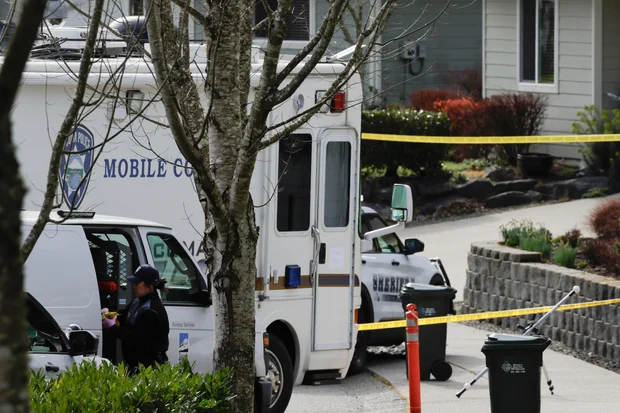
As soon as the active threat was neutralized, forensic teams and bomb disposal teams were deployed to the area. Various suicide vests, unexploded grenades, and other arms were obtained, and this suggests that the attackers were in a better position to protect a longer battle than they were able to maintain. The security officials later opined that the incident might have turned into an even greater tragedy had it not been swiftly reinforced.
Psychological and Security Implications
An assault on police stations is not just a physical threat, but is meant to damage citizens in terms of trust. To the people in Dera Ismail Khan, the explosions that emanated out of what was meant to be one of the safest buildings in the district left a sort of unease in the residents. The parents of the trainees flocked to hospitals, others among them being ignorant whether their sons were killed or wounded. The next day community meetings were not necessarily of mourning but of terror.
The incident has also triggered pressing concerns to the law enforcement agencies in the region concerning the perimeter security, attack expectation and quick response measures. When a manned up facility with trained personnel is attacked by a single vehicle and a small group of attackers, how would schools, hospitals or lightly guarded outposts fare?
Motives and Rationales Possible
Although an official group did not take responsibility at the time of writing, the methods employed match with the ones that have been known to have high-casualty operations against state institutions. Only the motive was retaliation, strategic disruptiveness, or an effort at securing media attention, there can be little doubt that the target choice and mode of attack are indicative that the attackers intended to achieve as much symbolic effect as possible.
Recommendations in the Future
A number of short-term steps seem to be needed:
Entry barriers with layered security developing superior barriers to resist or absorb vehicle carried explosive.
Some of the measures that can be put in place involve remote checkpoints that are farther away in front of the facility gates to stop enemy vehicles before they get to the facility.
Incident command Systems that would incorporate surveillance technology which would notice any suspicious movements very early before coming into contact.
Holding frequent compound-wide exercises of sudden breaching situations and not gradual escalations.
Community intelligence networks need to be strengthened beyond infrastructure. There is no sophisticated attack that can occur without the movement of materials, coordination or reconnaissance. The first to note suspicious activity is usually locals, however, only in case they have the confidence to report the suspicious activity to authorities.
Conclusion
The Ratta Kulachi training facility attack was not merely an intrusion in a security compound but it was also an assault on the concept of preparedness itself. Although the attackers managed to achieve the goal of taking lives, they did not manage to capture the control and maintain their attack after the first breach. The following actions of the law enforcement in fortification, intelligence and reassurance of people will decide whether this incident will be a short-term shock or a jump to long-term stability.