Karachi’s Silent Night Three Transgender Women Murdered in Cold Blood
Karachi, a city known for its vibrant energy and restless nights, witnessed a moment of horror that silenced its streets. Three transgender women were found brutally murdered along a deserted roadside in Memon Goth, leaving an entire community shaken and demanding answers. The killings were not just another crime; they were an attack on identity, dignity, and the fragile hope of equality.
The Haunting Discovery
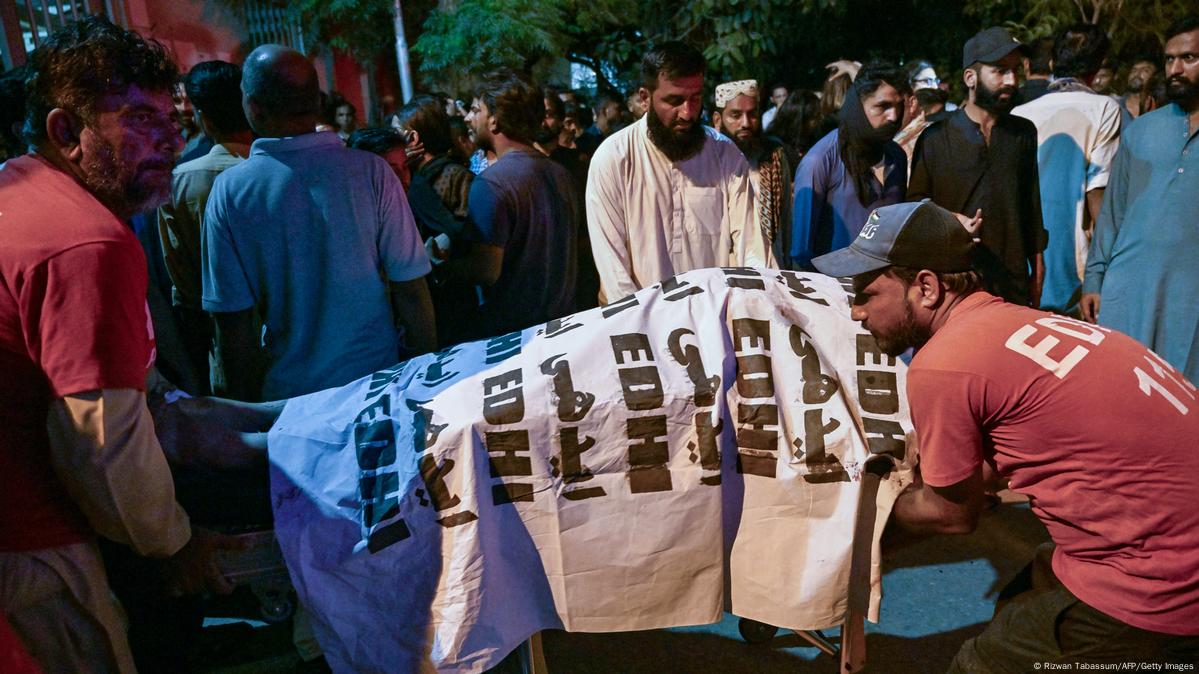
The night was quiet, the kind of silence that wraps around Karachi’s outskirts after midnight. Yet that silence was shattered when the gunfire echoed through the emptiness. Hours later, locals stumbled upon three bodies lying motionless by the roadside, their lives cut short by precise and deliberate bullets.
Scattered belongings lay near them, but there were no signs of robbery. The intent behind the crime was chillingly clear—it was not about theft or chance; it was about sending a message of fear.
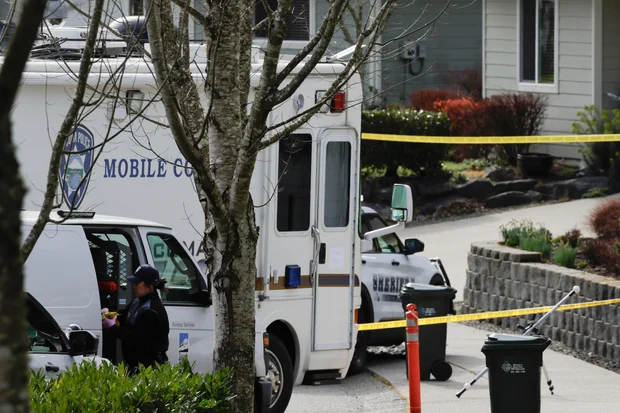
Investigators arrived to find bullet casings, blood-stained soil, and silence heavy enough to suffocate. No CCTV cameras captured the moment, no direct witnesses came forward. What remained was a crime scene painted with cruelty and calculated violence.
Victims of Courage and Struggle
The three women were not just names on a police file. They were members of a marginalized community that has spent decades fighting for recognition, respect, and the right to live without fear.
Friends recall their laughter, their resilience, and their shared struggles. Within the transgender community, they were symbols of hope—women who refused to be erased in a society that too often tries to silence them. Their sudden deaths did not just extinguish three lives; they ripped through the spirit of an entire community.
Crime With a Message
This murder is not an isolated act. The brutality suggests something far more sinister—a crime of hatred, a warning to others, and a reminder of how unsafe it remains to be different in Pakistan.
The shots fired at close range were not random. They were intentional. Each bullet screamed of prejudice, intolerance, and the desire to erase a community that refuses to disappear.
The State Responds
The Sindh government wasted no time in condemning the killings. The Chief Minister declared the incident an act of cruelty against “an already oppressed community” and ordered immediate action. Police teams were assigned to the case, geo-fencing was initiated, and investigators began examining call data records to identify possible suspects.
Yet for many, these promises echo the past. Too often, cases involving transgender victims fade away without resolution. This time, the community insists, the state must prove that its words are more than empty pledges.
Community Outrage
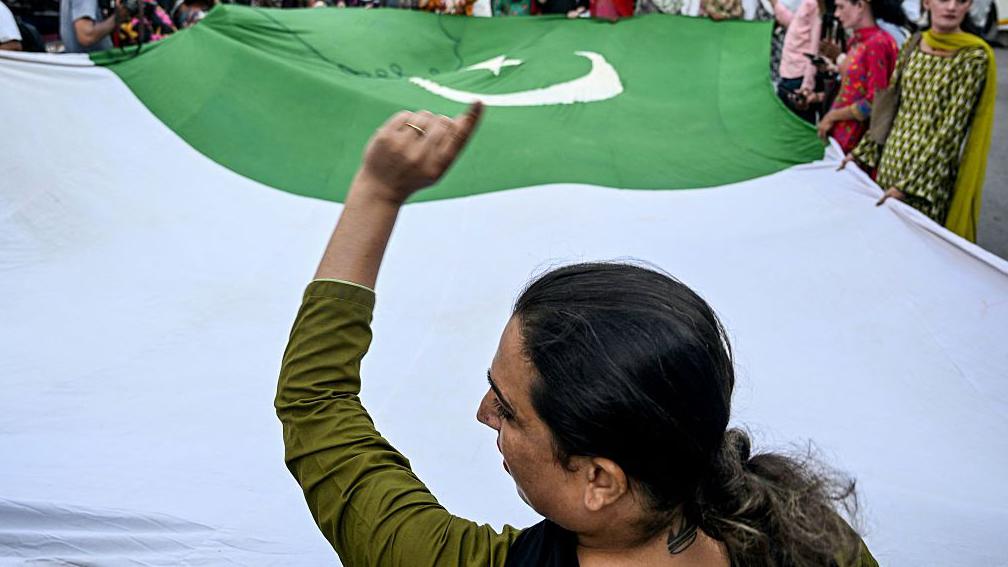
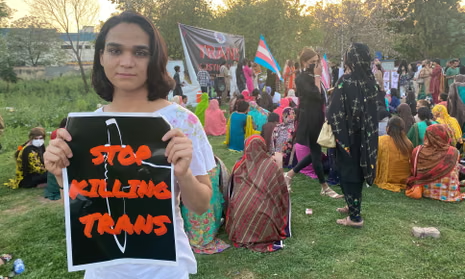
As the news spread, the transgender community in Karachi erupted in grief and anger. Outside hospitals and police stations, people gathered to demand justice. Their chants were not only for the three women lost but for every member of their community who lives in fear.
They carried placards with messages of equality, called on the government to uphold its promises, and reminded society of the Transgender Persons (Protection of Rights) Act. The law exists, they shouted, but its power lies only in enforcement.
Human Rights Council Steps In
The Human Rights Council of Balochistan, alongside other organizations, joined the call for justice. Their statements pointed to systemic failure—the inability of institutions to safeguard marginalized citizens even when laws are in place.
They demanded a structured response:
- Special protection units for transgender individuals
- Community support systems backed by law enforcement
- Awareness campaigns to challenge prejudice
- Swift legal proceedings without bureaucratic delays
The Council further reminded the government that human rights are universal, and no identity should determine whether justice is served.
Legal Perspective
Under Section 302 of Pakistan’s Penal Code, this crime qualifies as murder with punishments ranging from life imprisonment to the death penalty. Officials have promised that no compromise or loophole will be allowed in this case.
For the transgender community, this assurance must translate into results. Justice delayed would mean justice denied, and they cannot afford another cycle of promises without convictions.
The Investigation So Far
Police have pieced together a few key details:
- The killings occurred in a remote area, suggesting the attackers deliberately chose a location without surveillance.
- Forensics are examining bullet casings, while call records and geo-fencing data are being analyzed.
- Witness accounts are scarce, but investigators believe the victims may have been followed before being targeted.
- The attackers vanished quickly, leaving behind no vehicle or weapon traces.
The investigation remains ongoing, but the question looms: will the culprits be caught before the case slips into silence?
A Society on Trial
This tragedy is more than a police matter; it is a test of Pakistan’s social fabric. Every hate-driven killing chip away at the promise of equality, reminding us how far the nation still has to go.
Transgender individuals face daily battles—denial of jobs, harassment in public, lack of healthcare, and constant fear of violence. When crimes like this occur, they do not only destroy lives; they amplify that fear and reinforce cycles of exclusion.
Unanswered Questions
The case leaves us with haunting uncertainties:
- Was this a premeditated attack by organized groups, or personal animosity cloaked as hate?
- Why these three women, on that particular night?
- And will the system ensure this tragedy leads to justice rather than yet another forgotten case file?
Conclusion Echoes of Justice
The murder of three transgender women in Karachi is a tragedy that stretches beyond crime—it is a mirror reflecting the fault lines of our society. It demands not just justice in the courtroom but transformation in culture, law enforcement, and governance.
For the families and friends of the victims, justice means punishment for the killers. For the transgender community, it means recognition, safety, and equality. For Pakistan as a whole, it means proving that every citizen’s life holds value, regardless of identity.
As the investigation continues, one thing is certain: these women must not be remembered only as victims of hate, but as a turning point in the struggle for dignity. Whether the state chooses to act with courage or retreat into silence will define the legacy of this tragedy.
Until then, Karachi will remain haunted by the night when three lives were stolen, and justice itself was put on trial.