The Shocking Murder of Sana Yousaf
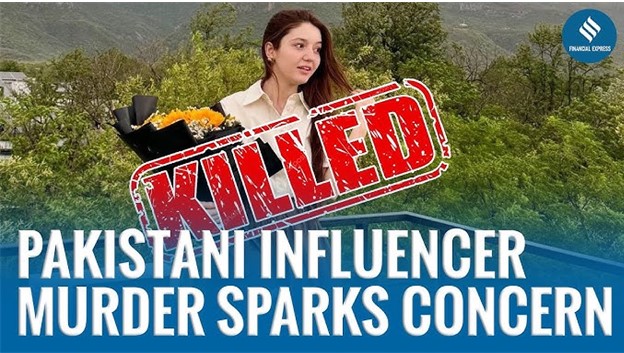
In June 2025, Pakistan woke up to devastating news: Sana Yousaf, a 17-year-old TikTok star, had been shot dead inside her home in Islamabad. Known for her vibrant personality and large following on social media, Sana was a rising figure in the digital space, capturing the attention of thousands with her energy, humor, and confidence. Her tragic death not only silenced a young life full of promise but also highlighted the darker side of obsession, rejection, and unchecked violence.
This article takes a deep look at who Sana was, what happened on that fateful day, how the investigation unfolded, and the lessons that society must learn from this heartbreaking case.
Who Was Sana Yousaf?
Sana Yousaf was more than just another TikTok star. At only 17, she had become a recognizable figure in Pakistan’s digital world. Originally from Chitral, she lived in Islamabad with her family while balancing her education and online presence. Her videos—ranging from lifestyle moments to fun lip-syncs—had drawn a loyal fan base.
Her friends describe her as cheerful, kindhearted, and full of ambition. She was known to celebrate even small occasions with enthusiasm, sharing snippets of her life that inspired many. Yet behind the fame, she was still a teenager navigating the challenges of growing up in the digital age, balancing her private and public life.

The Day of the Murder
On June 2, 2025, Sana was at home in Sector G-13/1 of Islamabad. Her father was at work, her mother had stepped out to the market, her younger brother was away, and only her aunt was at home. It seemed like an ordinary day—until the unthinkable happened.
Around 5 p.m., a man arrived at her house. He was not a stranger; he had known Sana and had tried to be part of her life for some time. He requested to see her. According to family accounts, Sana resisted, telling him to leave. The rejection, however, enraged him. In a shocking act of violence, he pulled out a firearm and shot her twice in the chest.
Her aunt, who was in another room, rushed toward the sound but was too late. The man fled the scene, leaving Sana fatally injured. She died before help could arrive, leaving her family and followers shattered.
The Investigation Begins
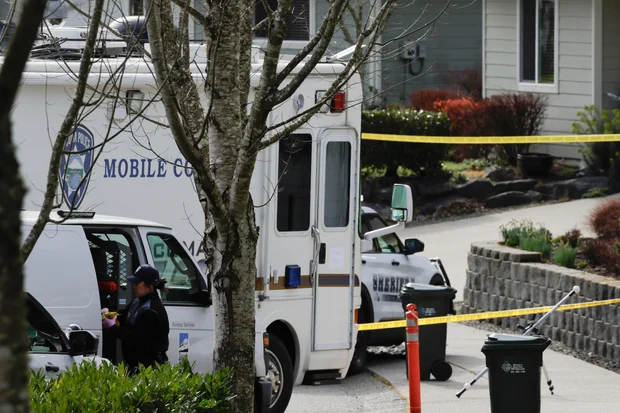
The murder sent shockwaves through Islamabad and across Pakistan. Social media was flooded with tributes and demands for justice. Police immediately launched an intensive investigation.
The first challenge was identifying the killer. Witness statements, including those from Sana’s aunt, pointed to a man who had been in contact with her. CCTV cameras around the neighborhood provided visuals of his movements. Phone records and digital data gave further leads. Within just 20 hours, investigators tracked him down to Faisalabad, where he was hiding.
Who Was the Killer?
The man arrested was Umar Hayat, a 22-year-old TikTok user from Faisalabad. He was known online by the nickname “Kaka.” He confessed to being Sana’s friend and admitted he had tried to meet her multiple times. He had even traveled long distances to see her, bringing gifts and a cake on her birthday just days before.
According to his own confession, Sana’s repeated refusals to meet him fueled his anger. On June 2, when he felt ignored once again, he traveled to Islamabad with a rented vehicle, armed with a gun. He went to her house, and when she did not accept his advances, he shot her.
Evidence Against the Accused
The police recovered several crucial pieces of evidence:
- The murder weapon, directly linking him to the crime.
- Sana’s mobile phone, which he had taken in an attempt to erase communication records.
- CCTV footage tracing his movements from Faisalabad to Islamabad.
- Witness statements from Sana’s aunt and mother, who later identified him.
All of this formed a solid foundation for the case against him.
Court Proceedings
After his arrest, Umar Hayat was presented before the court and remanded to jail for 14 days while police completed their report. During interrogation, he confessed under oath, detailing his journey, the confrontation, and the killing.
The court ordered an identity parade, during which Sana’s relatives confirmed his involvement. Police also filed a formal case report with strong evidence, ensuring the matter would proceed to trial.
The Motive: Obsession and Rejection
At the core of this case lies a disturbing motive: the inability to handle rejection. Umar’s repeated attempts to meet Sana, followed by her refusal, sparked a dangerous mix of obsession, ego, and anger. Instead of respecting her boundaries, he chose violence.
This reflects a wider issue in society—where rejection is often seen as humiliation, and women face harassment or worse simply for asserting their right to say “no.” Sana’s murder is not just about one man’s
Impact on Family and Society
For Sana’s family, the pain is immeasurable. A daughter and sister was taken from them in the most brutal way. For her followers, it was the loss of a voice that had brought them joy.
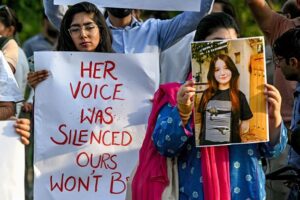
But the murder also sparked broader conversations. Women in Pakistan, especially those active on social media, spoke out about harassment, online abuse, and the fear of unwanted attention. Advocacy groups demanded better protections and stronger punishments for crimes of violence against women.
Lessons Learned
The Sana Yousaf case leaves behind important lessons:
- The Role of Technology – CCTV, mobile tracking, and quick police response helped solve the case swiftly.
- Respecting Boundaries – Rejection is not an insult; it must be accepted without violence.
- Family and Community Vigilance – Awareness of suspicious behavior and timely action can prevent tragedies.
- Stronger Safeguards for Women – Society must ensure women, especially public figures, are protected from harassment and threats.
Conclusion: A Life Cut Short, A Lesson for Many
The murder of Sana Yousaf is a heartbreaking reminder of how fragile life can be and how obsession can turn deadly. At just 17, she had dreams, ambitions, and a future ahead of her. Yet in a single moment, all of that was destroyed by someone who could not respect her choices.
While her killer has been arrested and awaits justice, Sana’s story should not be forgotten. It must be a call to action—for families, communities, and authorities—to build a safer environment where women and young people can live, create, and dream without fear.
Sana’s light may have been extinguished too soon, but her memory can inspire change. By confronting the issues her death exposed, society can ensure that no other young life is lost in such a senseless way.