In recent decades, few issues have sparked as much heated debate as mass shootings and gun crime. The rise of gun violence has become a recurring tragedy, particularly in the United States, where mass shootings frequently dominate headlines and fuel passionate arguments about public safety, constitutional rights, and cultural identity.
While the topic is emotionally charged, it is important to break down the complexity of the debate. Why are mass shootings increasing? What role do firearms play in society? And most importantly—what can be done to address this crisis?
The Rise of Mass Shootings :
Mass shootings, often defined as incidents where four or more people are killed or injured by gunfire in a single event, have become alarmingly common. While gun violence is not new, the frequency and scale of modern mass shootings have made them a defining issue of our time.
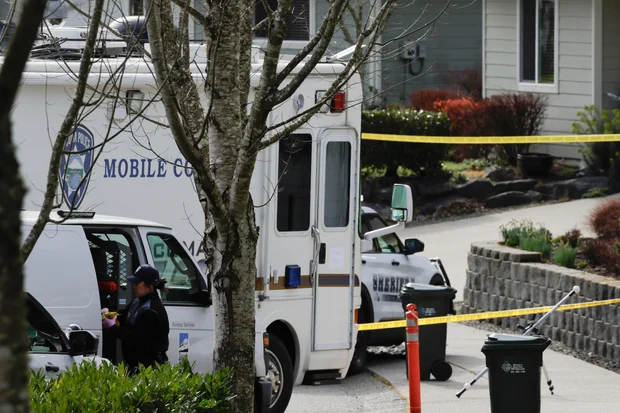
Tragic incidents at schools, shopping centers, places of worship, and even concerts have left communities shattered. Events like the Columbine High School massacre in 1999, the Sandy Hook Elementary tragedy in 2012, the Las Vegas shooting in 2017, and countless others remain etched in public memory.
Each incident reignites the same questions: Why does this keep happening? And what, if anything, can be done to stop it?
The Broader Picture of Gun Crime :
While mass shootings attract media attention, they represent only part of the gun violence problem. Every day, guns are used in homicides, domestic violence incidents, suicides, and accidents. In many countries, firearms are the leading cause of violent deaths, with ripple effects that harm families and communities long after the initial act of violence.
Gun crime disproportionately affects marginalized communities, with urban areas often bearing the brunt of everyday shootings. Meanwhile, rural areas may struggle more with gun-related suicides. The common denominator is access to firearms and the difficulty of preventing weapons from falling into the wrong hands.
The Heart of the Debate :
At the core of the gun crime debate lies a clash of values and beliefs:
Gun Rights Advocates
Supporters of gun ownership often point to the Second Amendment of the U.S. Many defenders of gun rights cite the Second Amendment, arguing that the Constitution ensures personal freedom to possess and use weapons.
⦁ They argue that firearms are essential for self-defense, hunting, and protection against government overreach. Many believe the problem lies not with guns but with criminals, untreated mental illness, and cultural issues.
⦁ Gun Control Advocates
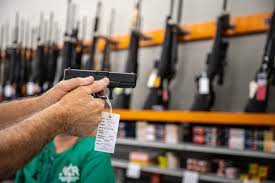
On the other side, supporters of stricter gun laws argue that easy access to high-powered firearms makes mass shootings more deadly and more frequent. They point to countries with stricter regulations—such as Australia, Canada, and much of Europe—where gun violence rates are far lower. From this perspective, tighter background checks, restrictions on assault weapons, and safe storage laws are seen as necessary steps.
⦁ The Middle Ground
Many people fall somewhere in between. They may support responsible gun ownership while also acknowledging the need for stronger safeguards to prevent tragedies. This middle ground often emphasizes balance—protecting rights while prioritizing public safety.
Common Policy Proposals :
Debates around solutions usually focus on a handful of recurring ideas:
⦁ Universal Background Checks: Ensuring all firearm sales, including private transactions and gun shows, require thorough checks.
⦁ Assault Weapon Bans: Limiting civilian access to high-capacity, military-style rifles often used in mass shootings.
⦁ Red Flag Laws: Allowing authorities to temporarily remove guns from individuals deemed a threat to themselves or others.
⦁ Safe Storage Requirements: Preventing accidental shootings, particularly involving children, by mandating secure storage.
⦁ Mental Health Support: Expanding access to mental health care to address root causes of violence.
While each of these proposals has gained support, political gridlock and cultural divides often stall progress.
Cultural Dimensions of Gun Crime :
Gun debates are not just about safety—they are also about identity. In many cultures, particularly in the U.S., guns are woven into the fabric of history, from the frontier era to modern hunting traditions. For some, firearms represent freedom and independence.
On the other hand, survivors of shootings and communities plagued by gun violence often see firearms as a source of trauma and fear. These opposing perspectives make compromise difficult, with both sides believing their core values are at stake.
The Role of Media and Social Influence :
Media coverage also shapes the gun debate. Mass shootings receive widespread attention, often sparking intense but short-lived public outrage. Critics argue that sensationalized coverage may unintentionally inspire copycat shooters seeking notoriety. At the same time, social media amplifies polarized voices, making it harder to find common ground. The conversation often devolves into blame-shifting, rather than collaboration on real solutions.

Looking at Global Comparisons :
Examining how other countries handle gun violence provides useful perspective. For example:
⦁ Australia: After the Port Arthur massacre in 1996, Australia implemented sweeping gun reforms, including bans on semi-automatic rifles and a large-scale buyback program. Gun-related deaths plummeted.
⦁ Japan: With some of the strictest gun laws in the world, Japan has virtually eliminated gun-related homicides.
⦁ United Kingdom: Following the 1996 Dunblane school shooting, the UK banned most private handgun ownership. Mass shootings have been extremely rare since.
While cultural and historical differences matter, these examples suggest that legislation can significantly reduce gun deaths.
The Human Cost:
Beyond the statistics, the toll of gun violence is deeply personal. Survivors often live with lifelong physical injuries and emotional trauma. Families grieve for lost loved ones, while entire communities struggle to heal after a mass shooting.
The ripple effect is massive—children growing up in fear, first responders dealing with trauma, and hospitals overwhelmed with gunshot victims. The cost isn’t only emotional but also financial, with billions spent annually on healthcare, law enforcement, and lost productivity due to gun violence.
Searching for Solutions :
There is no single answer to the issue of mass shootings and gun crime. Solutions will likely require a multi-faceted approach:
⦁ Strengthening existing laws while respecting rights.
⦁ Addressing mental health care access.
⦁ Improving education and awareness about gun safety.
⦁ Fostering dialogue between opposing sides instead of deepening divisions.
Change will also require political courage and public willpower, as reforms often face fierce resistance from powerful lobbying groups and cultural traditions.
Conclusion :
The debate over mass shootings and gun crime is more than a political issue—it is a question of values, safety, and the kind of society we want to build. While disagreements over the role of guns are likely to continue, the undeniable reality is that too many lives are being lost.
Finding solutions won’t be easy, but acknowledging the scope of the problem is the first step. By focusing on compassion, common sense, and a willingness to work together, there may still be hope for reducing gun violence and preventing future tragedies.