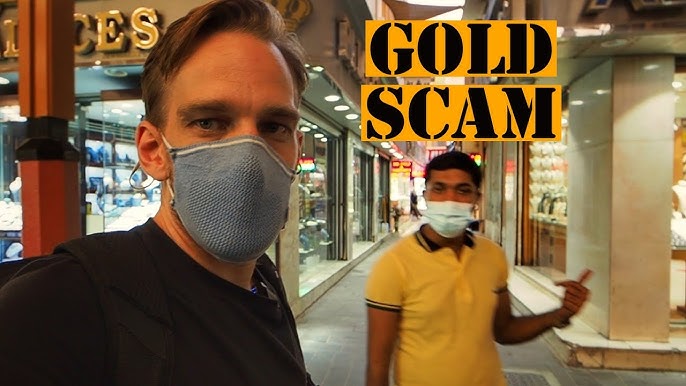
Dubai’s name has long been synonymous with gold. From the traditional souks where small bars and jewelry glisten in shop windows, to the modern towers where million-dollar bullion deals are struck, the city has earned its reputation as the “City of Gold.”
But in 2023, that trust was shaken when an international crime syndicate was caught selling counterfeit gold bars to investors in Dubai. What appeared at first to be routine business deals soon turned into one of the biggest fraud scandals the city had seen in years.
Here’s the story of how the scam worked, how investors were deceived, and how Dubai Police eventually brought the criminals to justice.
Building the Illusion of Legitimacy :
Like most successful frauds, the syndicate’s operation started with credibility. They knew that gold investors in Dubai were cautious and experienced. Simply walking in with fake bars wouldn’t work.
To win trust, the group:
⦁ Registered front companies that looked like real trading firms.
⦁ Rented offices in well-known business districts, complete with branded stationery, staff, and official-looking documents.
⦁ Created professional websites showing fake partnerships with international refineries.
⦁ Produced forged trade licenses that appeared to be issued by UAE authorities.
Some members of the syndicate even posed as long-established brokers who claimed to have direct relationships with refineries in Africa and Switzerland. By the time investors met them, the operation looked indistinguishable from a legitimate gold trading business.
Crafting the Fake Gold Bars :
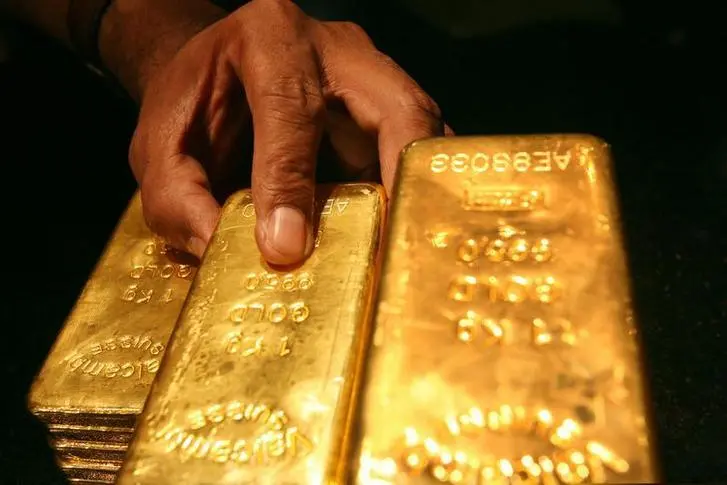
The centerpiece of the scam was, of course, the gold itself. But the bars the syndicate sold were far from pure bullion.
The fraudsters used tungsten or copper cores, which are much cheaper metals, then covered them with a thin plating of real gold. This gave the bars the right shine and allowed them to pass a basic scratch test.
To enhance credibility, they stamped the bars with counterfeit marks of well-known international refineries. They even produced fake certificates of authenticity, complete with serial numbers and embossed seals. For an untrained buyer—or even a seasoned investor without proper testing equipment—these bars looked entirely genuine.
The Perfect Sales Pitch :
Once their counterfeit products were ready, the syndicate moved on to the sales phase. They carefully selected their targets:
⦁ Wealthy individuals looking for safe investments.
⦁ Small trading companies eager to expand into bullion.
⦁ Tourists or newcomers who didn’t know how to authenticate gold.
The pitch was irresistible: “We can sell you certified gold at a price slightly below the market rate because of our direct refinery connections.”
That small discount—often just 2% to 5% below the daily rate—was enough to hook buyers. In the gold market, where margins are tight, such deals seemed like golden opportunities.
Fast Deals, Quick Disappearances :
To maximize profits and avoid suspicion, the scammers relied on speed and pressure tactics.
They told buyers:
⦁ “Stocks are limited, you need to act fast.”
⦁ “We have other buyers lined up, decide today.”
⦁ “Prices are rising tomorrow, secure your bars now.”
Many investors rushed into deals, buying large quantities of bars without verifying them at independent refineries.
By the time some victims discovered their “gold” was worthless, the syndicate members had already disappeared—often moving funds through offshore accounts or leaving the country altogether.
Cracks Begin to Show :
For months, the scheme ran smoothly. But eventually, cracks appeared.
⦁ Weight and Density Issues
Experienced buyers noticed that some bars didn’t feel right. Gold is a uniquely dense metal. Even slight differences in weight raised suspicions.
⦁ Refinery Verification
A few cautious investors sent bars to established refineries in Dubai and Switzerland. Tests revealed that many were filled with tungsten, not pure gold.
⦁ Forgery in Certificates
When buyers tried to confirm serial numbers with supposed issuing refineries, they discovered the documents were complete forgeries.
Soon, multiple investors filed complaints. Patterns emerged, and all the trails pointed toward the same group of sellers.
The Crackdown :
Once Dubai Police realized the scale of the fraud, they launched a large-scale investigation. This wasn’t just a local scam—it had international connections.
⦁ Surveillance operations tracked suspects as they met with potential buyers.
⦁ Financial forensics teams traced money flows across multiple accounts.
⦁ Cross-border intelligence sharing with European and African authorities uncovered links to similar scams abroad.
Eventually, undercover operations provided enough evidence for police to move in. Raids were conducted, arrests were made, and counterfeit gold bars were seized before they could reach more victims.
The investigation revealed a highly organized syndicate with clear roles:
⦁ Some members manufactured fake bars.
Others handled sales and client meetings.
⦁ A separate team managed money laundering through offshore accounts.
Why Investors Fell for It :
The scam’s success lay in how well it exploited psychology and trust:
⦁ The Reputation of Dubai
Investors assumed that because Dubai is famous for gold trading, fraud was unlikely.
⦁ Professional Presentation
Fake offices, documents, and websites gave the impression of legitimacy.
⦁ Greed and Opportunity
The promise of buying below market price blinded many to potential risks.
⦁ Delayed Testing
Few buyers tested bars immediately. By the time they did, the scammers had already disappeared.
Lessons from the Fake Gold Scam :
The 2023 scandal offered several important lessons for investors and authorities alike.
⦁ Verification is Essential
Gold should always be tested by a trusted refinery or assayer. Appearance and paperwork are not enough.
⦁ Certificates Can Be Forged
Serial numbers and refinery stamps should be verified directly with the issuing institution.
⦁ Beware of Discounts
In the gold market, deals that seem too good to be true usually are.
⦁ Regulatory Vigilance
Authorities must continuously monitor trading firms and enforce strict licensing requirements.
Dubai’s Response :
The successful crackdown reinforced Dubai’s reputation for swift and serious law enforcement. Authorities not only arrested the fraudsters but also tightened oversight of gold trading.
New awareness campaigns urged investors to deal only with licensed traders registered under the Dubai Multi Commodities Centre (DMCC) or the Dubai Gold and Commodities Exchange.
Dubai Police also emphasized the role of international cooperation, since financial crimes like this often cross borders.
Conclusion :
The Fake Gold Scam of 2023 was a wake-up call. It showed that even in one of the world’s most trusted gold markets, criminals will find new ways to exploit trust.
But it also demonstrated Dubai’s resilience. Through smart investigation, global cooperation, and decisive enforcement, authorities dismantled the syndicate and sent a clear message: fraud will not go unpunished.
For investors, the lesson is equally clear—trust is important, but verification is essential. In a world where even gold can be faked, careful due diligence is the only real safeguard.