A Dark Night on the Frontier
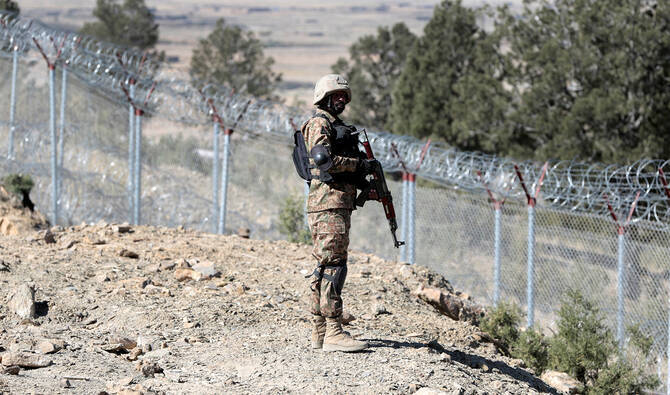
The night was unusually still along the rugged frontier that separates Pakistan from Afghanistan. In the silence, only the whistling winds of the mountains carried sound. But behind this quiet veil, security forces were preparing for a mission that would erupt into fire and fury before dawn.
By the time the sun began to break over the jagged peaks of Dera Ismail Khan’s tribal belt, 13 militants of the Tehrik-e-Taliban Pakistan (TTP) lay dead — their long trail of violence ending in a storm of gunfire.
The Hunt for Shadows
For weeks, intelligence operatives had been tracking whispers: men slipping in from across the Afghan border, stockpiling weapons, meeting in hidden compounds, and plotting fresh attacks. The trail was clear — this cell was no ordinary gathering of fighters. They were veterans of Pakistan’s insurgent wars, men tied to ambushes, bombings, and extortion rackets that had left villages in terror.
Surveillance drones circled. Phone intercepts spoke of a meeting. And then came the order: move in before they move first.
The Clash in the Dark
Security forces encircled the safehouse under cover of night. A megaphone call shattered the silence — the militants were surrounded. But surrender never came. Instead, a burst of gunfire ripped through the dark, and the hills lit up with the crack of automatic rifles.
The battle was short but brutal. Trained soldiers pressed forward with precision, silencing one firing position after another. By the time the smoke cleared, 13 TTP fighters had been killed. Among the items recovered were rifles, explosives, grenades, and maps of future targets.
Not a single soldier lost his life — a victory, but one written in the blood of men who had long waged war against the state.
The Men Behind the Mask
The Pakistani Taliban, or TTP, have haunted this frontier for years. Born from the chaos of the tribal areas, their ideology mirrors that of the Afghan Taliban, but their war is fought within Pakistan’s borders.
Their crimes are carved deep into the nation’s memory:
-
The 2014 Peshawar school massacre, where children were slain in their classrooms.
-
Suicide bombings in bazaars, mosques, and security checkpoints.
-
Cross-border ambushes that left soldiers martyred and civilians living in constant fear.
This group of 13 men, officials confirmed, had been plotting another series of attacks. The raid was not only a strike of justice but also a blow against future bloodshed.
Borderlines of Fire
The Afghan frontier has become a line of fire. Since the Taliban takeover of Kabul in 2021, Pakistan has accused Afghan soil of sheltering TTP commanders. Militants cross the porous border by night, disappearing into caves and valleys by day.
Each raid, each ambush, becomes part of a cycle — Pakistan striking militants within, while pressing Kabul to rein in those who operate across the line. The latest raid is a chapter in this ongoing tug-of-war, a message that Pakistan will not allow its borderlands to become a permanent battlefield.
The Official Word
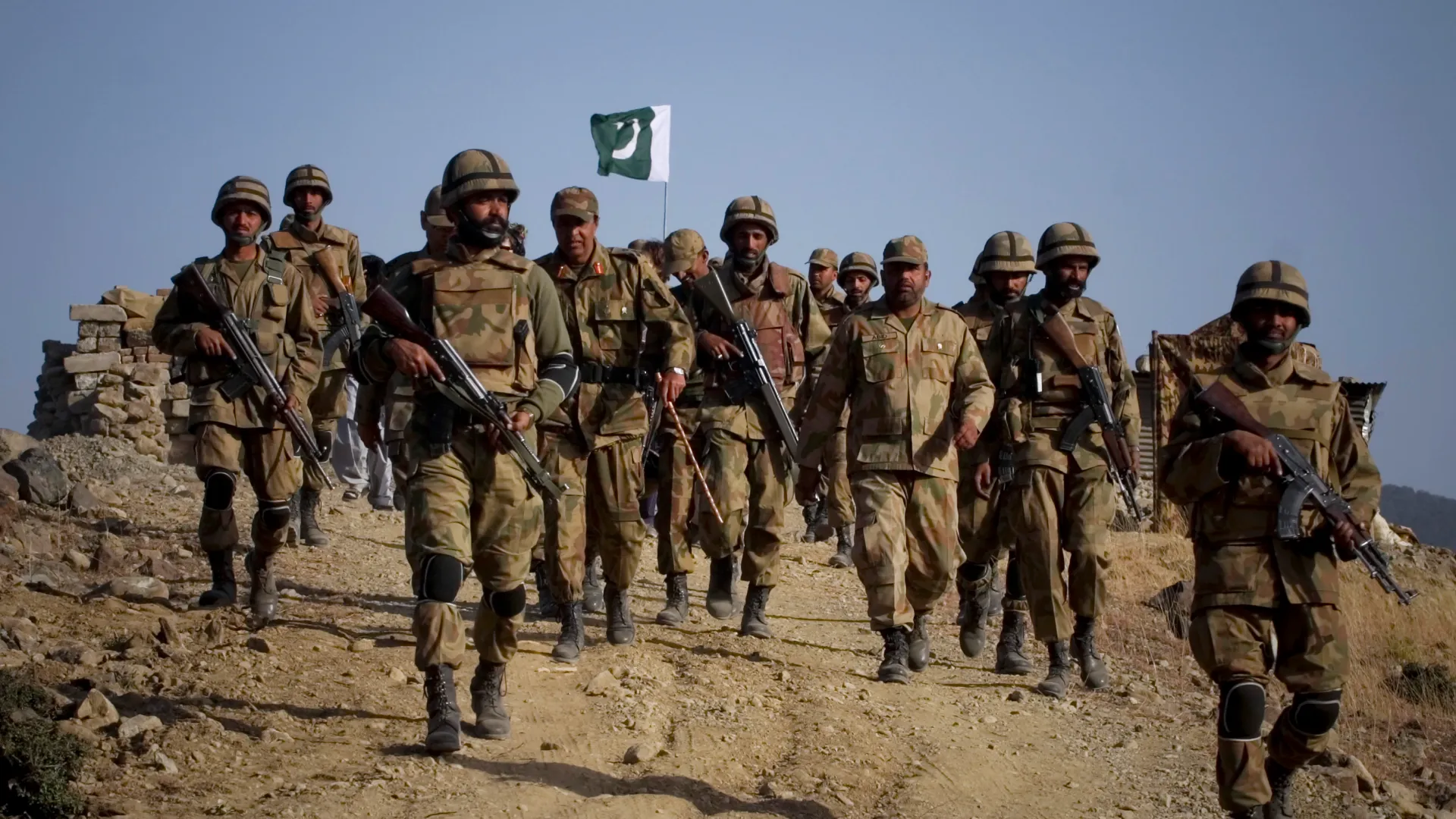
The Inter-Services Public Relations (ISPR) released a statement soon after dawn:
Thirteen militants were eliminated during a well-executed intelligence-led operation. Arms, explosives, and communication devices were seized. These militants were involved in recent attacks on security forces and civilians.”
The words were firm, almost clinical, but behind them lay a story of patience, risk, and combat — the kind that soldiers stationed in these unforgiving terrains live through every day.
The Cost of Living in the Crossfire
For those who call the tribal belt home, such raids are both relief and burden. Villagers whisper of strangers arriving at night, of the crackle of gunfire in the distance, of children who grow up learning to duck at the sound of explosions.
When militants are killed, communities breathe easier — but fear lingers. Retaliation is always possible. Families rebuild homes, schools, and markets destroyed by conflict, knowing another strike may come. Their plea is simple: peace that lasts longer than a single raid.
Human Rights Questions
While many celebrated the operation, human rights voices once again raised their concern: Who were the men killed? Were they given a chance to surrender? Could more transparency be offered?
Officials insisted the dead were confirmed militants, named on watchlists, tied to recent violence. But in a land where decades of war have blurred lines, questions remain part of every headline.
Beyond the Gunfire
Pakistan’s war against the TTP is not just about weapons and raids. It is about strategy. Diplomats urge Kabul to deny the militants safe havens. Commanders insist that border fences and surveillance must be strengthened. Community elders are being asked to resist hosting militants, though fear often ties their hands.
Each step forward seems matched by new challenges. Militants regroup, adapt, and return. And yet, the state insists, every operation like this one makes the soil of Pakistan a little safer than it was the night before.
Frequently Asked Questions (FAQ)
Who were the militants targeted in the operation?
The operation targeted 13 members of the Tehrik-e-Taliban Pakistan (TTP) believed to be involved in recent attacks on security forces and preparing new offensives.
Where did the raid take place?
The raid occurred in Dera Ismail Khan’s tribal region, near the Pakistan-Afghanistan border.
Did the militants attempt to surrender?
According to officials, security forces issued a surrender call, but the militants opened fire instead, initiating the clash.
Were there any casualties among the security forces?
No security personnel were killed, marking the mission as tactically successful.