Hollywood has long glamorized the lives of mob bosses through iconic films like The Godfather and Scarface. Yet, behind these dramatized portrayals were real-life figures who commanded vast criminal empires built on smuggling, drug trafficking, racketeering, extortion, and violence.
Organized crime families functioned as secretive, hierarchical networks, often more powerful than the authorities who sought to dismantle them. Their leaders—feared, admired, and almost untouchable—became infamous figures in global history. Here are ten of the most violent, influential, and legendary mob bosses of all time.
Al Capone (1899–1947) :
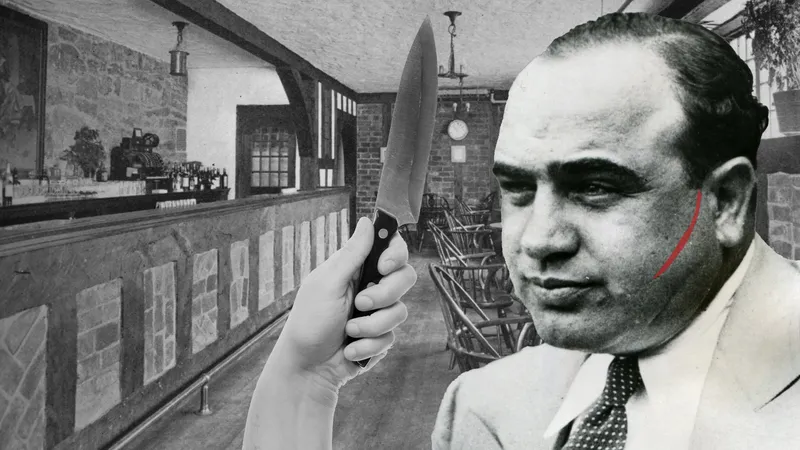
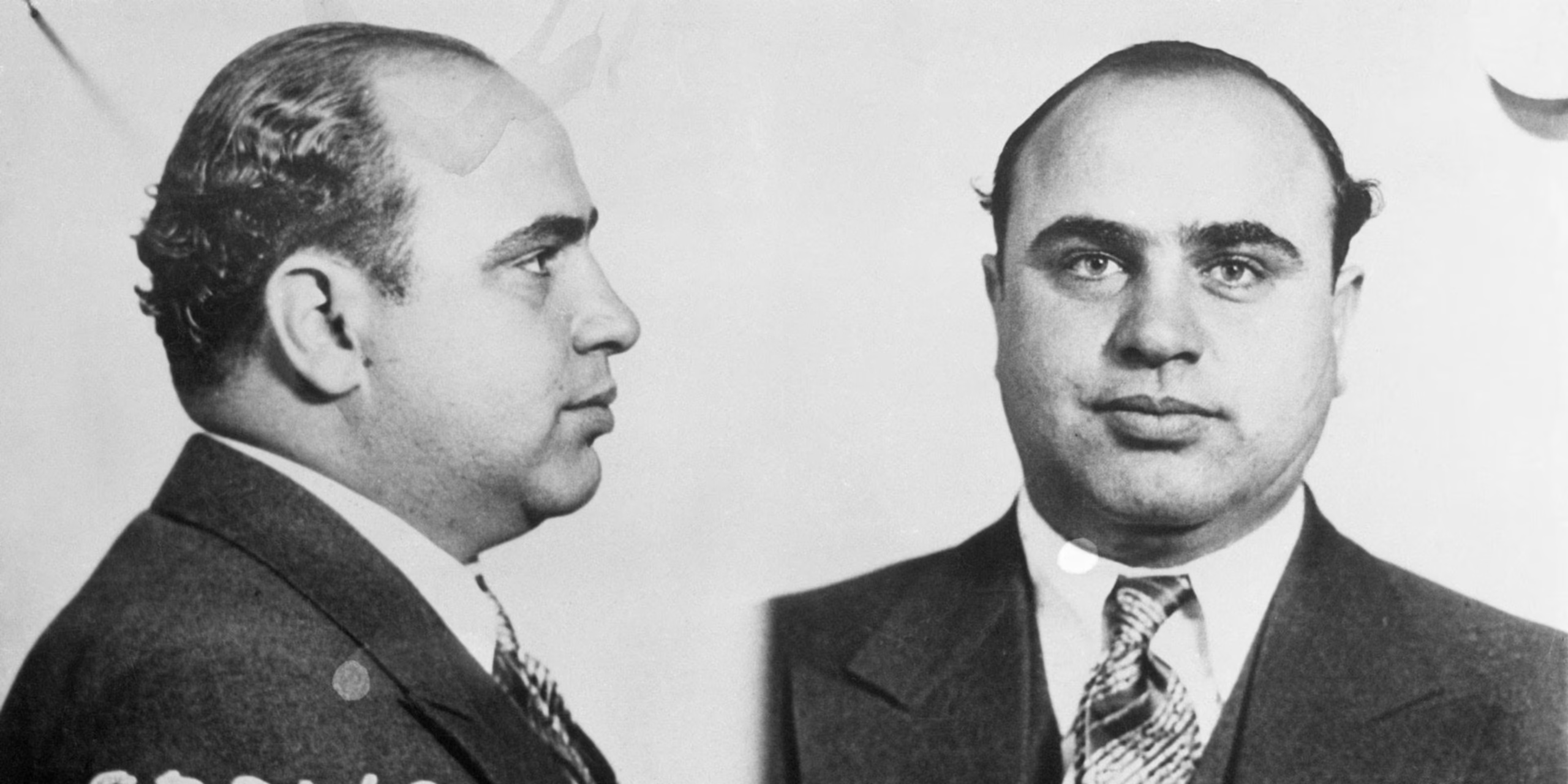
Alphonse “Al” Capone, nicknamed Scarface, rose from humble beginnings in New York to become Chicago’s most feared gangster. A former Five Points Gang member, Capone built the Chicago Outfit into a bootlegging empire during Prohibition, branching out into gambling and sex work.
His reign of terror reached a peak with the St. Valentine’s Day Massacre in 1929, where seven rivals were executed in broad daylight. Declared “Public Enemy No. 1,” Capone avoided conviction for most of his crimes through bribery and intimidation but was eventually imprisoned for tax evasion. He died of a heart attack in 1947, leaving behind an estimated fortune of over $3 billion in today’s money.
Albert Anastasia (1902–1957) :
Known as The One-Man Army and Lord High Executioner, Albert Anastasia co-founded the infamous hit squad Murder, Inc. and later led the Mangano crime family, which became today’s Gambino family.
A ruthless enforcer, Anastasia played a central role in the bloody Castellammarese War, helping shape the modern structure of the American Mafia. His reign ended violently when he was ambushed and shot while sitting in a barber’s chair in Manhattan—most likely orchestrated by rival mobsters.
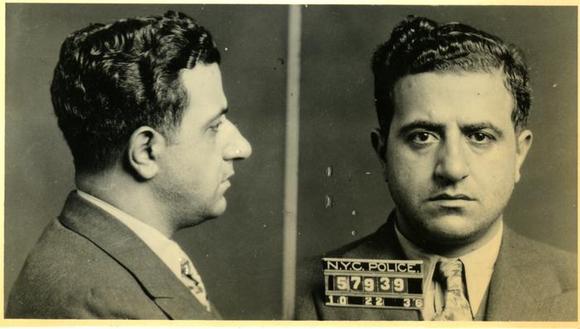
“Lucky” Luciano (1897–1962) :
Charles “Lucky” Luciano revolutionized organized crime in the United States. After surviving the Castellammarese War, he helped establish The Commission in 1931, a governing body that united Mafia families and reduced inter-gang wars.
Luciano’s empire included drug trafficking, gambling, and racketeering. Though sentenced to decades in prison for prostitution-related charges, his cooperation with the U.S. Navy during World War II earned him an early release—on the condition he be deported to Italy. He lived his final years in Naples, where he died of a heart attack.
Frank Costello (1891–1973) :
Often called the Prime Minister of the Underworld, Frank Costello was more of a businessman than a street enforcer. Rising through alliances with Luciano, Costello became head of the powerful Genovese family.
Costello favored political influence and financial manipulation over violence, which allowed him to expand into gambling and heroin trafficking. Though he survived an assassination attempt and countless investigations, he ultimately died of natural causes in 1973, leaving behind millions. He is widely believed to have inspired the character of Don Vito Corleone in The Godfather.
Carlo Gambino (1902–1976) :
Carlo Gambino’s name remains synonymous with Mafia power. Nicknamed Don Carlo, he seized control of the Gambino crime family after orchestrating Albert Anastasia’s murder. By the late 1950s, Gambino had emerged as the most influential Mafia boss in America.
A quiet and calculating leader, Gambino avoided the limelight while building an empire of extortion, loan sharking, and infiltration of unions. He died peacefully at home in 1976—a rarity for a man of his stature in organized crime.
Paul Castellano (1915–1985) :
Paul Castellano, often referred to as the Howard Hughes of the Mob, shifted the Gambino family’s focus from narcotics to white-collar crimes such as extortion, money laundering, and construction rackets. His Staten Island mansion, nicknamed “The White House,” symbolized his wealth and ambition.
However, his business-first approach alienated traditional mobsters. In 1985, Castellano was assassinated outside Sparks Steak House in Manhattan, paving the way for John Gotti to take control of the family.
Pablo Escobar (1949–1993) :
Perhaps the most infamous drug lord in history, Pablo Escobar earned titles like The King of Cocaine for his control of the Medellín Cartel. At its peak, Escobar’s empire supplied up to 80% of America’s cocaine, generating billions of dollars while fueling violence across Colombia.
Responsible for the deaths of thousands—including politicians, judges, and police—Escobar became both feared and admired. After escaping prison in 1992, he was hunted down and killed by Colombian security forces in 1993, one day after his 44th birthday.
8. John Gotti (1940–2002) :
Dressed in expensive suits and flashing a confident smile, John Gotti was dubbed The Dapper Don by the media. Rising to power by ordering the murder of his boss Paul Castellano, Gotti became head of the Gambino family in the 1980s.
Griselda Blanco (1943–2012) :
Nicknamed The Cocaine Godmother, Griselda Blanco was one of the most powerful women in cartel history. Working with the Medellín Cartel during the 1970s and ’80s, she smuggled massive amounts of cocaine into the United States and became the first female criminal billionaire.
Feared for her ruthless orders—linked to as many as 2,000 murders—Blanco lived a violent life that ended the same way: she was gunned down outside a butcher shop in Medellín in 2012.
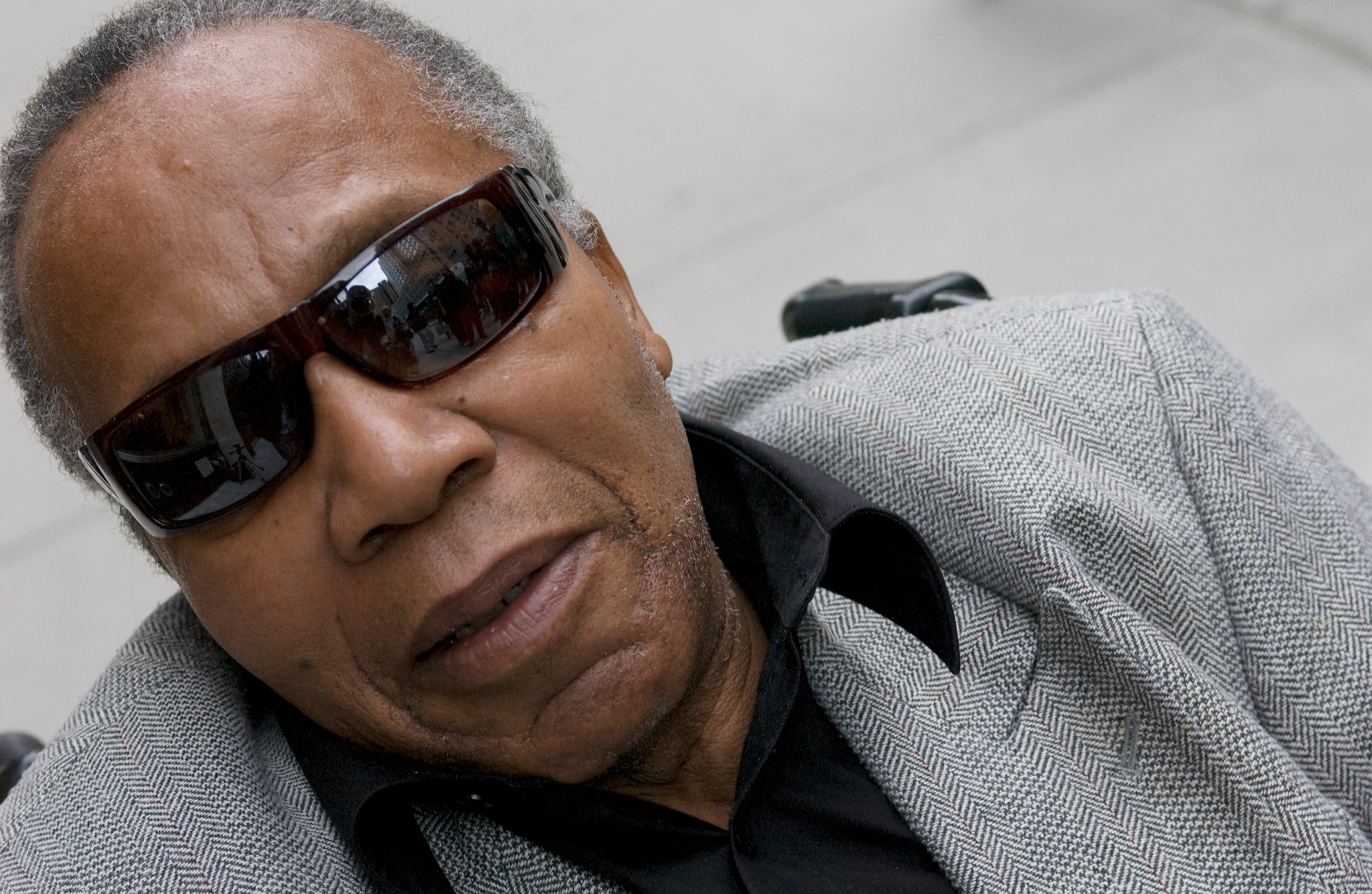
Frank Lucas (1930–2019) :
Harlem drug kingpin Frank Lucas broke the Mafia’s monopoly on heroin trafficking in the 1960s and ’70s. By sourcing drugs directly from Southeast Asia, he cut out the middlemen and maximized profits, earning an estimated $1 million a day at his peak.
Lucas flaunted his wealth but eventually fell in 1975 when police raided his home. Though sentenced to 70 years, he secured early release by cooperating with authorities. Later in life, Lucas expressed remorse for the destruction his empire caused. He died of natural causes in 2019.
Final Thoughts :
From Chicago’s bloody streets to Colombia’s jungles, mob bosses have left an indelible mark on history. While Hollywood continues to romanticize their power, the reality was one of corruption, brutality, and fear. These ten figures remain reminders of how deeply organized crime can shape entire societies—and how difficult it is to bring such figures to justice.